
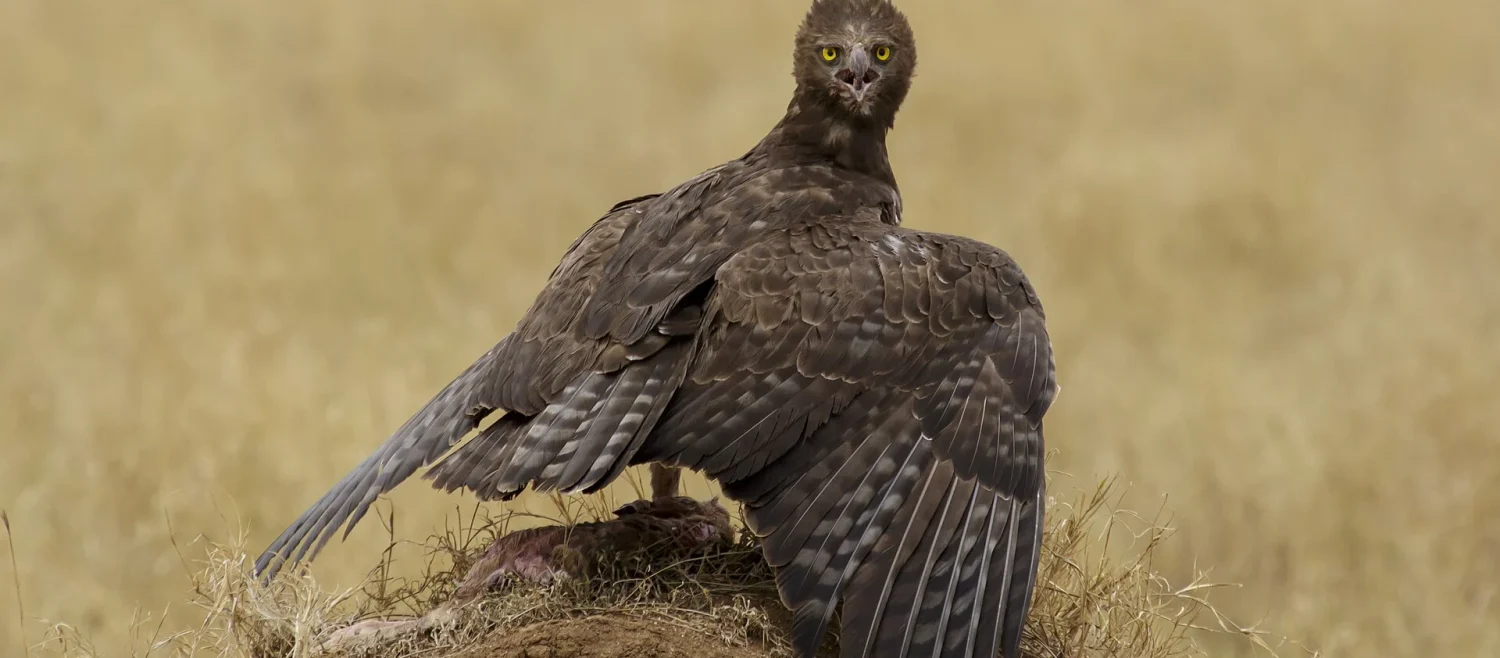
9 Days Serengeti Wildebeest Migration Safari (Tanzania)
Tanzania · Migration-focused Serengeti
No-obligation proposal with named lodges, included permits and a complete safari price.
Tour overview
Nine days dedicated to the Great Migration across Serengeti National Park — timed to follow roughly 1.5 million wildebeest, 200,000 zebra, and attendant predators through Tanzania's seasonal calendar. This is a migration-first itinerary, not a rushed Northern Circuit checklist.
Migration timing: southern Ndutu plains calving (January–March); western corridor Grumeti River crossings (May–July); northern Mara River drama (July–October); return south (November–December). Your sector (Ndutu, Seronera, Kogatende, or Lamai) is matched to travel month. Includes Ngorongoro Crater descent and Tarangire elephant country en route.
Places you visit
Key stops along this itinerary — customise dates and lodges when you enquire.
- Arusha / JRO (Start)
- Tarangire National Park
- Lake Manyara escarpment (en route)
- Serengeti National Park — migration sector
- Ngorongoro Crater
- Arusha / JRO (End)
Day-by-day itinerary
Arusha arrival — safari briefing
Pick-up at Kilimanjaro International Airport (JRO) or your Arusha hotel. Transfer to a lodge or city hotel for safari briefing — migration sector matched to your travel month, packing list, and camera advice for river-crossing photography.
Evening at leisure. Review the seasonal migration map with your guide — Ndutu calving (January–March), Grumeti crossings (May–July), or Mara River drama (July–October). Confirm early departure for Tarangire tomorrow.
 Day 1 | Accommodation
 Meal plan: Dinner
Arusha hotel or coffee-estate lodge
Arusha to Tarangire National Park — elephant prelude
Drive to Tarangire National Park (approx. 2–2.5 hours). Full-day game drive along the permanent river — elephant herds numbering hundreds in dry season, baobabs, lion, and leopard along the watercourse.

Safari activity | Tarangire full-day game drive
River-corridor elephant congregations and baobab landscapes — the Northern Circuit warm-up before Serengeti migration days.
Dry season (June–October) concentrates wildlife spectacularly — old elephant bulls with worn tusks, fringe-eared oryx on open plains, and 550+ bird species. Picnic lunch inside the park. Overnight near Tarangire or Karatu depending on tomorrow's Serengeti routing.
 Day 2 | AccommodationMeal plan: Breakfast, picnic lunch and dinner
Tarangire or Karatu lodge
Tarangire to Serengeti — sector matched to season
Long scenic drive via Lake Manyara escarpment and Ngorongoro highlands — stop at the Rift Valley viewpoint for photographs over the soda lake below. Enter Serengeti at Naabi Hill or Ndutu gate depending on migration position. Afternoon game drive on the plains as you orient to your assigned sector.
Your camp location (Ndutu, Seronera, Western Corridor, Kogatende or Lamai) was selected at booking to match the month — confirm with your guide which river crossings or calving grounds are active. First wildebeest columns may appear on the horizon; lion, cheetah and spotted hyena follow the herds.
Day 3 | AccommodationMeal plan: Picnic lunch and dinnerSerengeti migration camp
Full day tracking the migration — dawn to dusk
Dawn-to-dusk game drives in your assigned Serengeti sector. Your guide radios other vehicles and reads recent herd movements — wildebeest columns stretching to the horizon, river-crossing build-ups, cheetah on termite mounds, lion prides at kills.
Safari activity | Migration game drives
Full-day plains tracking — wildebeest herds, predator action, and Mara or Grumeti river drama when season and sector align.
July–October: northern Kogatende/Lamai for Mara River crossings.
January–March: southern Ndutu for calving and predator action on newborn wildebeest.
May–July: Western Corridor Grumeti River build-ups.
Picnic lunches on the plains. Evening return to camp as the sun sets over acacia silhouettes — one of Africa's most photographed safari moments.
Day 4 | AccommodationMeal plan: Full boardSerengeti migration camp
Second full migration day — river crossings or calving grounds
Repeat dawn departure — migration viewing improves with consecutive days as your guide learns herd patterns and radio network intelligence. Position for Mara River crossings (northern season) where crocodiles await wildebeest columns, or Ndutu calving concentrations (southern season) when thousands of calves are born daily.
Cheetah scan from termite mounds; spotted hyena and vultures at kills; elephant and giraffe on the margins of the herds. Golden jackal and bat-eared fox on the short-grass plains. Optional balloon safari at dawn on request (USD 550+ supplement, weather-dependent).
Your guide reads vulture activity and distant dust clouds for signs of predator kills or herd movement — patience often rewards the best migration photographs.
Activity duration: 10–11 hours game driving
Meals: Full board
Accommodation: Same migration camp
Third full migration day — predator territories
Final full Serengeti day before exiting toward the highlands. Focus on any missed crossings or predator territories — lion prides at kills, leopard in kopjes, and cheetah families when calving season brings easy prey on the Ndutu plains.
Morning and afternoon game drives with picnic lunch on the plains. Your guide maximises the last hours in your migration sector before the long transfer toward Ngorongoro tomorrow. Radio contact with other vehicles helps locate fresh kills and river-crossing build-ups.
Afternoon flexibility for a final sunset drive or early return to camp for a bush dinner under stars at mobile camps — a memorable farewell to the Serengeti.
Activity duration: 10–11 hours game driving
Meals: Full board
Accommodation: Same migration camp
Serengeti to Ngorongoro highlands — rim transfer
Morning drive exiting Serengeti through the Ngorongoro Conservation Area, ascending to Karatu or crater rim lodges. En-route game viewing on the highland fringes — buffalo, elephant and gazelle often visible as you leave the plains.
Afternoon at leisure at your highlands lodge. Rest after three intensive migration days; tomorrow is Ngorongoro crater day with black rhino and dense lion populations on the caldera floor.
Day 7 | AccommodationMeal plan: Breakfast, picnic lunch and dinnerKaratu or crater rim lodge
Ngorongoro Crater full day — Big Five in the caldera
Early descent into the Ngorongoro Crater — black rhino on Lerai Forest edge, hippo pools at Ngoitoktok Springs, flamingos on Lake Magadi when water levels suit, and dense lion populations across the crater floor. The caldera holds roughly 25,000 large mammals in 260 km².
Safari activity | Ngorongoro Crater descent
Six hours on the crater floor — rhino, elephant, lion and flamingo in the world's most concentrated wildlife caldera.
Six-hour crater-floor limit per park rules. Picnic lunch at a hippo pool overlook. Afternoon ascent to the rim and return to your lodge for a final safari sundowner over the Rift Valley.
Activity duration: 6 hours on crater floor
Meals: Breakfast, picnic lunch and dinner
Accommodation: Karatu or crater rim lodge
Return to Arusha — JRO departure
Breakfast and drive to Arusha or Kilimanjaro International Airport (approx. 3–4 hours from Karatu). Airport drop-off for onward flights to Zanzibar, Europe, or connections via Nairobi and Addis Ababa.
Stop at a Maasai market or cultural centre en route if time permits — your guide knows which stalls sell authentic beadwork versus imported souvenirs. Optional Arusha day room for late departures.
Day 9 | AccommodationMeal plan: Breakfast and lunchDeparture day
What's included
- Private 4×4 safari vehicle and professional guide
- Tarangire, Serengeti, and Ngorongoro Conservation Area fees (incl. crater service)
- 8 nights lodge/camp accommodation
- All meals as per itinerary
- Unlimited game drives during Serengeti days
- Bottled water in vehicle


What's not included
- Optional hot-air balloon over Serengeti (USD 550+)
- Maasai boma cultural fees
- Drinks, tips, visa and flights
- Travel insurance


Accommodation & comfort level
Mix of migration-season camps (Serengeti Under Canvas, Lemala, Asilia, or &Beyond) plus Karatu rim lodge. Exact properties depend on sector and month.
Request Pricing & booking information
Request Quote: Fill in the contact form below.
You may also like
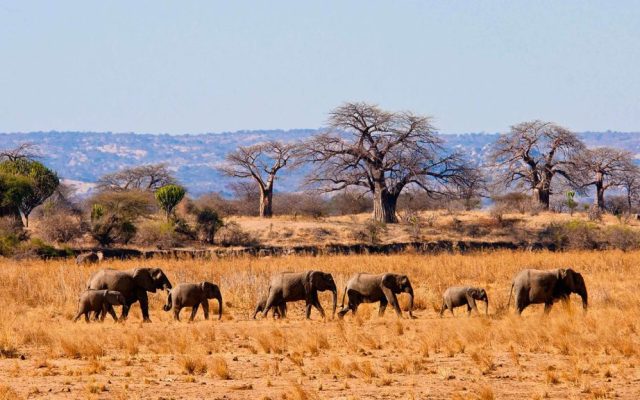
1 Day Tarangire National Park Safari (Tanzania)
Tarangire, Arusha or Moshi
Tarangire National Park is the elephant capital of northern Tanzania — in the dry season (June–October) herds numbering hundreds press against the permanent Tarangire River, dwarfing the iconic baobab…
8 Days Zanzibar Honeymoon Holiday
Abeid Amani Karume Airport, Zanzibar, Stone Town, Zanzibar, Spice plantation, North or east-coast beach lodge, Jozani-Chwaka Bay NP, ZNZ Airport
An 8-day Zanzibar honeymoon pairs UNESCO Stone Town culture with private beach time on Unguja's north or east coast — the classic Indian Ocean finale after a mainland safari or Kilimanjaro climb. Expe…
7 Days Zanzibar Island Holiday
Stone Town, Spice plantation, Jozani-Chwaka Bay, Paje, east coast, Nungwi / Kendwa, north coast, ZNZ Airport
A full 7-day Zanzibar island holiday — Stone Town, spice farms, Jozani forest, east-coast tides in Paje, and north-coast reef time. The complete Unguja circuit for travellers who want culture, nature,…