<h2 id="why-
ngorongoro-conservation-area-matters">Why
Ngorongoro Conservation Area matters
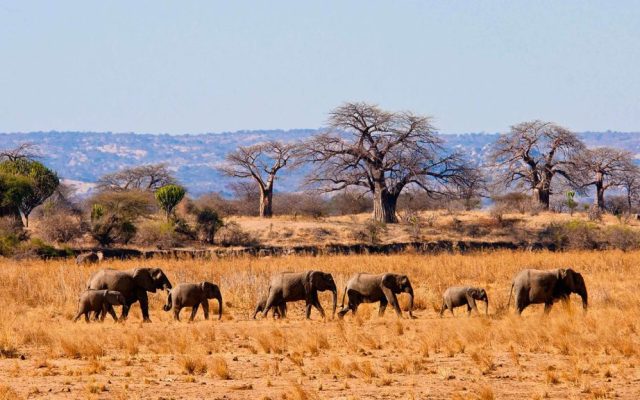
Most travelers photograph the crater floor in one morning. Conservationists see an 8,094-square-kilometre highland world where wildlife, pastoral people, archaeology, and migration dynamics intersect — a combination UNESCO recognised as globally irreplaceable. Understanding why the wider Conservation Area matters puts your crater fee in context.
UNESCO dual natural and cultural heritage
Inscribed for outstanding universal value under criteria covering natural beauty, biodiversity, and human cultural landscape, Ngorongoro is one of few sites where Maasai pastoralism is part of the designation — not an accident outside park borders. That dual status forces management to balance wildlife, tourism, livestock grazing, and archaeological protection simultaneously.
Crater ecology — density without fences
The caldera’s 25,000 large mammals and high predator concentrations function as a natural laboratory for competition, disease, and breeding — visible in one panorama. Black rhino persistence here is globally significant; losing even individuals impacts meta-population genetics across East Africa.
Short-grass plains on the Conservation Area–Serengeti border host calving seasons for wildebeest — fueling predator cascades that ripple into the crater and highlands. Fences would sever migration; NCA land-use planning aims to keep corridors open while managing settlement pressure.
Olduvai and human origins
Olduvai (Oldupai) Gorge documents millions of years of hominid evolution — tools, footprints, species transitions. The Conservation Area protects geology that rewrites anthropology textbooks. Tourism fees support site museums and ranger patrols against artefact looting.
Maasai land rights and carrying-capacity debate
Maasai communities grazed these highlands before colonial park design. Modern tensions — resettlement proposals, tourism growth, livestock limits — illustrate global challenges of indigenous rights vs fortress conservation. The Area’s importance includes being a live policy case study, not only a photo destination.
Watershed and highland forests
Ngorongoro highlands feed rivers reaching Lake Natron and Victoria basins. Forest patches on rim and Empakaai crater store water for dry-season wildlife and Maasai herds. Climate adaptation planning uses NCA as montane water tower for northern Tanzania.
Economic engine for northern Tanzania
Crater fees, lodge employment, and guiding careers sustain thousands of families in Karatu and Arusha. Economic importance makes political will for protection stronger than remote parks — though revenue must reach communities fairly to endure.
Threats requiring continued importance
- Human population growth on boundaries
- Vehicle congestion on crater floor
- Climate drought stressing grasslands
- Wildlife disease at high density
- Political pressure on Maasai residency
Importance is not permanence — it is responsibility.
Visitor role
Choose operators respecting crater timing rules, hire local guides, visit Olduvai ethically, and read beyond crater checklists. Pair with what makes Ngorongoro unique and lodging choices that fund community partnerships.
Ngorongoro Conservation Area is important because it holds Africa’s crater, humanity’s deep past, and tomorrow’s land-use arguments in one landscape — worth far more than a single morning game drive.
Livestock and wildlife coexistence debates
Maasai pastoralists graze cattle inside NCA under multiple land-use designation — unique among UNESCO sites. Carrying-capacity studies, settlement policies, and tourism growth create ongoing policy tension documented globally. Visitors witness coexistence arguments firsthand — not abstract conservation theory.
Empakaai and lesser-known craters
Empakaai Crater lake hikes diversify beyond main caldera checklist — flamingos, buffalo, and forest on rim trails. Olmoti and other volcanic features spread biodiversity beyond tourist-heavy floor — importance extends past single morning descent statistics.
Archaeological sites beyond Olduvai
Laetoli footprints and multiple gorge sites document hominin evolution — tourism fees fund museum curation and local education programmes. Students worldwide study NCA as open-air laboratory where human origins and modern wildlife policy intersect geographically.
Research and monitoring programmes
Long-term lion and rhino studies inside crater inform global carnivore management — tourism revenue funds telemetry and vet interventions. NCAA collaborates with international universities — visitors indirectly support science through permit fees beyond casual sightseeing value.
Empakaai flamingo populations
Lesser flamingos seasonally colour Empakaai crater lake — secondary attraction diversifying NCA importance beyond main caldera checklist tourism and spreading visitor pressure geographically.
Short-grass plains wildebeest nursery
Calving on NCA–Serengeti border sustains migration population — losing this grassland to agriculture would collapse herd recruitment upstream of famous river drama.
NCA boundary enforcement prevents agricultural encroachment into caldera rim forest — watershed protection downstream benefits millions beyond tourism economy alone.