How Toro-Semliki Wildlife Reserve Fits into Uganda Safari Itineraries
Short Focused Visit
Use Toro-Semliki Wildlife Reserve as a meaningful short stop when it sits naturally on your route.
Half-Day or Full-Day Extension
Give the destination more time when interpretation, boat logistics, hiking, birding, culture, or conservation education is important.
Regional Cluster Route
Combine it with the nearby destinations listed below to build a stronger regional travel story.
For route planning, Toro-Semliki Wildlife Reserve works well with Semuliki National Park and Fort Portal.
Overview of Toro-Semliki Wildlife Reserve
Toro-Semliki covers about 542 sq km and was first gazetted in 1926 to protect Uganda kob. Its setting is exceptional: Lake Albert, the Kijura escarpment, the Rwenzoris, and distant Blue Mountains frame the reserve.
Habitats include acacia-combretum woodland, grassy savannah, Borassus palms, riparian woodland, and swamps toward Lake Albert. This mix supports savannah wildlife, primates, and some of Uganda's best birding.
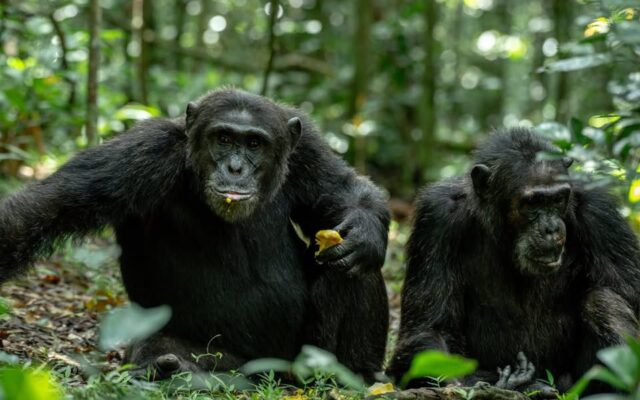
The reserve is notable for chimpanzees studied in a drier, more open habitat than classic rainforest sites, plus Lake Albert boat trips where shoebill searches are possible.
In-Depth Guide to Toro-Semliki Wildlife Reserve
Why This Destination Matters
Toro-Semliki covers about 542 sq km and was first gazetted in 1926 to protect Uganda kob. Its setting is exceptional: Lake Albert, the Kijura escarpment, the Rwenzoris, and distant Blue Mountains frame the reserve.
Habitats include acacia-combretum woodland, grassy savannah, Borassus palms, riparian woodland, and swamps toward Lake Albert. This mix supports savannah wildlife, primates, and some of Uganda's best birding.
How to Visit Well
The reserve is notable for chimpanzees studied in a drier, more open habitat than classic rainforest sites, plus Lake Albert boat trips where shoebill searches are possible.
Plan the visit with enough time for interpretation, photography, local etiquette, and nearby route logic. The best experience comes from treating this destination as a specific place with its own story, not as a generic stopover.
Why Visit Toro-Semliki Wildlife Reserve?
Why This Destination Matters
Toro-Semliki covers about 542 sq km and was first gazetted in 1926 to protect Uganda kob. Its setting is exceptional: Lake Albert, the Kijura escarpment, the Rwenzoris, and distant Blue Mountains frame the reserve. Habitats include acacia-combretum woodland, grassy savannah, Borassus palms, riparian woodland, and swamps toward Lake Albert. This mix supports savannah wildlife, primates, and some of Uganda's best birding.
How to Visit Well
The reserve is notable for chimpanzees studied in a drier, more open habitat than classic rainforest sites, plus Lake Albert boat trips where shoebill searches are possible. Plan the visit with enough time for interpretation, photography, local etiquette, and nearby route logic. The best experience comes from treating this destination as a specific place with its own story, not as a generic stopover.
A strong nearby pairing for Toro-Semliki Wildlife Reserve based on geography, route logic, or shared travel theme. See Semuliki National Park for route ideas.
A strong nearby pairing for Toro-Semliki Wildlife Reserve based on geography, route logic, or shared travel theme.
A strong nearby pairing for Toro-Semliki Wildlife Reserve based on geography, route logic, or shared travel theme.
Continue planning Toro-Semliki Wildlife Reserve with Toro-Semliki Wildlife Reserve wildlife, Toro-Semliki Wildlife Reserve bird watching, Toro-Semliki Wildlife Reserve best time to visit, and Toro-Semliki Wildlife Reserve getting there, or read the main Toro-Semliki Wildlife Reserve destination guide.
Top Things to Do in Toro-Semliki Wildlife Reserve
Why This Destination Matters
Toro-Semliki covers about 542 sq km and was first gazetted in 1926 to protect Uganda kob. Its setting is exceptional: Lake Albert, the Kijura escarpment, the Rwenzoris, and distant Blue Mountains frame the reserve. Habitats include acacia-combretum woodland, grassy savannah, Borassus palms, riparian woodland, and swamps toward Lake Albert. This mix supports savannah wildlife, primates, and some of Uganda's best birding.
How to Visit Well
The reserve is notable for chimpanzees studied in a drier, more open habitat than classic rainforest sites, plus Lake Albert boat trips where shoebill searches are possible. Plan the visit with enough time for interpretation, photography, local etiquette, and nearby route logic. The best experience comes from treating this destination as a specific place with its own story, not as a generic stopover.
Short Focused Visit
Use Toro-Semliki Wildlife Reserve as a meaningful short stop when it sits naturally on your route.
Half-Day or Full-Day Extension
Give the destination more time when interpretation, boat logistics, hiking, birding, culture, or conservation education is important.