Tarangire National Park — questions travellers ask before booking
Tarangire National Park is a TANAPA-managed reserve of roughly 2,850 km² in northern Tanzania's Manyara Region — Tanzania's sixth-largest national park and the southern anchor of the Northern Circuit. It is famous for dry-season elephant super-abundance along the permanent Tarangire River, ancient baobab landscapes, 550+ bird species, and African wild dog sightings — typically visited for one to two nights between Arusha and Lake Manyara on the road toward Ngorongoro Crater.
Section detail: wildlife, bird watching, best time to visit, getting there.
Worth including on a Tanzania safari?
For elephant viewing, baobab photography, dry-country birding, and a less crowded alternative to peak Serengeti pressure — absolutely. Tarangire compresses wildlife drama along a permanent river in a park explorable thoroughly within one to two days. Travellers skipping straight from Arusha to Ngorongoro save time but miss Africa's most reliable large-elephant theatre. Most seven-day Northern Circuit itineraries include Tarangire without question.
Elephants — realistic expectations
Tarangire's dry-season elephant concentrations (June–October) are among Africa's finest — herds of 100–300 along the river are common in peak months. Green-season visitors see fewer and more dispersed animals as wildlife leaves the park for outer ecosystem grazing. Plan July–October for maximum elephant drama; November–April for birding and lush scenery accepting moderate mammal density.
Days, drives, and sample rhythm
One to two nights covers river and baobab circuits thoroughly. Typical rhythm: afternoon arrival and sunset baobab drive, full-day river and swamp game drive, morning drive before transfer toward Manyara or Ngorongoro. Day trips from Arusha are possible but sacrifice dawn elephant activity.
Big Five status
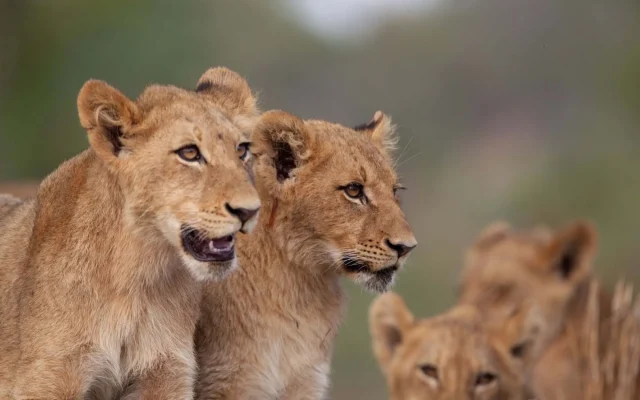
Lions, leopards, elephants, and buffalo occur reliably. Rhinoceros are absent from Tarangire — seek rhino at Ngorongoro Crater on the same Northern Circuit. Tarangire excels as an elephant and baobab destination rather than a standalone Big Five checklist park.
TANAPA fees and operators
Tanzania National Parks Authority collects gate fees for visitors and vehicles. Licensed operators typically include fees in packages. Verify current non-resident rates before travel. Standard entry is valid 24 hours from time of entry under TANAPA rules.
Combining with other destinations
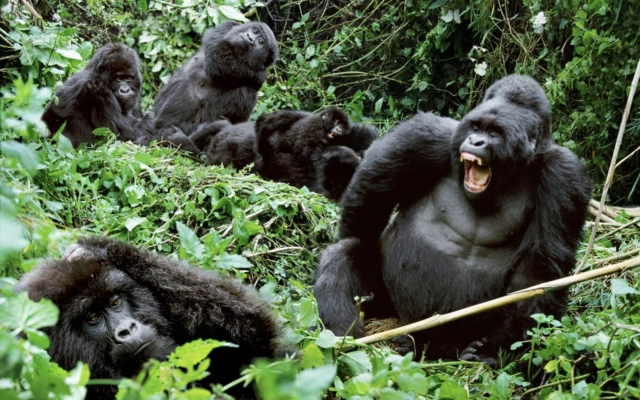
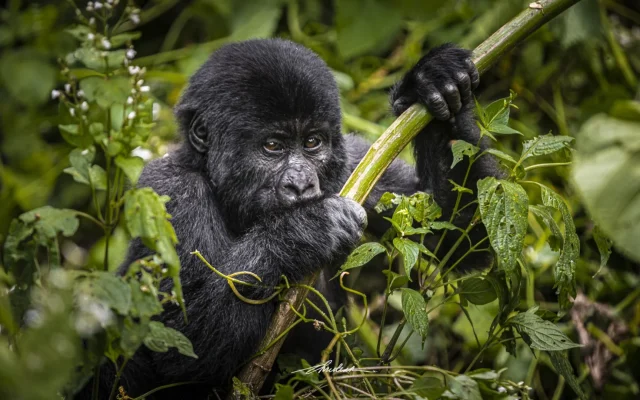
Natural pairings include Lake Manyara (Rift Valley lake and forest), Ngorongoro (caldera Big Five), Serengeti National Park (migration plains), Zanzibar (beach extensions), and gorilla trekking at Bwindi or Volcanoes on Uganda–Tanzania combinations.
Accommodation tiers
River-facing tented camps inside and bordering the park suit photographers wanting dawn elephant drives. Conservancy lodges may offer walking safaris and night drives beyond standard park-hour restrictions. Book ahead for June–October peak dry season.
Birding and non-mammal interests
With 550+ species, Tarangire rewards birders on the same drive as elephant-focused travellers. Yellow-collared lovebird, ashy starling, and diverse raptors build substantial lists in a single morning.
Where to read next
Wildlife and game drives: Tarangire wildlife.
Birding: bird watching.
Seasons: best time to visit Tarangire.
Access: getting to Tarangire.
Main guide: Tarangire National Park destination guide.