Overview of Ngorongoro Crater
Ngorongoro Crater is the spectacular centrepiece of the Ngorongoro Conservation Area (NCA) — approximately 8,292 km² of highland plains, savanna woodlands, and forests in northern Tanzania managed by the Ngorongoro Conservation Area Authority (NCAA). UNESCO inscribed the NCA in 1979 under natural criteria recognising the world's largest unbroken caldera, exceptional wildlife densities, and the annual migration of wildebeest, zebra, and gazelles across the wider Serengeti–NCA ecosystem. In 2010, UNESCO extended designation to a Mixed Site, adding cultural criterion for Olduvai Gorge and Laetoli — among the most important palaeontological records of human evolution.
The crater floor covers roughly 260 km² within walls plunging about 610 metres — formed when a massive volcano collapsed roughly 2.5 million years ago. NCAA cites more than 25,000 large mammals on the floor, including the Big Five, with black rhino among the most conservation-critical. The NCA's pioneering 1959 multiple land-use model allows Maasai pastoralists to graze livestock alongside wildlife — a coexistence framework UNESCO monitors as tourism and demographic pressures evolve.
The crater lies west of Arusha (~180 km), adjoins Serengeti National Park at Naabi Hill without fences blocking migration corridors, and pairs naturally with Lake Manyara and Tarangire on standard Northern Circuit loops.
Why Visit Ngorongoro Crater?
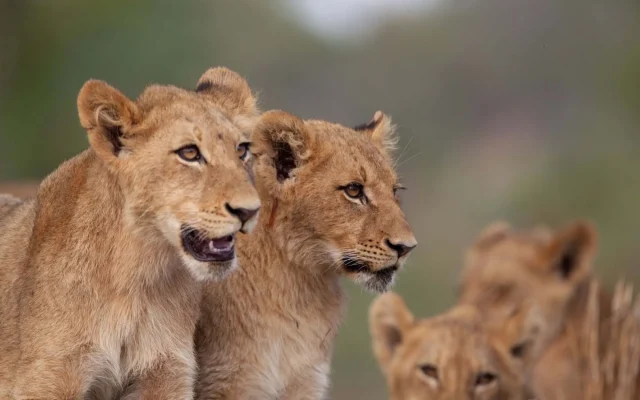
Big Five reliability — especially black rhino — geological drama, wildlife density in a compact caldera, and rim photography draw travelers from every continent. Where Serengeti rewards patience across endless plains, Ngorongoro compresses encounters into a single descent: lion prides, Lerai elephants, Magadi flamingos, and hyena clans within hours. Olduvai Gorge adds human origins depth unique among safari destinations.
NCAA vs TANAPA
Unlike TANAPA national parks, the NCA integrates Maasai land use, crater descent fees, and community coexistence mandates. Park fees at Tarangire, Manyara, and Serengeti are separate from NCAA conservation and crater service charges — operators itemise both on Northern Circuit quotes.
Combines with Gorilla Trekking
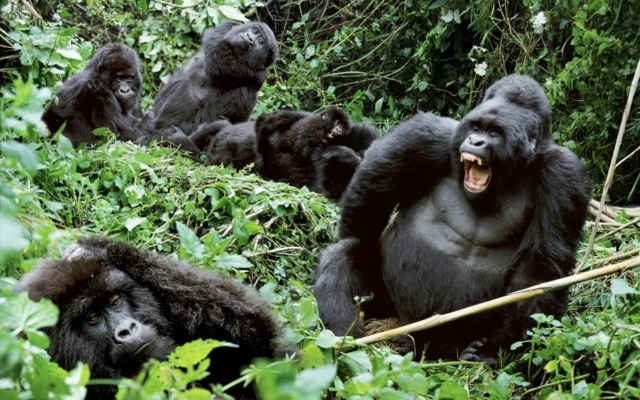
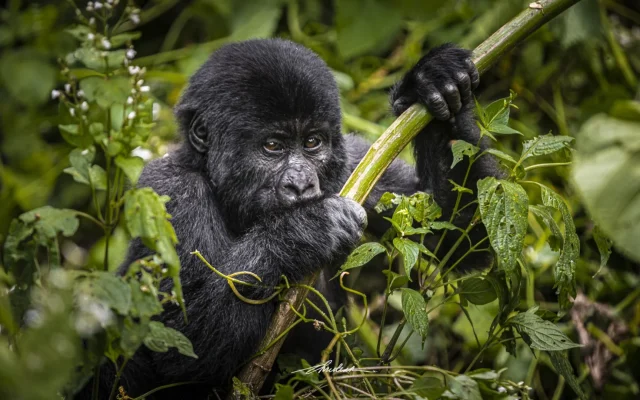
Mountain gorillas do not live in Tanzania. Travelers wanting savannah and gorillas combine Ngorongoro safaris with Bwindi Impenetrable National Park in Uganda or Volcanoes National Park in Rwanda — regional flights connect when permits and dates align.
Ndutu & Migration Context
January–March wildebeest calving at Ndutu within the NCA is among the migration's most intense predator spectacles — often combined with crater visits on the same itinerary. July–October Mara River drama unfolds in northern Serengeti and Maasai Mara, reachable after crater days via Naabi Hill.
Continue planning Ngorongoro Crater with Ngorongoro Crater wildlife, Ngorongoro Crater bird watching, Ngorongoro Crater best time to visit, and Ngorongoro Crater getting there, or read the main Ngorongoro Crater destination guide.