Mount Kilimanjaro — questions travelers ask before booking
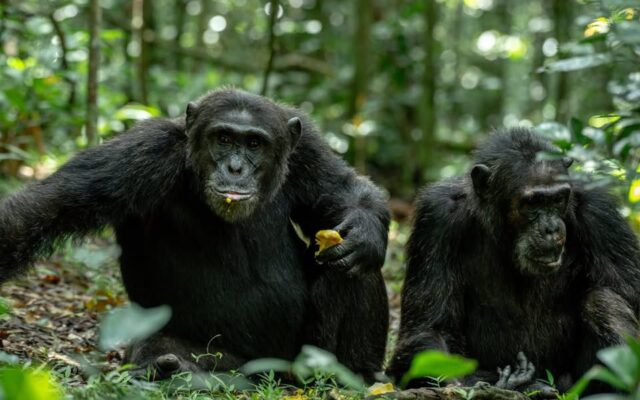
Mount Kilimanjaro is Africa's highest mountain and a non-technical trekking peak administered by TANAPA within Kilimanjaro National Park. The summit — Uhuru Peak at 5,895 m on Kibo's crater rim — is reached via multi-day routes (Marangu, Machame, Lemosho, Rongai, Umbwe, Northern Circuit) with mandatory guide and porter teams. It is not a wildlife safari like Serengeti or Ngorongoro, though lower slopes hold montane forest mammals and exceptional afro-alpine plants.
Climb vs safari expectations
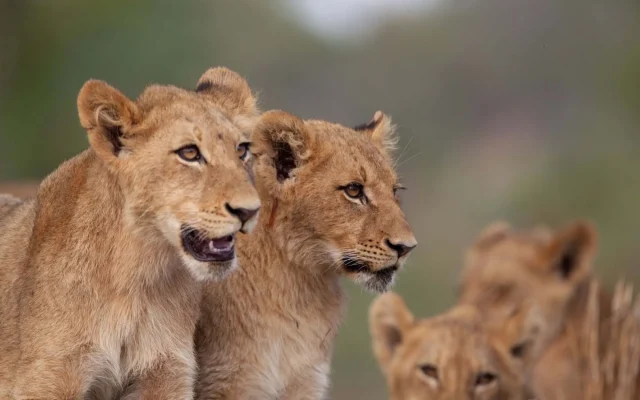
Trekkers come for altitude challenge, ecological zones, and summit sunrise — not lion prides. Wildlife appears incidentally in rainforest (monkeys, bushbuck) and vanishes above moorland. Pair the mountain with northern circuit safaris or Amboseli photography for complete East Africa experiences.
Routes, gates, and TANAPA rules
TANAPA recognizes multiple ascending routes and Mweka as the standard descent for most lines except Marangu. Machame is the most popular (~40% of climbers per park statistics); Lemosho offers superior acclimatization; Marangu is the only hut route. Minimum five days round trip is required; seven- and eight-day itineraries improve summit odds. KINAPA appears in older literature — management is under TANAPA today.
Altitude and acclimatization
Acute mountain sickness is the primary risk — not wildlife or technical falls on standard routes. "Climb high, sleep low" days on Machame and Lemosho help. Summit night from Barafu or Kibo Hut demands slow pacing (pole pole), hydration, and warm layers. Diamox is discussed with travel clinicians but does not replace gradual ascent.
Seasons and gear
Best trekking windows: January–March and June–October. Rainy seasons (March–May, November) operate with mud and cloud trade-offs. Pack for sub-zero summit temperatures regardless of Moshi's tropical warmth at the trailhead.
Gateways and access
Fly JRO, overnight Moshi or Arusha, transfer to your route gate. Operators handle park fees and crew. See getting there for gate detail.
Costs, tips, and operator choice
Climb prices vary by route days, group size, and operator ethics. Budget quotes may cut acclimatization days or porter welfare — verify KPAP-partner status, guide ratios, oxygen protocols, and tipping guidance. Tips form a significant portion of crew income.
Multi-country planning from Uganda
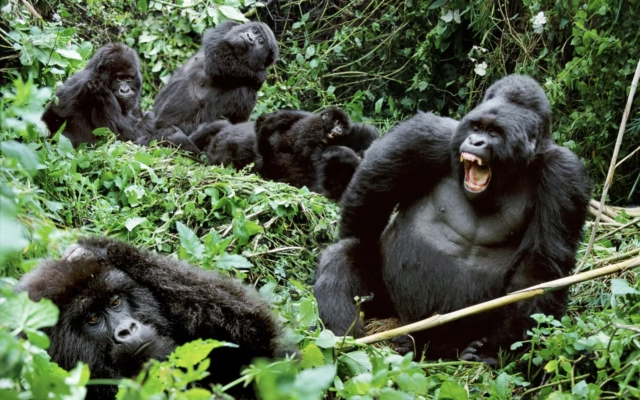
Many Uganda safari travelers add Kilimanjaro via Nairobi or JRO connections after Bwindi or Volcanoes gorilla trekking. Allow rest days between primate exertion and altitude ascent. Cross-border visas and flight timing need operator coordination.
Where to read next
Ecology: Mount Kilimanjaro wildlife.
Birding: bird watching on Kilimanjaro.
Seasons: best time to visit Kilimanjaro.
Access: how to get to Mount Kilimanjaro.
The main Mount Kilimanjaro destination guide covers routes, Uhuru Peak, and northern safari combinations in depth.