How to get to Lake Victoria Islands
Most Uganda safaris begin at Entebbe International Airport (EBB). From there, Lake Victoria Islands are reachable by scheduled boat, ferry, and guided lake transfer — which is exactly why island tourism fits arrival day, departure day, or a deliberate multi-night extension before inland drives to Bwindi, Kibale, or Murchison Falls. The journey is not complicated, but it is not a single highway exit either: each island cluster has its own landing, timetable, and operator logic.
Ngamba Island from Entebbe
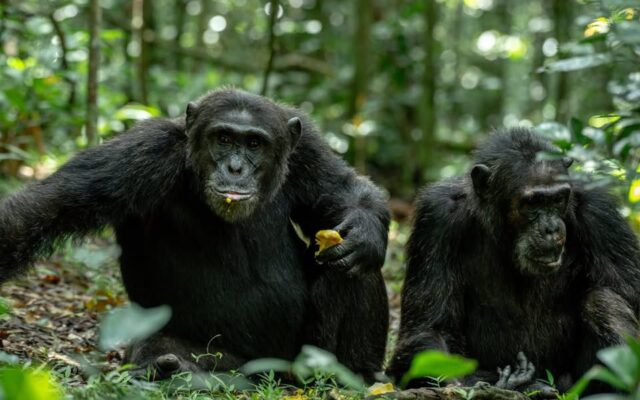
Ngamba Island Chimpanzee Sanctuary is the most structured island visit near the airport. Boats depart from designated Entebbe jetties on published schedules — half-day, full-day, and sometimes overnight options depending on current operations. Organized tours normally include jetty transfer, boat seat, sanctuary entry, and keeper interpretation in one plan, which saves negotiation time for visitors on tight schedules.
Allow roughly half a day minimum from an Entebbe hotel: hotel-to-jetty transfer, crossing time, sanctuary program, and return. The lake leg itself may take around 45–90 minutes each way depending on boat type and conditions — confirm current timings when booking. Life jackets should be used when provided; keep electronics in a dry bag.
Staying overnight in Entebbe is the most practical base for Ngamba. You avoid Kampala traffic, start earlier, and keep airport buffers manageable if the sanctuary sits on your last day before a flight. See Entebbe Botanical Gardens for a natural second stop on the same trip.
Ssese Islands: Entebbe–Lutoboka ferry
The Ssese Islands archipelago — coterminous with Kalangala District, with Bugala the largest island — is commonly reached by ferry from Entebbe to Lutoboka on Bugala's northern shore. This route suits travelers already based on the airport peninsula who want a direct lake approach without driving southwest first.
Ferry timetables change seasonally and with operator updates; confirm departure days and boarding times before you lock the rest of your Uganda route. Overnight ferries can function as both transport and accommodation — a memorable Lake Victoria experience when you embrace slower travel. Arrive at the jetty early, carry snacks and water, and protect documents from spray.
Ssese Islands: Bukakata–Bugoma route
Travelers routing through the southwest often use the Bukakata–Bugoma vehicle ferry on the Masaka axis — road to the mainland landing, short ferry hop, then island roads on Bugala. This pairing works well when you are already moving between Kampala, Lake Mburo, or Masaka-area services and want the Ssese Islands without backtracking to Entebbe.
Allow realistic road time to Bukakata plus ferry waiting and crossing. Mainland tracks can slow after rain; high-clearance vehicles help on island roads. Build the itinerary around ferry hours — not the other way around — especially if you are continuing west after Ssese nights.
From Kampala
Day trips to Ngamba Island from Kampala are possible but demand an early departure. City traffic can consume the very hours that boat schedules require. Many Kampala-based travelers underestimate congestion before they reach Entebbe jetties.
For Ssese access via Bukakata, Kampala is a logical start point — drive southwest toward Masaka rather than toward the airport. Allow a full travel day when ferry connections and island road transfers are included. Sleeping one night on Bugala is usually wiser than attempting a same-day return from Kampala unless schedules align perfectly.
Self-arranged vs guided island travel
Independent travelers can reach mainland landings and board public ferries, then hire local transport on Bugala. That works for experienced visitors who know current timetables and carry cash for island services. First-time visitors, families, and photographers on tight timelines usually prefer pre-arranged guided travel from Entebbe or Kampala — especially for Ngamba, where sanctuary boats and entry are bundled.
Guided arrangements help with timetable changes, language, life-jacket briefing, and matching your interest level — casual relaxation versus serious birding. They also reduce the risk of missing the only ferry of the day or arriving at a jetty without confirmed boarding.
Smaller islands and boat excursions
Beyond Ngamba and the main Ssese ferry routes, local boats run between inhabited islands for fishing, markets, and tourism excursions. These are typically arranged on site through lodges or local operators rather than from abroad. Weather, fuel, and daylight determine what is possible; flexible plans beat rigid checklists.
Rocky islets and private retreats exist across the lake; access is operator-specific. Ethical travel means using licensed boats, wearing flotation devices, and avoiding overloaded vessels — Lake Victoria is a working fishery, not a theme-park lagoon.
Combining transport with other lake sites
Logical same-day or adjacent-day pairings from Entebbe include Mabamba Swamp wetland mornings, Entebbe Botanical Gardens, and Lutembe Bay Wetland birding. Each has different timing rules — Ngamba boats run on schedules, Mabamba is flexible but morning-biased, and Ssese ferries may be overnight. Build the itinerary around the fixed departure, not the other way around.
Longer safaris often route island time before a drive west toward Lake Mburo or southwest toward gorilla parks. Treat Ngamba or a Ssese ferry leg as a dedicated block; stacking it against an afternoon ten-hour transfer rarely works well.
Practical checklist before you go
Confirm pickup time and jetty location the night before, especially from Kampala. Keep travel documents in a dry pouch. Bring small cash for tips, island snacks, and community services. Share your flight time with your operator if Ngamba is a pre-departure activity; airport security and Entebbe road traffic need a conservative buffer.
Seasonal access notes and month-by-month timing are on our Lake Victoria Islands best time to visit page. Species and ecology context sit on wildlife and bird watching.