Wildlife at Lake Bogoria
Lake Bogoria wildlife thrives at chemical extremes — a shallow alkaline soda lake in Baringo County where hot-spring inflows, high evaporation, and salinity levels support Arthrospira fusiformis algae that sustain lesser flamingo flocks among Africa's largest congregations. Protected within Lake Bogoria National Reserve since 1973, the lake is a Ramsar wetland where wildlife viewing focuses on shoreline game drives rather than boat access.
Lesser Flamingos — The Defining Species
Lesser flamingos (Phoeniconaias minor) filter-feed on blue-green algae along alkaline margins, gathering in synchronised flocks that can carpet kilometres of shoreline in pink. Bogoria is widely regarded as Kenya's most consistently productive flamingo lake when conditions at Lake Nakuru or Elementaita fluctuate. Flock sizes vary with regional lake chemistry — build flexibility into photography plans while recognising geothermal scenery justifies every visit regardless of flamingo magnitude.
Greater Flamingos & Waterbirds
Greater flamingos occur in smaller numbers, adding size contrast in mixed congregations. Great white pelicans, pink-backed pelicans, cormorants, storks, and African fish eagles work productive shoreline zones where freshwater seeps meet alkaline water. Kesubo Swamp to the north adds wetland habitat diversity beyond open lake margins.
Terrestrial Mammals
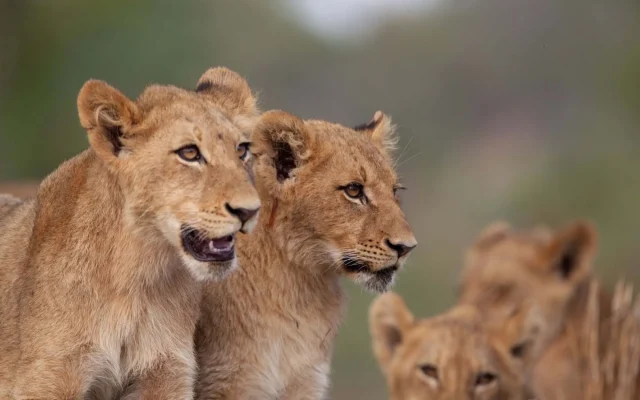
Bogoria is not a Big Five destination. Greater kudu inhabit Siracho Escarpment woodland; impalas, plains zebras, warthogs, and dik-dik graze grassland margins. Leopards occur but are rarely seen. Travellers seeking rhino, lion, and dense mammal viewing should include Lake Nakuru National Park or the Maasai Mara on the same Kenya circuit.
Geothermal Margins & Extremophiles
More than 200 hot springs and at least ten active geysers line the western shore — erupting periodically up to five metres high. Boiling pools exceeding 90°C support specialised microbial communities studied for biotechnology. These margins are wildlife viewing zones of a different kind — geological spectacle where only adapted life persists.
Game Drive Zones
- Western shoreline tracks — flamingo congregations and geyser viewpoints
- Hot-spring margins — geothermal features and mineral-crust photography
- Kesubo Swamp approaches — wetland birds and freshwater-inflow species
- Siracho Escarpment viewpoints — kudu habitat and panoramic lake vistas
Wildlife Viewing Tips
- Plan dawn drives for active flamingo feeding and soft Rift Valley light
- Follow guide instructions near boiling hot springs — never test water temperature
- Build flexibility for flamingo positions — flocks shift with wind and feeding activity
- Pair Bogoria mornings with Lake Baringo afternoon boat trips from a shared lodge base
- Add Lake Nakuru for rhino and cat viewing on southbound Rift Valley routes
Pair Lake Bogoria with Lake Baringo for freshwater boat culture, Lake Nakuru for rhino sanctuary safaris, or Lake Naivasha for hippo boat trips on comprehensive Rift Valley lake circuits from Nairobi.
Continue planning Lake Bogoria with Lake Bogoria bird watching, Lake Bogoria best time to visit, and Lake Bogoria getting there, or read the main Lake Bogoria destination guide.