Entebbe — questions travelers ask before booking
Entebbe occupies a specific niche in Uganda travel: the country's main international airport town on Lake Victoria, where wetland birding, botanical gardens, wildlife education, and island sanctuaries sit minutes to an hour from your hotel. It is not a multi-night savannah park. Understanding that distinction upfront prevents the common mismatch — expecting big-game drives in town, then overlooking the shoebill morning that makes Entebbe world-famous.
The town works best when treated as a purposeful arrival, departure, or short-stay base — one to three nights — pairing Mabamba Swamp, Entebbe Botanical Gardens, Uganda Wildlife Education Centre, or Ngamba Island before inland parks such as Bwindi or Queen Elizabeth.
Airport logistics and how long to stay
Most visitors allow at least one Entebbe night on arrival or before departure to absorb jet lag, clear immigration calmly, and catch an early Mabamba or gardens session. Two nights allow Mabamba plus a second activity without rushing an afternoon transfer. Same-day Mabamba after a long-haul arrival is possible only with early landing, fast immigration, and acceptance that fatigue may shorten the birding window.
Entebbe hotels range from airport transit lodges to lakeside boutique stays. Book peak-season and holiday weeks early; the peninsula fills when European and regional travel peaks.
Shoebills, gardens, and what to prioritize
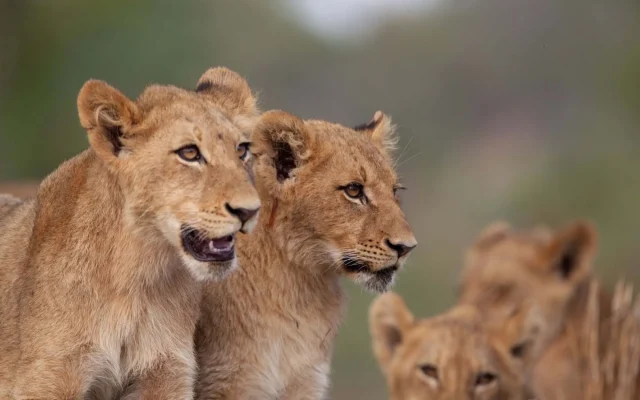
Mabamba Swamp is the priority for shoebill seekers — community canoe guides, papyrus channels, half-day minimum. Entebbe Botanical Gardens suits turacos, hornbills, and relaxed walking without a boat. UWEC fits families wanting rescued lions, chimps, and giraffes in an education setting. Ngamba Island needs scheduled boats. You cannot do all four perfectly in one morning; rank by interest and start times.
Safety, health, and practical travel
Entebbe is commonly used by international safari travelers. Use reputable operators for Mabamba boats, wear life jackets when provided, keep valuables dry, and allow buffer time for airport runs on the Kampala–Entebbe corridor. Malaria precautions apply as elsewhere in Uganda; consult your health adviser before travel.
Conservation pressure on nearby wetlands includes fishing, invasive vegetation, and shoreline development. Tourism helps when it employs local guides and respects distance around shoebills. Avoid litter and do not feed monkeys in the gardens.
Where to read next
Species and ecology: Entebbe wildlife.
Bird lists and shoebill routing: Entebbe bird watching.
Seasons and months: best time for Entebbe.
Airport and road access: how to get to Entebbe.
Combining Entebbe with longer Uganda routes
Entebbe pairs logically with southwest gorilla circuits (Bwindi, Mgahinga), western chimp forests (Kibale via Fort Portal), and northern savannah (Murchison Falls via Ziwa Rhino Sanctuary). Treat wetland and garden mornings as fixed blocks before committing to ten-hour transfer days — fatigue after long-haul flights makes over-stacked arrival days fail in practice.
Airport hotels versus peninsula lodges
Entebbe accommodation clusters split between airport transit strip and older lakeside peninsula — Mabamba operators may prefer one pickup zone over another. Confirm hotel location when booking wetland tours; ten minutes of peninsula geography saves thirty minutes of morning confusion. Lakeside properties reward sunset walkers; airport strip properties reward 4 a.m. departure efficiency.
The main Entebbe destination guide covers the full hub overview, nearby combinations, and safari planning context.