Best time to visit Bugungu Wildlife Reserve
Bugungu Wildlife Reserve planning ties closely to Murchison Falls National Park seasons — most visitors explore Bugungu on extension drives from Paraa lodges or when routing between Murchison and Lake Albert Region viewpoints near Pakwach.
Bugungu does not operate on a separate permit calendar like gorilla trekking — your Murchison lodge nights and drive scheduling determine when escarpment extensions fit. Dry-season road quality and mammal visibility on shorter grass are the main seasonal variables.
Dry season vs rainy season
Drier windows — roughly June to September and December to February — simplify escarpment tracks and combine well with peak Murchison game viewing. Grass may be shorter in dry periods, improving mammal visibility on savannah patches.
Rainy months — March to May and October to November — bring greener scenery and bird activity after showers but may slow reserve-side roads. Flexible scheduling between Murchison boat cruises and Bugungu drives helps in wet weeks.
Escarpment mud after heavy rain can delay Bugungu extensions — build buffer between boat departures and afternoon escarpment drives rather than stacking fixed-time activities back-to-back.
Time of day
Early morning and late afternoon suit wildlife, birds, and photography on escarpment slopes. Midday heat reduces activity and comfort on open drives — align Bugungu extensions with Paraa morning or evening game blocks rather than midday transit only.
Sunrise and sunset light on Lake Albert margins produces strong landscape photography — photographers often request late-afternoon Bugungu drives specifically for escarpment glow rather than mammal counts alone.
Murchison itinerary fit
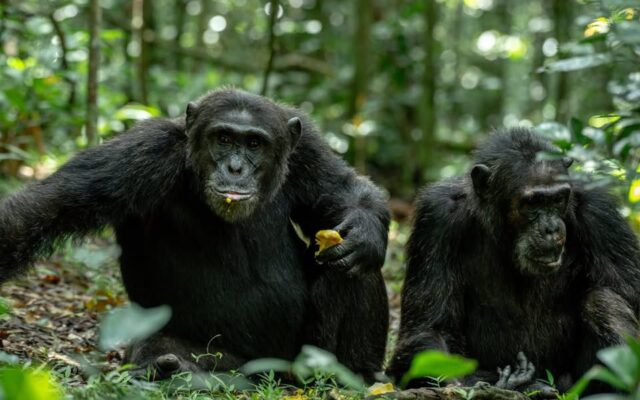
Bugungu fits multi-night Murchison stays when travelers want variety beyond repeated Paraa loops — one day delta shoebill, one day Bugungu escarpment, one day Budongo Forest chimps on departure. Dry-season lodge demand peaks June–August and December–January; book early.
Single-night Murchison visitors rarely justify Bugungu unless escarpment scenery is a stated priority — two or more lodge nights create the scheduling space for meaningful extension drives.
Combining with Lake Albert and Pakwach routing
Travelers looping toward Pakwach or northern Lake Albert viewpoints may sequence Bugungu when departure direction allows — confirm same-day feasibility with guides because ferry crossings and track conditions constrain tight schedules.
Photography and landscape priorities
Landscape photographers often prefer late-afternoon Bugungu drives when escarpment light falls across Lake Albert — mammal counts matter less than cloud texture and rift silhouettes. Wet-season greens and storm clouds add drama; dry-season clarity suits distant rift panoramas.
Pairing with Budongo and delta activities
Multi-night Murchison planners should slot Bugungu after core delta shoebill and Paraa priorities — not on arrival afternoon when ferry queues and lodge check-in compress schedules. Budongo Forest chimps fit departure mornings; Bugungu fits spare drive windows between boat cruises and evening game blocks.
Month-by-month snapshot
January–February: Drier, strong savannah viewing, popular travel window.
March–May: Rainier; flexible drive planning.
June–August: Peak safari season; book Murchison and extensions early.
September–November: Transition and second rains possible.
December: Holiday demand on northern routes.
Pair with wildlife and getting there.
Holiday and school-break demand
Christmas, Easter, and Ugandan school holidays increase Murchison lodge occupancy — book Paraa nights and Bugungu extension drives when confirming northern Uganda dates, not after arrival when activity desks are fully booked.
Rain-day alternatives
Heavy escarpment rain may push Bugungu drives to spare dry windows — flexible multi-night Murchison stays absorb rescheduling better than single-night itineraries with no buffer between boat cruises and game drives.
September transition months reward travelers who confirm local track reports before committing escarpment drives — conditions vary year to year.