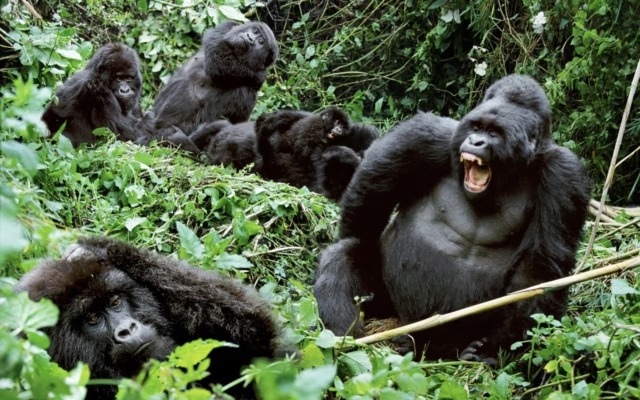
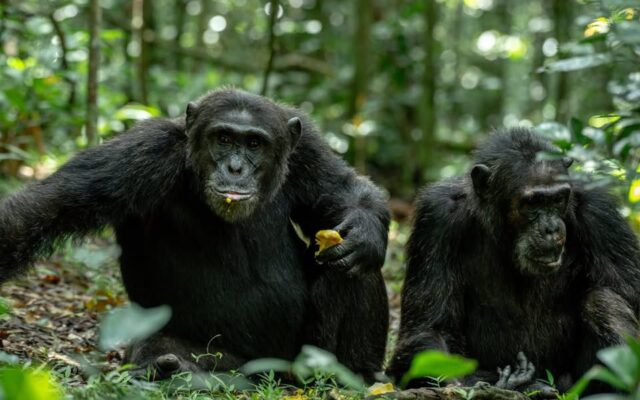
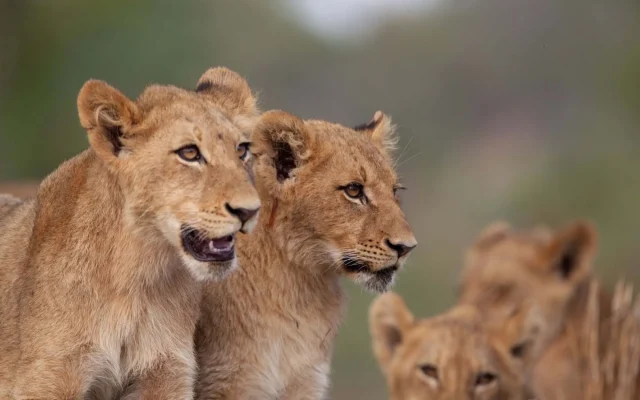
Toro-Semliki Wildlife Reserve is Uganda's oldest wildlife reserve, gazetted in 1926, set between Lake Albert, the Rwenzori Mountains, rift escarpments, savannah, palm forest, wetlands, chimpanzees, and shoebill birding.
This guide was written from a destination-specific research pass, with the goal of making the page useful for real itinerary planning rather than filling space with generic Uganda copy. It combines naturally with Semuliki National Park, Fort Portal, and Lake Albert Region.
Use it to understand what makes the place different, how it combines with nearby destinations, what to expect on the ground, and how to visit respectfully.
Travelers often search for Toro Semliki Wildlife Reserve, Toro-Semliki Wildlife Reserve tours, things to do in Toro-Semliki Wildlife Reserve, Toro-Semliki Wildlife Reserve Uganda, visit Toro-Semliki Wildlife Reserve, Toro-Semliki Wildlife Reserve travel guide.
Quick Facts About Toro-Semliki Wildlife Reserve
| Feature | Details |
|---|---|
| Destination Type | Uganda destination / attraction |
| Region | Ntoroko / Kabarole, Albertine Rift |
| Best For | shoebill, chimpanzees, Lake Albert boat trips, rift valley scenery, birding, Uganda kob |
| Planning Style | Guided visit, route pairing, and destination-specific interpretation |
Overview of Toro-Semliki Wildlife Reserve
Toro-Semliki covers about 542 sq km and was first gazetted in 1926 to protect Uganda kob. Its setting is exceptional: Lake Albert, the Kijura escarpment, the Rwenzoris, and distant Blue Mountains frame the reserve.
Habitats include acacia-combretum woodland, grassy savannah, Borassus palms, riparian woodland, and swamps toward Lake Albert. This mix supports savannah wildlife, primates, and some of Uganda's best birding.
The reserve is notable for chimpanzees studied in a drier, more open habitat than classic rainforest sites, plus Lake Albert boat trips where shoebill searches are possible.
In-Depth Guide to Toro-Semliki Wildlife Reserve
Why This Destination Matters
Toro-Semliki covers about 542 sq km and was first gazetted in 1926 to protect Uganda kob. Its setting is exceptional: Lake Albert, the Kijura escarpment, the Rwenzoris, and distant Blue Mountains frame the reserve.
Habitats include acacia-combretum woodland, grassy savannah, Borassus palms, riparian woodland, and swamps toward Lake Albert. This mix supports savannah wildlife, primates, and some of Uganda's best birding.
How to Visit Well
The reserve is notable for chimpanzees studied in a drier, more open habitat than classic rainforest sites, plus Lake Albert boat trips where shoebill searches are possible.
Plan the visit with enough time for interpretation, photography, local etiquette, and nearby route logic. The best experience comes from treating this destination as a specific place with its own story, not as a generic stopover.
Why Visit Toro-Semliki Wildlife Reserve?
Why This Destination Matters
Toro-Semliki covers about 542 sq km and was first gazetted in 1926 to protect Uganda kob. Its setting is exceptional: Lake Albert, the Kijura escarpment, the Rwenzoris, and distant Blue Mountains frame the reserve. Habitats include acacia-combretum woodland, grassy savannah, Borassus palms, riparian woodland, and swamps toward Lake Albert. This mix supports savannah wildlife, primates, and some of Uganda's best birding.
How to Visit Well
The reserve is notable for chimpanzees studied in a drier, more open habitat than classic rainforest sites, plus Lake Albert boat trips where shoebill searches are possible. Plan the visit with enough time for interpretation, photography, local etiquette, and nearby route logic. The best experience comes from treating this destination as a specific place with its own story, not as a generic stopover.
Top Things to Do in Toro-Semliki Wildlife Reserve
Why This Destination Matters
Toro-Semliki covers about 542 sq km and was first gazetted in 1926 to protect Uganda kob. Its setting is exceptional: Lake Albert, the Kijura escarpment, the Rwenzoris, and distant Blue Mountains frame the reserve. Habitats include acacia-combretum woodland, grassy savannah, Borassus palms, riparian woodland, and swamps toward Lake Albert. This mix supports savannah wildlife, primates, and some of Uganda's best birding.
How to Visit Well
The reserve is notable for chimpanzees studied in a drier, more open habitat than classic rainforest sites, plus Lake Albert boat trips where shoebill searches are possible. Plan the visit with enough time for interpretation, photography, local etiquette, and nearby route logic. The best experience comes from treating this destination as a specific place with its own story, not as a generic stopover.
Short Focused Visit
Use Toro-Semliki Wildlife Reserve as a meaningful short stop when it sits naturally on your route.
Half-Day or Full-Day Extension
Give the destination more time when interpretation, boat logistics, hiking, birding, culture, or conservation education is important.
See things to do in Toro-Semliki Wildlife Reserve
Wildlife, Nature, Culture and Scenery
Nature and Cultural Context
Toro-Semliki Wildlife Reserve should be interpreted through its actual character: some pages are wildlife reserves, others are museums, towns, islands, faith sites, lakes, or cultural landscapes.
Birding and Everyday Wildlife
Where wildlife is relevant, birds, monkeys, reptiles, butterflies, wetlands, forest edges, or lake habitats may be more realistic than guaranteed big-game viewing.
Responsible Visitor Behaviour
Respect active cultural, religious, conservation, or community spaces. Ask before photographing people, rituals, shrines, or sensitive areas.
Explore Toro-Semliki Wildlife Reserve wildlife and local context
Best Time to Visit Toro-Semliki Wildlife Reserve
Toro-Semliki Wildlife Reserve can usually be visited year-round, but the best timing depends on road access, ferry schedules, activity availability, pilgrimage calendars, water levels, heat, rain, or wildlife movement.
Morning visits are often best for light, cooler weather, smoother logistics, and bird activity. Heritage and museum sites should be checked for opening times or event days.
Check the best time to visit Toro-Semliki Wildlife Reserve
How to Get to Toro-Semliki Wildlife Reserve
Toro-Semliki Wildlife Reserve should be reached as part of a planned route through Ntoroko / Kabarole, Albertine Rift, using a private vehicle, boat, ferry, local transfer, or guided arrangement depending on the destination.
Confirm current access, ferry or boat times, road condition, entrance arrangements, and guide availability before travel.
Read how to get to Toro-Semliki Wildlife Reserve
How Toro-Semliki Wildlife Reserve Fits into Uganda Safari Itineraries
Short Focused Visit
Use Toro-Semliki Wildlife Reserve as a meaningful short stop when it sits naturally on your route.
Half-Day or Full-Day Extension
Give the destination more time when interpretation, boat logistics, hiking, birding, culture, or conservation education is important.
Regional Cluster Route
Combine it with the nearby destinations listed below to build a stronger regional travel story.
For route planning, Toro-Semliki Wildlife Reserve works well with Semuliki National Park and Fort Portal.
Build Toro-Semliki Wildlife Reserve into a Uganda safari route
Where to Stay for Toro-Semliki Wildlife Reserve
Accommodation should be chosen from the nearest practical town, lodge area, resort cluster, island base, or safari route depending on the destination.
For remote reserves and islands, confirm comfort level, meals, access, electricity, boat timing, and wet-season conditions before committing.
Compare where to stay for Toro-Semliki Wildlife Reserve
Responsible Travel Tips
Use local guides, respect site rules, avoid litter, follow safety guidance, and support operators that benefit communities and conservation.
Do not touch rock art, disturb wildlife, enter restricted shrines, interrupt worship, pressure animals, or photograph people and rituals without permission.
- Confirm access, fees, and opening times before travel.
- Use a guide or site custodian for interpretation.
- Carry water, sun protection, and comfortable shoes.
- Bring cash for local payments and tips.
- Check ferry, boat, event, or pilgrimage schedules where relevant.
- Treat cultural and religious places with respect.
- Bring binoculars for birding destinations.
- Keep the visit low-impact and route-efficient.
Read Toro-Semliki Wildlife Reserve travel tips
Toro-Semliki Wildlife Reserve FAQs
Custom Safari Planning for Toro-Semliki Wildlife Reserve
When you add Toro-Semliki Wildlife Reserve to a Uganda itinerary, treat it as a purposeful route decision rather than an afterthought. The best visits combine realistic drive times, local guiding, and nearby destinations that share geography or travel theme.
Start with how many nights you can spend in the area, whether you need an arrival or departure buffer, and whether the stop is mainly for wildlife, culture, scenery, adventure, or logistics. That framing helps you choose the right base, guide, and activity timing.
Strong Nearby Pairings
Many itineraries combine Toro-Semliki Wildlife Reserve with Semuliki National Park. A strong nearby pairing for Toro-Semliki Wildlife Reserve based on geography, route logic, or shared travel theme.
Many itineraries combine Toro-Semliki Wildlife Reserve with Fort Portal. A strong nearby pairing for Toro-Semliki Wildlife Reserve based on geography, route logic, or shared travel theme.
Many itineraries combine Toro-Semliki Wildlife Reserve with Lake Albert Region. A strong nearby pairing for Toro-Semliki Wildlife Reserve based on geography, route logic, or shared travel theme.
Many itineraries combine Toro-Semliki Wildlife Reserve with Rwenzori Mountains National Park. A strong nearby pairing for Toro-Semliki Wildlife Reserve based on geography, route logic, or shared travel theme.
Timing, Guides and Expectations
Morning starts often work best for cooler weather, smoother traffic, and better light. Confirm opening hours, boat or ferry schedules, permit rules, and guide availability before travel because local operations can change seasonally.
Use respectful travel habits throughout: ask before photographing people, follow site or park rules, support community-led experiences where possible, and keep expectations accurate for the destination type. This approach makes Toro-Semliki Wildlife Reserve feel like a meaningful part of your Uganda story rather than a rushed checkbox stop.
If you want help building a route that includes Toro-Semliki Wildlife Reserve, our team can suggest whether it works best as a half-day visit, overnight base, or multi-day regional extension.
- Is Toro-Semliki Wildlife Reserve worth visiting?
-
Yes. Toro-Semliki Wildlife Reserve is worth visiting when it fits your route and interests. It is especially useful for travelers looking for shoebill, chimpanzees, Lake Albert boat trips, rift valley scenery, birding, Uganda kob.
- Where is Toro-Semliki Wildlife Reserve located?
-
Toro-Semliki Wildlife Reserve is in Ntoroko / Kabarole, Albertine Rift. Exact routing should be planned around nearby bases, road conditions, and your wider Uganda itinerary.
- What can I do at Toro-Semliki Wildlife Reserve?
-
Main experiences are described in this guide and typically include guided visits, local interpretation, photography, and logical combinations with nearby destinations.
- Do I need a guide for Toro-Semliki Wildlife Reserve?
-
A guide is strongly recommended for most visits because local interpretation, access, safety, cultural etiquette, and route context make the experience more meaningful.
- What is the best time to visit Toro-Semliki Wildlife Reserve?
-
Dry months are usually easier for access and outdoor activities. Morning visits are often best for light, cooler weather, and smoother logistics.
- Can Toro-Semliki Wildlife Reserve be added to a Uganda safari?
-
Yes. The destination works best in a custom itinerary that combines it with nearby parks, towns, lakes, forests, cultural sites, or adventure stops.
Nearby Destinations to Combine with Toro-Semliki Wildlife Reserve
Toro-Semliki Wildlife Reserve combines best with nearby destinations that share route logic, cultural context, ecology, or visitor logistics.
Semuliki National Park
A strong nearby pairing for Toro-Semliki Wildlife Reserve based on geography, route logic, or shared travel theme.
Fort Portal
A strong nearby pairing for Toro-Semliki Wildlife Reserve based on geography, route logic, or shared travel theme.
Lake Albert Region
A strong nearby pairing for Toro-Semliki Wildlife Reserve based on geography, route logic, or shared travel theme.
Rwenzori Mountains National Park
A strong nearby pairing for Toro-Semliki Wildlife Reserve based on geography, route logic, or shared travel theme.
Kibale National Park
A strong nearby pairing for Toro-Semliki Wildlife Reserve based on geography, route logic, or shared travel theme.
Queen Elizabeth National Park
A strong nearby pairing for Toro-Semliki Wildlife Reserve based on geography, route logic, or shared travel theme.
Nearby destinations to combine
Plan Your Toro-Semliki Wildlife Reserve Visit
Toro-Semliki Wildlife Reserve can add depth and specificity to a Uganda safari when it is matched with the right route, guide, and expectations.
Our team can help decide whether Toro-Semliki Wildlife Reserve should be a short stop, a full-day visit, or part of a longer Uganda safari.
Request a custom Toro-Semliki Wildlife Reserve and Uganda safari quote