How safari tourism supports conservation in East Africa
Conservation in Uganda, Rwanda, Kenya, and Tanzania is expensive. Rangers must patrol vast areas, veterinarians must treat injured wildlife, habituated gorilla groups require daily monitoring, and communities living beside parks bear real costs from crop raiding and livestock predation. Safari tourism is one of the few revenue streams large enough to pay for that work at scale — when it is managed transparently and channelled through official park systems.
This is not abstract eco-marketing. It is how mountain gorilla populations recovered from the brink, how anti-poaching units stay equipped, and how a school near Bwindi gets a new classroom paid for by visitors who will never meet the children who study there.
The money trail: from your permit to the park
Every safari invoice contains line items that matter ecologically:
- Park entry fees — daily tariffs set by authorities such as UWA in Uganda or RDB in Rwanda
- Activity permits — gorilla, chimp, golden monkey, and hiking permits with fixed quotas
- Concession and lodge fees — employment, local procurement, and park lease revenue
- Guiding and vehicle fees — skilled labour that keeps tourism professional rather than chaotic
Licensed operators collect these fees on your behalf and remit them to the relevant authority. Cutting corners with informal operators may save money short term, but it often bypasses the revenue channels conservation depends on.
Uganda Wildlife Authority revenue sharing
Under Uganda’s wildlife legislation, UWA shares 20% of park entry fee revenue with local governments in parishes bordering national parks and wildlife reserves. The funds arrive as conditional grants — communities propose projects that either reduce human–wildlife conflict or improve household livelihoods in frontline villages.
In the 2024/2025 financial year alone, UWA disbursed more than UGX 10 billion in revenue-sharing funds across districts neighbouring major parks, including Murchison Falls, Queen Elizabeth, Kibale, Bwindi, and Mgahinga. Districts retain a small administrative share; the majority funds parish-level projects such as beekeeping cooperatives, water tanks, school blocks, health units, and Mauritius thorn hedges to protect crops from elephants.
The programme exists because conservation fails when neighbours see wildlife only as a threat. When the same neighbours receive classrooms, goat-rearing schemes, or clinic support funded by tourism, they have a reason to report poachers rather than tolerate them.
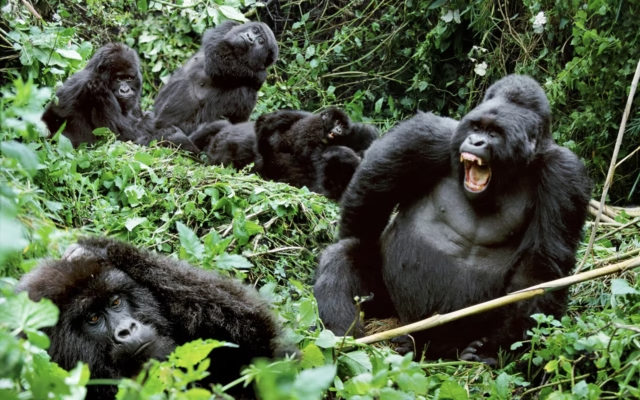
Gorilla tourism attracts the highest-spending visitors in the region, and Uganda channels part of that value directly to communities. Since 2015, US $10 from every gorilla tracking permit sold for Bwindi Impenetrable and Mgahinga Gorilla National Parks goes to frontline community projects — separate from the wider 20% entry-fee share.
That levy is significant in aggregate. When gorilla trekking is busy, districts around Kisoro and Kanungu receive billions of shillings across a financial year for approved projects. Recent disbursements have included multi-billion-shilling releases to districts bordering Bwindi and Mgahinga for schools, roads, and livelihood programmes.
Foreign non-resident gorilla permits in Uganda are widely quoted around US $800 (confirm current UWA tariffs when booking). Understanding where portions of that fee flow helps explain why permit scarcity is tightly controlled — each trek supports both species protection and community benefit.
What permit revenue funds operationally
UWA and similar authorities use tourism income for day-to-day conservation work that visitors rarely see:
- Ranger patrols and intelligence networks
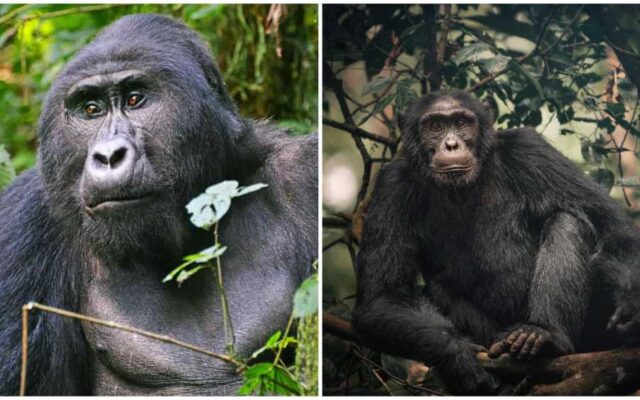
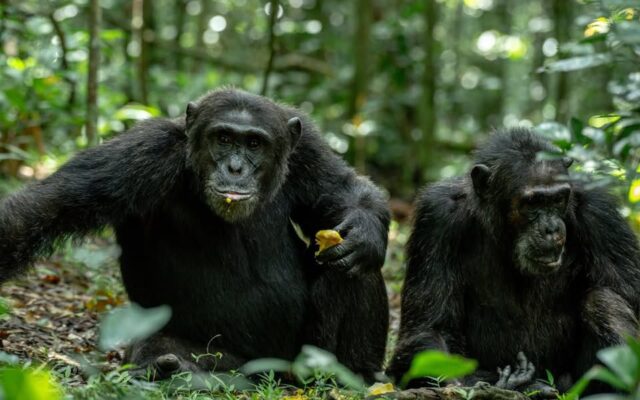
- Gorilla and chimp habituation and health monitoring
- Veterinary interventions and snare removal
- Trail maintenance and visitor safety infrastructure
- Research partnerships and census work
- Environmental education in schools near parks
Gorilla trekking is not simply walking to a family and leaving. Each habituated group is tracked daily. Sick individuals are treated. Tourist groups are capped at eight visitors for one hour to limit stress. Those rules require staff, budgets, and political support — all sustained by permit sales.
Rwanda’s conservation finance model
Rwanda’s high-value gorilla permit (currently US $1,500 for foreign non-residents at Volcanoes National Park) reflects a deliberate strategy: fewer visitors, higher revenue per trek, more funding per gorilla group. Rwanda also operates a 10% tourism revenue-sharing programme for communities around national parks.
Akagera National Park — managed through a partnership between African Parks and the Rwanda Development Board — derives the vast majority of its income from tourism and reinvests in anti-poaching, species reintroduction, and community outreach. Parks that become financially self-sufficient can plan on decadal timescales rather than year-to-year crisis fundraising.
Employment and the conservation economy
Tourism support is not only government revenue. A single safari camp may employ dozens of local staff — guides, housekeepers, kitchen teams, maintenance crews, security, and drivers. Supply chains pull in farmers, builders, artisans, and transport companies. In rural areas with limited formal employment, a lodge contract can transform household economics.
Guides who earn dignified wages become ambassadors for wildlife. Porters on gorilla treks earn cash on trekking days. Craft sellers at park gates earn from tourist footfall. The conservation economy is wider than park headquarters accounting.
Why community benefit prevents poaching
Poaching and illegal resource extraction often rise when people lack alternatives. Revenue sharing, employment, and enterprise development give communities a stake in keeping animals alive and forests intact.
Programmes that finance goat rearing, apiary projects, or community tourism initiatives reduce pressure on park resources. Compensation and mitigation schemes for elephant or buffalo crop damage — funded from tourism-related budgets — prevent retaliatory killing. Education programmes explain why a gorilla group in the forest can mean a clinic in the village.
What travelers can do to support conservation well
You do not need to volunteer on a research project to make a positive impact. Practical choices matter:
- Book through licensed operators who pay official fees
- Buy legitimate permits rather than chasing unofficial shortcuts
- Spend multiple nights near parks to spread lodge and wage benefits
- Visit community experiences that pay hosts fairly
- Follow wildlife rules — distance limits, no litter, no feeding
- Choose itineraries that include under-visited parks, not only flagship sites
Responsible tourism is not performative. It is the difference between conservation funding arriving where it should and leaking into informal economies that undermine parks.
Limits and honest challenges
Tourism-dependent conservation is not perfect. Permit revenue must be managed transparently. Climate shifts, political instability, and global travel shocks can reduce visitor numbers overnight. Human–wildlife conflict continues even when revenue sharing works. Corruption or weak governance anywhere in the chain erodes trust.
That is why travelers should ask operators how fees are itemised and why supporting established authorities and reputable companies matters. Conservation finance only works when accountability keeps pace with income.
How this connects to your safari planning
When you request a quote for gorilla trekking in Uganda, a multi-park wildlife circuit, or a Rwanda–Uganda combination, you are not buying a theme-park ticket. You are participating in a funding model that keeps rangers employed, gorilla groups monitored, and school roofs repaired in parishes you may drive through on the way to the trailhead.
Tourism supports conservation because protected areas in East Africa cannot survive on goodwill alone. They survive because visitors pay — and because a meaningful share of that payment is designed to reach the people and systems that keep wild places intact.
 BestSeller
 BestSeller
 BestSeller
 BestSeller