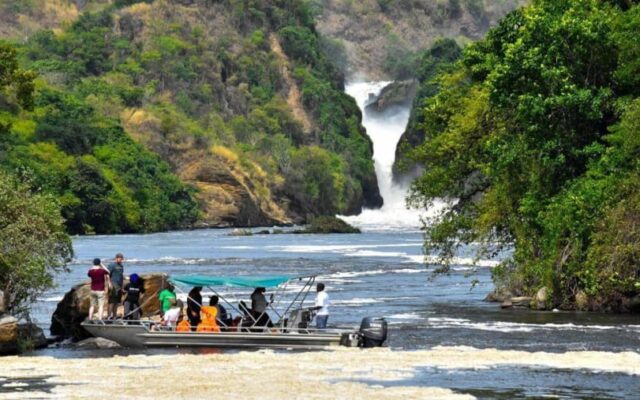
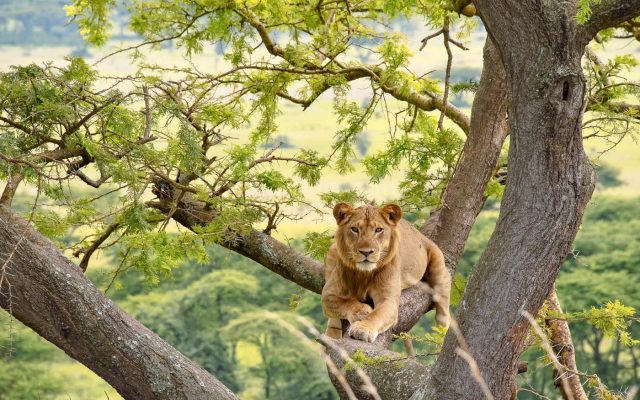
Community conservation — also called community-based conservation (CBC) or community-based natural resource management (CBNRM) — rests on a simple premise with complex execution: people who live beside national parks will protect wildlife if protection improves their lives. Fence lines and ranger patrols alone cannot sustain biodiversity when surrounding communities depend on land, timber, bushmeat, and crops that compete with conservation goals.
Across East Africa, where some of the world's highest-profile safari destinations border among the continent's fastest-growing rural populations, community conservation has moved from experimental pilot projects to national policy. It shapes how gorilla permit fees are spent in Uganda, how Wildlife Management Areas operate in Tanzania, and how Rwanda funds schools near Volcanoes National Park.
The core idea: participation plus benefit
Community conservation combines two elements:
- Participation — local people influence how resources are managed, patrol community lands, operate tourism enterprises, and sit on committees that decide project spending
- Benefit — households receive income, infrastructure, services, or resource rights that exceed the costs of living beside wildlife
Without participation, conservation is imposed — and resentment follows. Without benefit, participation is performative — communities attend meetings but gain nothing when elephants eat their maize. Effective programmes deliver both.
The costs of living beside protected areas are real. Crop raiding by elephants and buffalo, livestock predation by lions and leopards, restrictions on forest access for fuelwood and grazing, and opportunity costs of land set aside for buffers all fall on frontline households. Community conservation attempts to balance that ledger.
East African models in practice
Uganda: revenue sharing and community tourism
Uganda's framework is among the region's most formalised. Under the Uganda Wildlife Act, UWA shares 20% of park entry fee revenue with local governments in parishes bordering national parks. Communities propose projects — schools, health units, water tanks, beekeeping cooperatives, Mauritius thorn hedges — that reduce conflict or improve livelihoods.
In the 2024/2025 financial year, UWA disbursed more than UGX 10 billion across districts neighbouring major parks including Bwindi, Queen Elizabeth, Murchison Falls, and Kibale. Separately, US $10 from every gorilla permit sold at Bwindi and Mgahinga goes directly to community projects.
Beyond government revenue sharing, community-based tourism (CBT) groups operate enterprises adjacent to parks. Research published in 2025 on the Queen Elizabeth Conservation Area surveyed 600 CBT group members and found tourism created employment in guiding, accommodation, motorcycle transport, food sales, and handicrafts. Monthly incomes from tourism activities ranged from UGX 150,000 (about US $40) to UGX 2.5 million (about US $681) — meaningful in rural western Uganda, though unevenly distributed.
Community experiences such as the Nyanzibiri Cave walk near Queen Elizabeth, Batwa cultural visits near Bwindi, and Bigodi Wetland Sanctuary near Kibale channel tourist spending directly to host communities while diversifying income beyond subsistence farming.
Tanzania: Wildlife Management Areas
Tanzania pioneered large-scale CBNRM through Wildlife Management Areas (WMAs) — community-managed lands bordering national parks and game reserves where villages retain user rights and share tourism revenue. Burunge WMA, between Tarangire and Lake Manyara, is a well-studied example.
Research published in 2024 in Discover Global Society found that wildlife tourism in Burunge WMA generated significant economic benefits — increasing household incomes and raising village profiles — while having relatively minimal impact on agricultural production. Communities continued farming while adding tourism income. Participation in conservation activities increased, suggesting growing local ownership of protection goals.
A 2025 study of community-based tourism near northern Tanzania's parks (Ngorongoro, Serengeti, Tarangire, Lake Manyara, Kilimanjaro, and Arusha) found that 56% of surveyed households engaged in CBT-related activities, with 48% reporting livelihood improvements. However, challenges included limited capacity, weak marketing, poor infrastructure, and governance gaps — reminding us that community conservation is not automatically equitable or efficient.
Rwanda: high-value tourism revenue sharing
Rwanda channels 10% of tourism revenue from national parks to communities bordering those parks. With gorilla permits at US $1,500 per person at Volcanoes National Park, even a modest visitor volume generates substantial community funds. The Volcanoes National Park Expansion Programme further invests in housing, social infrastructure, and skill development for more than 18,000 people in adjacent districts — linking conservation to visible community transformation.
Kenya: conservancies and group ranches
Kenya's community conservation landscape includes community conservancies on Maasai group ranches in the Mara ecosystem, Samburu community lands, and partnerships between county governments and NGOs. Landowners lease grazing rights to conservancies that host tourism lodges, paying per-acre fees and employing community members as rangers and guides. The model has expanded lion and wild dog habitat outside formal national parks.
How community conservation connects to tourism
Safari tourism is the economic engine behind most community conservation in East Africa. When a traveller pays park fees, buys a gorilla permit, stays at a lodge, hires a guide, or visits a community cultural experience, money flows into systems designed — however imperfectly — to return value to local people.
This is why tourism supports conservation in ways that extend beyond ranger salaries. Tourism creates:
- Direct employment — guides, porters, lodge staff, craft sellers, drivers
- Enterprise opportunities — homestays, campsites, cultural performances, wetland walks
- Government revenue sharing — statutory percentages returned to parishes
- Social infrastructure — schools and clinics funded by permit levies
- Conservation incentives — income that exceeds the expected value of poaching or illegal logging
Research on Burunge WMA found that wildlife tourism increased participation in conservation activities and made villages more widely known — social capital that can attract further investment. In Queen Elizabeth's conservation area, CBT members built household assets worth up to UGX 9.6 million through tourism-linked activities.
Challenges and honest limitations
Community conservation is not a silver bullet. Researchers consistently identify problems:
- Unequal benefit distribution — lodge owners and tour operators may capture more value than frontline farmers
- Elite capture — local leaders or politically connected individuals controlling project funds
- Persistent human–wildlife conflict — revenue sharing does not stop elephants from eating crops tonight
- Livelihood strategy differences — agro-pastoralists often perceive more costs than benefits compared to households already engaged in tourism
- Capacity gaps — communities lack bookkeeping, marketing, and hospitality skills without sustained training
- Dependency risk — when pandemics or political shocks halt tourism, community income collapses
A 2025 PMC study on Burunge WMA found that people pursuing agro-pastoral livelihoods perceived fewer benefits and more costs from community-based natural resource management than those already involved in tourism or conservation employment. This highlights the need for inclusive design that addresses farmers' specific losses — not only rewarding those already positioned to profit from visitors.
Community conservation vs fortress conservation
Historically, many African parks were created by evicting or excluding local people — a "fortress conservation" model that treated communities as threats. Community conservation emerged as a corrective, recognising that people have lived alongside wildlife for generations and that their rights, knowledge, and economic needs must be part of the solution.
Modern best practice blends strict protection inside core zones with community partnership in buffer areas and corridors. Gorilla trekking rules — maintaining seven-metre distances, limiting group sizes, prohibiting sick visitors — protect apes while permit revenue funds community clinics. The model works when enforcement inside the park pairs with genuine benefit outside it.
What travellers can do to support community conservation
Visitors are not passive observers. Practical choices strengthen community conservation:
- Book licensed operators who pay official fees and employ local staff fairly
- Include community experiences — wetland walks, cultural visits, craft cooperatives — that pay hosts directly
- Stay multiple nights near parks so wages and supply purchases spread through local economies
- Ask how fees are used — reputable operators can explain revenue-sharing mechanisms
- Respect wildlife rules — behaviour that stresses animals undermines the conservation case communities make to their neighbours
- Buy locally made crafts rather than imported souvenirs
When planning a Uganda safari, community conservation is woven into the fabric of the trip whether you notice it or not. Your Queen Elizabeth park entry fee contributes to parish revenue sharing. Your gorilla permit at Bwindi funds the US $10 community levy. Your afternoon at Bigodi Wetland pays guides from the Kibale Association for Rural Environment Development.
Combining flagship wildlife experiences with community visits creates a fuller picture of how East African conservation actually works — not as a remote government project, but as a daily negotiation between people and wildlife on shared land. Community conservation is the framework that makes that negotiation survivable for both sides.
The concept is straightforward: protect nature by investing in people. The execution is hard, imperfect, and ongoing. But across Uganda, Tanzania, Rwanda, and Kenya, it remains the most credible path to keeping wild places intact in a century when Africa's human population will double.

 Best
Seller
Best
Seller
 Best
Seller
Best
Seller
 Best
Seller
Best
Seller
 Best
Seller
Best
Seller