
Direct answer
These protected landscapes safeguard biodiversity, support tourism economies, preserve cultural heritage, protect ecosystem services, and provide hope for future generations. They represent one of humanity's most important investments in wildlife conservation and natural heritage, ensuring that Tanzania remains one of the world's greatest wildlife destinations…
Recommended Rwanda safari tours
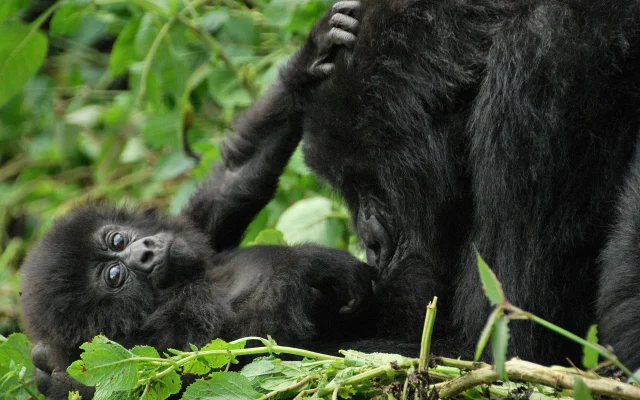
5 Days Rwanda Gorillas & Chimpanzees Safari
Kinigi, Nyungwe NP, Kigali
Five days combining Rwanda's two flagship primate experiences: mountain gorilla trekking in Volcanoes National Park and chimpanzee tracking in Nyungwe National Park. Gorilla permits are USD 1,500; chi…
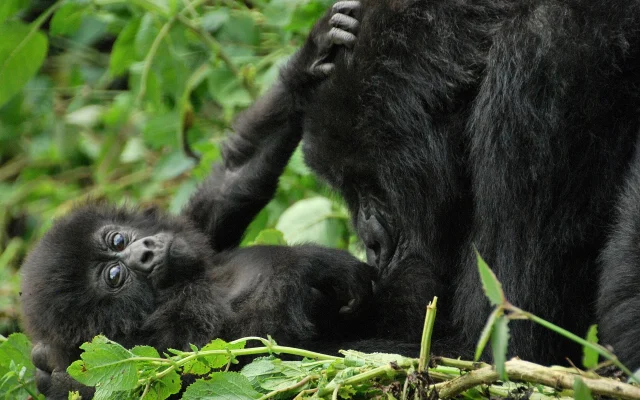
5 Days Rwanda Safari — Gorilla Trekking
Optional Kigali Genocide Memorial, Kinigi, Kigali
A focused 5-day Rwanda gorilla safari with breathing room — two nights near Volcanoes National Park before and after trekking, plus Kigali cultural time and optional golden monkey or Bisoke hike add-o…
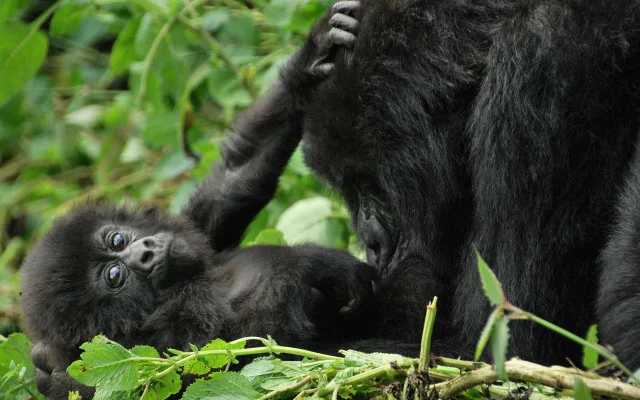
6 Days Rwanda Gorillas & Wildlife Safari
Volcanoes NP, Akagera NP, Lake Ihema boat cruise, Kigali
Six days pairing Virunga gorillas with Akagera National Park savannah wildlife — Rwanda's only Big Five destination. African Parks' conservation success brought lions and rhinos back to Akagera's 1,12…
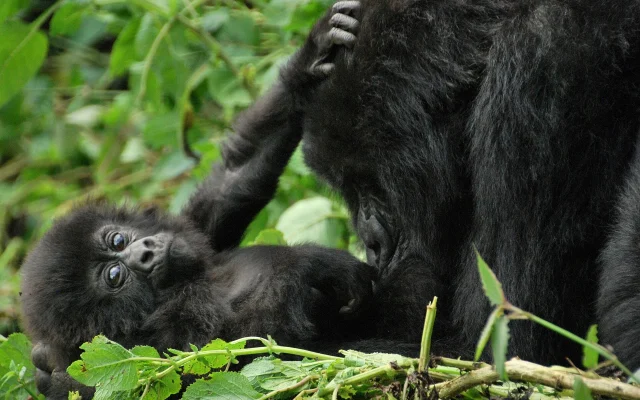
7 Days Rwanda Primates Tour — Gorillas, Golden Monkeys & Chimps
Volcanoes NP, Nyungwe NP, Kigali
The full-title 7-day Rwanda primates tour — gorillas, golden monkeys, and chimps — packaged for travellers searching the complete safari name. Identical primate focus to our 7-day Rwanda Primates itin…
7 Days Rwanda Primates Tour — Gorillas, Golden Monkeys & Chimps
Volcanoes NP, Nyungwe NP, Kigali
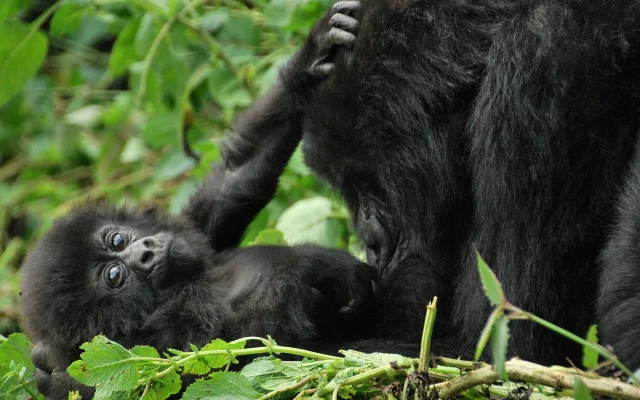
Rwanda's complete primate triangle in seven days: mountain gorillas, golden monkeys, and chimpanzees across Volcanoes and Nyungwe. Combined permit cost roughly USD 1,690 (gorilla USD 1,500 + golden mo…
7 Days Rwanda Wildlife Safari
Volcanoes NP, Nyungwe NP, Akagera NP, Kigali
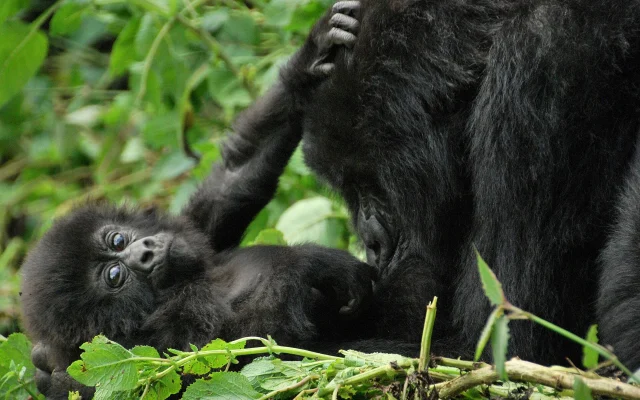
A comprehensive 7-day Rwanda wildlife safari — gorillas in the Virungas, chimps in Nyungwe, and Big Five game drives in Akagera. The full Rwanda circuit without crossing borders: primate forests, sava…
Need expert help planning your trip? Share your dates and interests for a tailored itinerary quote.