
Direct answer
The cheapest option is a 3-day/2-night shared-road safari to Masai Mara from Nairobi — from roughly USD 220–250 per person sharing in low season, including transport, budget tented camp (Enchoro or Rhino Tourist Camp), full-board meals, and park fees. Camping safaris with dome tents run USD 150–200/day. Travelling January–June (USD 100/day Mara fees vs USD 200 peak) and joining a 6-person group cuts per-person costs further.
Recommended Kenya safari tours
3 Days Maasai Mara Flying Safari (Kenya)
Maasai Mara National Reserve, Nairobi Wilson Airport
A 3-day Maasai Mara flying safari delivers maximum time on the plains of Kenya's most celebrated reserve. Fly from Wilson Airport to a Mara bush strip (Ol Kiombo, Keekorok, Musiara or Serena) in about…
3 Days Maasai Mara Safari (Kenya)
Great Rift Valley viewpoint, Narok, Maasai Mara National Reserve, Nairobi
The classic 3-day Maasai Mara road safari from Nairobi is Kenya's most popular short wildlife circuit. Descend the Great Rift Valley escarpment, cross the fertile Mau and farming highlands, and enter…
3 Days Samburu Flying Safari (Kenya)
Samburu National Reserve, Buffalo Springs National Reserve (optional), Nairobi Wilson Airport
Maximise wildlife time with a 3-day Samburu flying safari from Nairobi's Wilson Airport. A scenic 60–90 minute light-aircraft hop lands you at Samburu's bush airstrip (Kalama, Buffalo Springs or Sambu…
3 Days Samburu National Reserve Safari (Kenya)
Great Rift Valley viewpoint, Isiolo, Samburu National Reserve, Nairobi
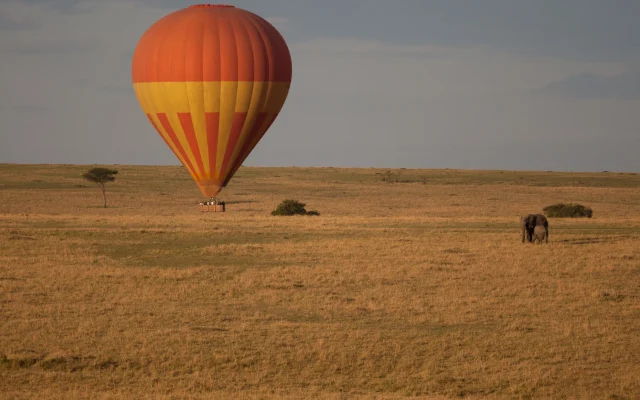
This 3-day Samburu safari takes you into northern Kenya's arid Ewaso Ng'iro ecosystem — a world apart from the southern savannah. Samburu National Reserve is famous for the Samburu Special Five: Grevy…
4 Days Maasai Mara & Lake Nakuru Safari (Kenya)
Lake Nakuru, Maasai Mara National Reserve, Nairobi
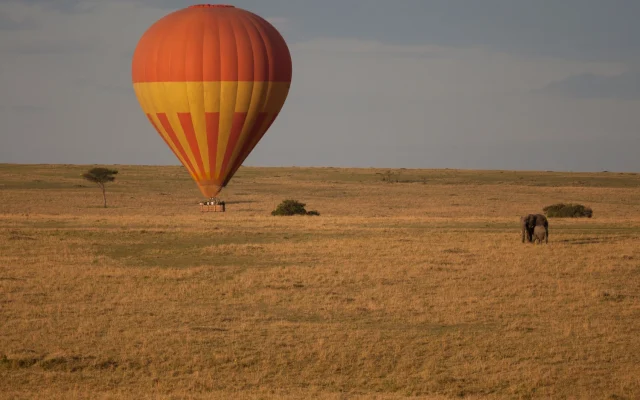
Four days to pair the Great Rift Valley with Kenya's most celebrated savannah. Lake Nakuru National Park is a compact gem — fenced rhino sanctuary, tree-lined lake margins and (when water levels suit)…
5 Days Amboseli & Tsavo Wildlife Safari (Kenya)
Nairobi, Amboseli, Tsavo West, Tsavo East, Nairobi or Mombasa
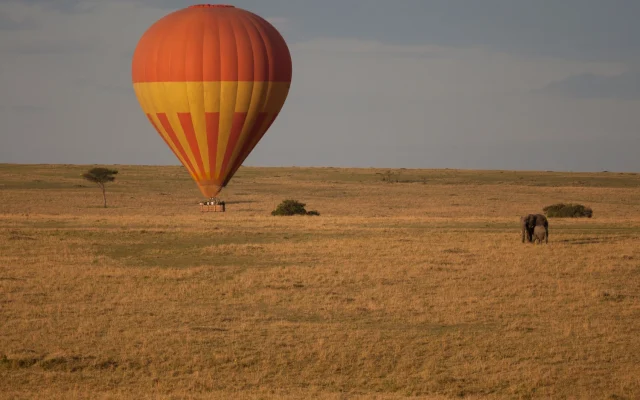
This 5-day Amboseli and Tsavo safari links two of southern Kenya's most dramatic landscapes: the swamp-fringed plains of Amboseli National Park beneath Mount Kilimanjaro's snow cap, and the vast red-s…
Need expert help planning your trip? Share your dates and interests — we design gorilla, wildlife, and birding itineraries with transparent pricing.