Should you take malaria prevention medication for a Uganda or Rwanda safari?
Malaria is the question every first-time Africa traveler asks quietly before booking — and it deserves a straight answer. If your itinerary includes Uganda or Rwanda, health authorities treat malaria as a real risk, not a theoretical one. That does not mean you should panic. It means you should plan prophylaxis with a doctor or travel clinic, pack repellent, and understand how prevention fits alongside yellow fever documentation, travel insurance, and the rest of your pre-trip checklist.
Gorilla trekking at altitude does not make you immune. Forest trailheads start in mosquito habitat. Lodge valleys, lake shores, and savannah parks add exposure on the same holiday. A sensible malaria plan covers the whole trip — not only the nights that feel “lowland.”
What health authorities say about Uganda and Rwanda
The CDC classifies malaria risk as present throughout Uganda and throughout Rwanda. Chloroquine-resistant Plasmodium falciparum — the species responsible for the most severe malaria cases — is the primary concern. Recommended chemoprophylaxis options for both countries include:
- Atovaquone-proguanil (commonly Malarone)
- Doxycycline
- Mefloquine
- Tafenoquine (with G6PD screening required before use)
These are prescription medications. A pharmacy visit two weeks before departure is too late for some regimens — atovaquone-proguanil and doxycycline typically start one to two days before travel, while mefloquine may need to begin two weeks ahead. Your doctor selects the drug that fits your age, pregnancy status, cardiac history, psychiatric history, and other medications.
Why gorilla trekkers still need a plan
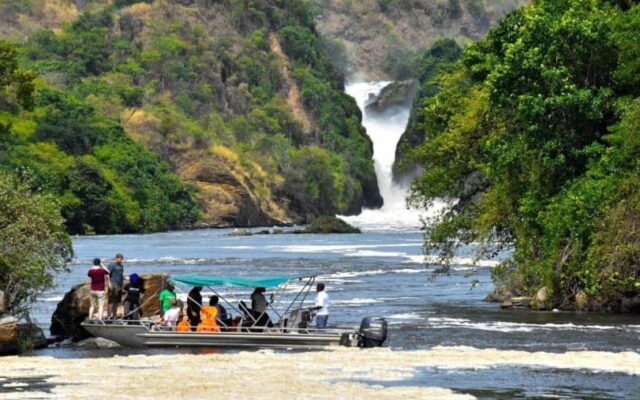
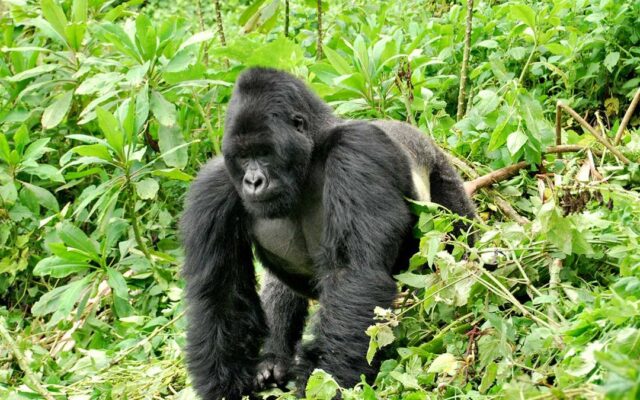
Travel forums sometimes claim mountain gorilla areas are “too high for malaria.” Altitude does reduce mosquito density at the coldest, highest camps, but your safari is not spent entirely at 3,000 metres. You fly into Entebbe or Kigali — both lowland cities. You transfer through valleys. You sleep at lodges perched on forest edges. You may visit Queen Elizabeth, Murchison Falls, or Lake Mburo on the same itinerary.
Gorilla trekking itself starts with a morning briefing near park headquarters — often surrounded by agricultural mosaic and forest fringe where vectors thrive. The trek may last hours in humid forest. Malaria prevention is therefore a whole-itinerary decision, not a gorilla-day decision.
Comparing common prophylaxis options
Atovaquone-proguanil is popular among safari travelers because it is taken daily, generally well tolerated, and continued for only seven days after leaving the risk area. Cost is higher for long trips, but short to medium safaris (10–21 days) often find it convenient.
Doxycycline is inexpensive and effective but must be taken for four weeks after leaving malaria-endemic areas. It can cause photosensitivity — sunburn risk on open-top game drives — and may upset some stomachs. Take it with food and water, and use high-SPF sunscreen.
Mefloquine is weekly, which some long-term travelers prefer, but it is unsuitable for people with certain psychiatric or seizure histories. Discuss honestly with your clinician.
Tafenoquine offers weekly dosing after an initial daily loading phase for some regimens, but requires G6PD deficiency testing because it can cause haemolysis in affected individuals.
There is no universal “best” pill — only the best match for your body and route.
Bite prevention still matters
Antimalarial tablets are one layer. Mosquito avoidance is the other — and both together work better than either alone:
- Apply DEET or picaridin repellent from dusk onward
- Wear long sleeves and trousers in the evening
- Sleep under insecticide-treated bed nets where provided
- Choose lodges with screened rooms or air conditioning when possible
- Use coil or plug-in repellents on budget nights
Safari vehicles are usually open during game drives — magnificent for photography, irrelevant to mosquitoes at sundown. Pack repellent in your day bag, not only your toilet kit.
Seasonal and regional nuance within your itinerary
Malaria transmission intensity varies with rainfall, temperature, and local ecology. Western Uganda’s forest districts, northern savannah corridors, and lakeshore parks all present different micro-risks. Rwanda’s Akagera lowlands differ from breezy ridge lodges near Volcanoes — yet CDC guidance still covers the country broadly.
Do not self-exempt because one lodge website mentions altitude. Build your plan for the maximum risk segment of the trip, then confirm with a travel doctor if you are doing an unusual routing (city-only Kigali conference plus one park day, for example).
Other health preparations travelers often bundle
Malaria prophylaxis sits beside other standard safari health tasks:
- Yellow fever certificate — required for many entrants if arriving from endemic countries; check current rules for your nationality and routing
- Hepatitis A and typhoid vaccines — commonly advised for East Africa travel
- Tetanus booster if overdue
- Travel insurance with medical evacuation — strongly recommended for remote parks
Consult the CDC Yellow Book or your national travel health service alongside a clinic appointment 4–8 weeks before departure when possible.
What to do if you develop fever after travel
Malaria can present weeks or months after exposure. If you develop fever, chills, headache, or flu-like illness during your safari or within a year of return, seek medical attention immediately and mention your travel history. Malaria is treatable when caught early and dangerous when dismissed as “just a cold.”
Some travelers carry a standby treatment course prescribed by their doctor for remote emergencies. That is not a substitute for prophylaxis — it is a safety net discussed case by case with clinicians.
Children, pregnancy, and older travelers
Paediatric dosing requires weight-based prescriptions — children are not small adults for malaria drugs. Pregnant travelers face different risk–benefit calculations; some prophylaxis options are contraindicated. Older travelers on multiple medications need interaction checks. This is why generic internet advice cannot replace a personal consultation.
Family safaris to gorilla parks with teenagers should schedule a family travel-health visit early.
Practical packing list for malaria prevention
- Full course of prescribed tablets (plus spare days for delays)
- Repellent with DEET 20–30% or picaridin 20%
- Lightweight long-sleeved shirt and trousers for evenings
- Personal bed net if homestays or budget nights are planned
- Written prescription list and clinician letter for customs
How this fits your safari quote
When you plan a multi-park Uganda itinerary or a Rwanda–Uganda combination, malaria prophylaxis should be decided before you fly — not debated at the lodge gate. Licensed operators like us coordinate permits, vehicles, and lodges; your doctor coordinates pills and vaccines. Together that is responsible preparation.
Bottom line: for typical Uganda and Rwanda safaris, malaria prevention medication is recommended. Book a travel-medicine appointment, start tablets on schedule, pack repellent, and treat fever seriously. The wildlife is worth the preparation — and the preparation is entirely manageable with professional advice.
This page is general travel information, not personal medical advice. Always consult a qualified healthcare provider before choosing antimalarial drugs.

 BestSeller
 BestSeller
 BestSeller
 BestSeller