
Direct answer
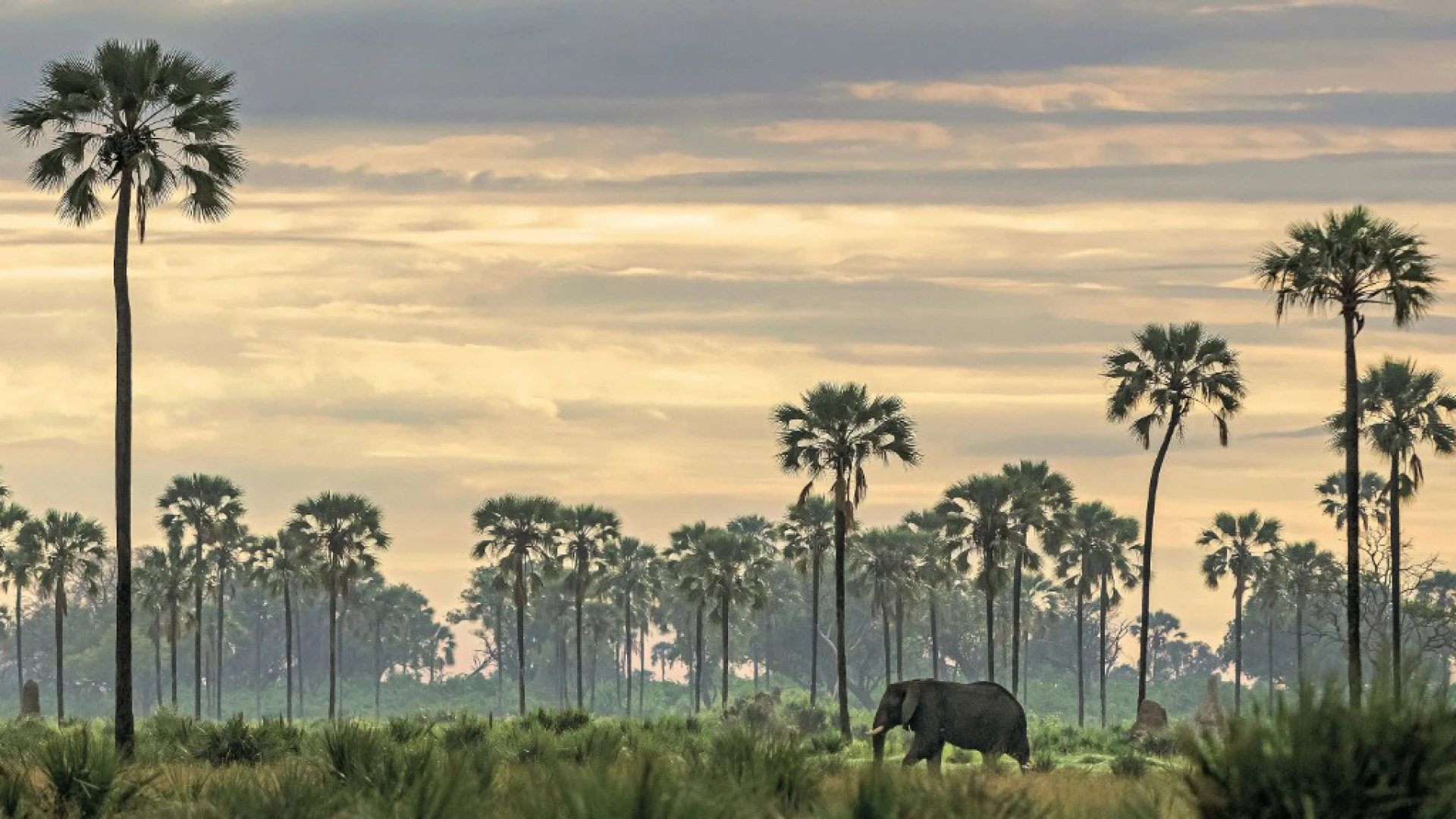
Africa offers worthwhile safaris every month, but experiences shift—dry seasons (June–October, January–February) deliver the densest game viewing, while green season (March–May, November) brings 20–40% lodge discounts, peak birding, and Serengeti newborn herds at the cost of afternoon rains and dispersed wildlife. Some remote Kenya camps close in April–May when black-cotton-soil roads flood.
Recommended Tanzania safari tours
1 Day Tarangire National Park Safari (Tanzania)
Tarangire, Arusha or Moshi
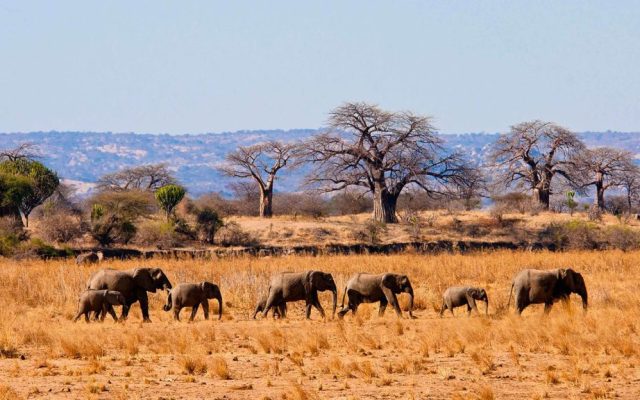
Tarangire National Park is the elephant capital of northern Tanzania — in the dry season (June–October) herds numbering hundreds press against the permanent Tarangire River, dwarfing the iconic baobab…
12 Days Tanzania Luxury Safari & Zanzibar Beach Holiday
Arusha / JRO, Tarangire, Lake Manyara, Ngorongoro Crater, Serengeti, Zanzibar, ZNZ Airport
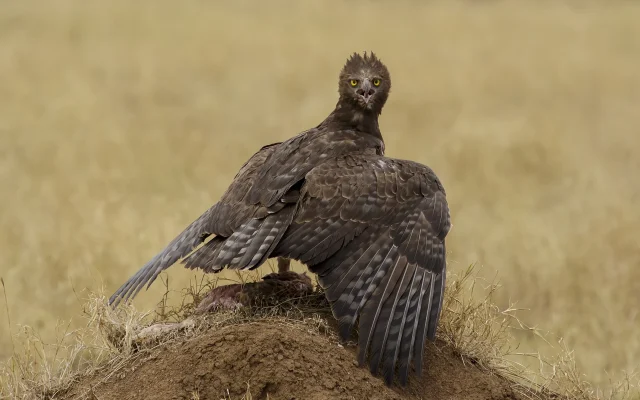
The ultimate Tanzania combination: 8 nights of luxury Northern Circuit safari across Tarangire, Lake Manyara, Ngorongoro Crater, and Serengeti, then 4 nights on Zanzibar for Indian Ocean recovery. Fly…
3 Days Serengeti & Ngorongoro Crater Safari (Tanzania)
Ngorongoro Conservation Area, Serengeti, Ngorongoro Crater, Arusha
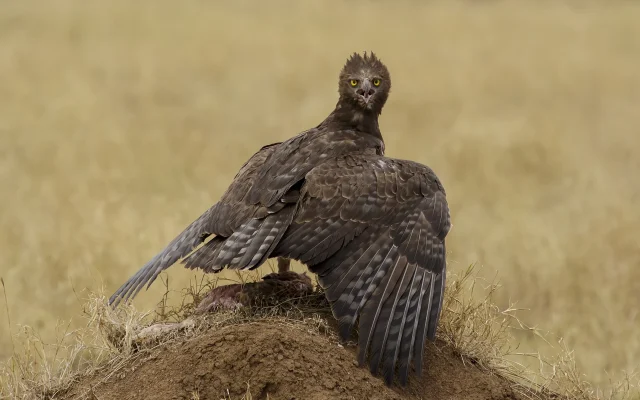
Tanzania's greatest hits in three days: the endless plains of the Serengeti and the wildlife amphitheatre of the Ngorongoro Crater. This is a fast-paced road safari from Arusha — long driving days — b…
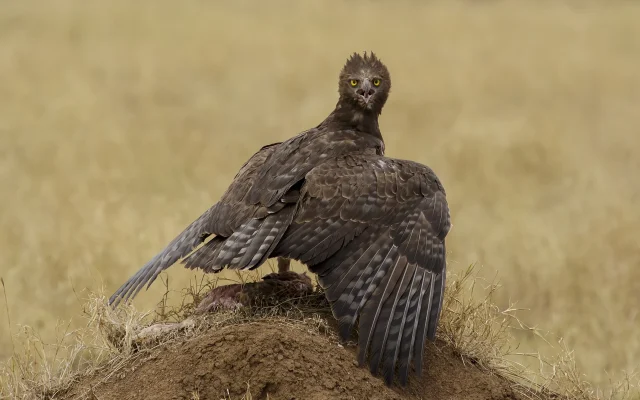
3 Days Serengeti National Park Safari (Tanzania)
Ngorongoro Conservation Area (transit), Serengeti, Arusha
A focused 3-day Serengeti safari maximises time on Tanzania's flagship park — 14,750 km² of plains, kopjes and river corridors that stage the Great Migration, Africa's largest terrestrial mammal movem…
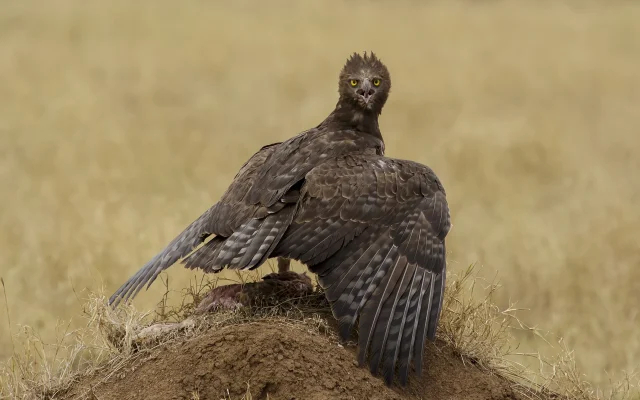
3 Days Tarangire & Ngorongoro Crater Safari (Tanzania)
Tarangire, Ngorongoro Crater, Karatu / Ngorongoro Highlands, Arusha
This compact 3-day Northern Circuit safari pairs two of Tanzania's most contrasting landscapes: the baobab-studded elephant country of Tarangire and the wildlife-rich floor of the Ngorongoro Crater —…
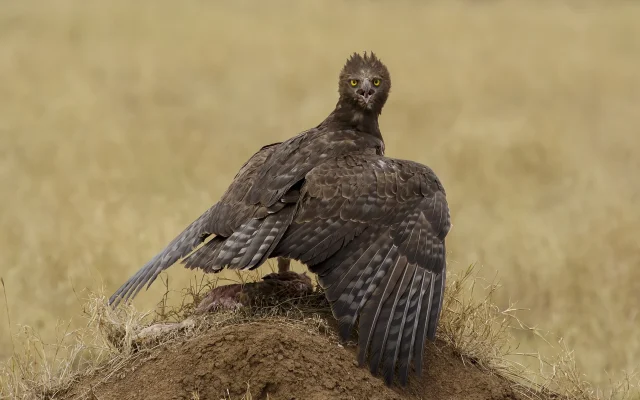
4 Days Tanzania Wildlife Safari
Arusha, Tarangire, Serengeti, Ngorongoro Crater, Arusha / JRO
A fast 4-day Tanzania wildlife safari hitting the Northern Circuit essentials: Tarangire elephants, Ngorongoro Crater Big Five density, and a taste of Serengeti plains. Long driving days from Arusha —…
Need expert help planning your trip? Share your dates and interests — we design gorilla, wildlife, and birding itineraries with transparent pricing.