
Direct answer
Most foreign nationals need a visa: for a single-entry tourist visa (UK, EU, Canada, Australia—90 days), or 0 for a mandatory multiple-entry visa for US citizens (valid 12 months). Apply at the official portal visa.immigration.go.tz at least 10 business days before travel; US travellers should not rely on visa-on-arrival.
Recommended Tanzania safari tours
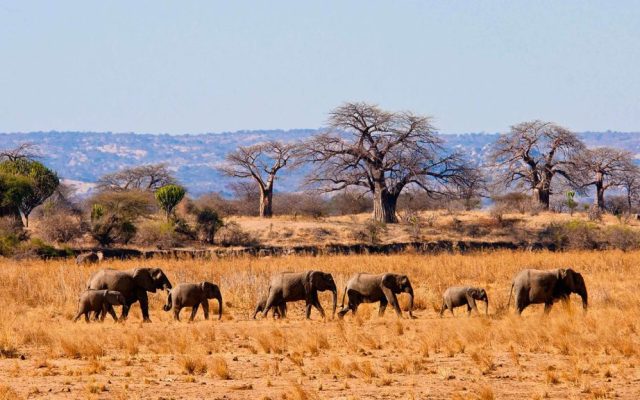
1 Day Tarangire National Park Safari (Tanzania)
Tarangire, Arusha or Moshi
Tarangire National Park is the elephant capital of northern Tanzania — in the dry season (June–October) herds numbering hundreds press against the permanent Tarangire River, dwarfing the iconic baobab…
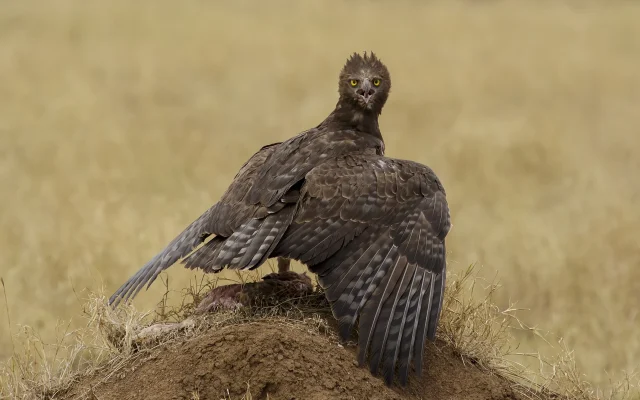
12 Days Tanzania Luxury Safari & Zanzibar Beach Holiday
Arusha / JRO, Tarangire, Lake Manyara, Ngorongoro Crater, Serengeti, Zanzibar, ZNZ Airport
The ultimate Tanzania combination: 8 nights of luxury Northern Circuit safari across Tarangire, Lake Manyara, Ngorongoro Crater, and Serengeti, then 4 nights on Zanzibar for Indian Ocean recovery. Fly…
3 Days Serengeti & Ngorongoro Crater Safari (Tanzania)
Ngorongoro Conservation Area, Serengeti, Ngorongoro Crater, Arusha
Tanzania's greatest hits in three days: the endless plains of the Serengeti and the wildlife amphitheatre of the Ngorongoro Crater. This is a fast-paced road safari from Arusha — long driving days — b…
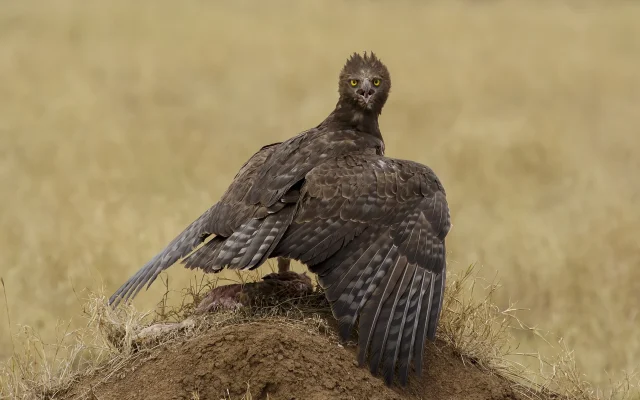
3 Days Serengeti National Park Safari (Tanzania)
Ngorongoro Conservation Area (transit), Serengeti, Arusha
A focused 3-day Serengeti safari maximises time on Tanzania's flagship park — 14,750 km² of plains, kopjes and river corridors that stage the Great Migration, Africa's largest terrestrial mammal movem…
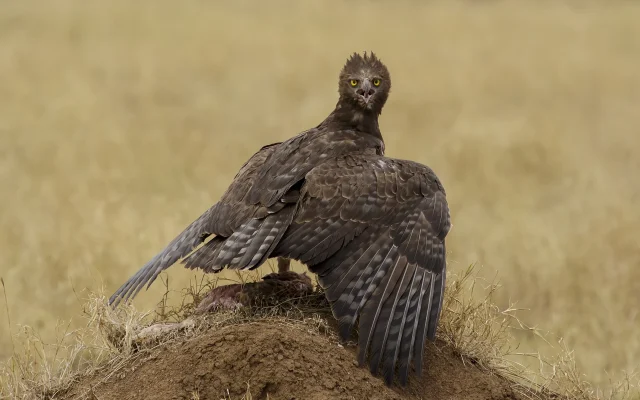
3 Days Tarangire & Ngorongoro Crater Safari (Tanzania)
Tarangire, Ngorongoro Crater, Karatu / Ngorongoro Highlands, Arusha
This compact 3-day Northern Circuit safari pairs two of Tanzania's most contrasting landscapes: the baobab-studded elephant country of Tarangire and the wildlife-rich floor of the Ngorongoro Crater —…
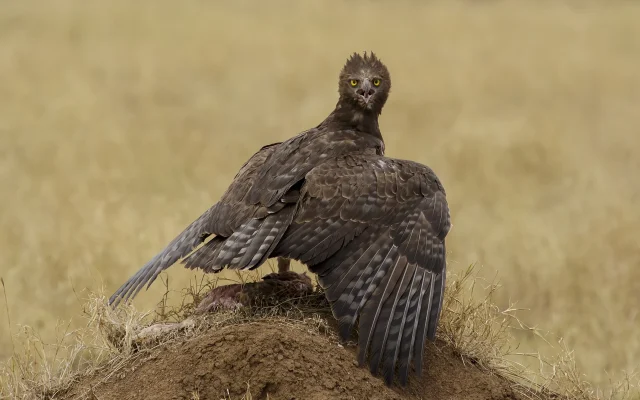
4 Days Tanzania Wildlife Safari
Arusha, Tarangire, Serengeti, Ngorongoro Crater, Arusha / JRO
A fast 4-day Tanzania wildlife safari hitting the Northern Circuit essentials: Tarangire elephants, Ngorongoro Crater Big Five density, and a taste of Serengeti plains. Long driving days from Arusha —…
Need expert help planning your trip? Share your dates and interests — we design gorilla, wildlife, and birding itineraries with transparent pricing.