
Direct answer
Visitors should stay informed through official travel advisories and follow guidance from local authorities and tour operators. Most tourism destinations are considered safe for visitors.
Recommended Uganda safari tours
 Best
Seller
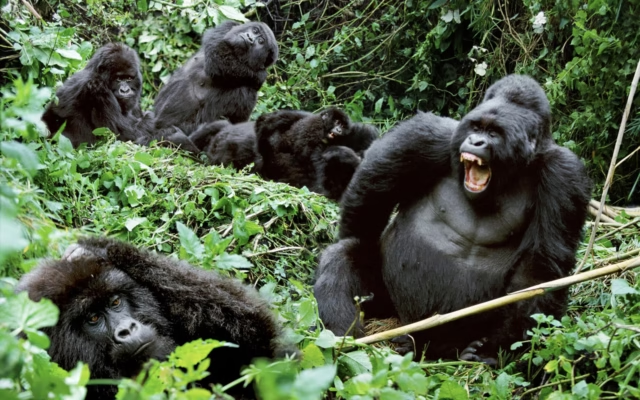
3 Day Uganda Gorilla Trekking Safari
Bwindi Forest, Entebbe
This private Uganda gorilla trekking safari is a focused 3-day Uganda gorilla trekking road trip: a full-day mountain gorilla trek in Bwindi Impenetrable National Park—a UNESCO rainforest where roughl…
 Best
Seller
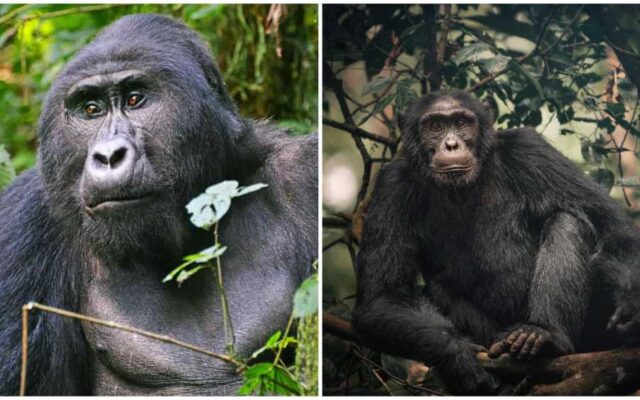
5 Day Gorilla & Chimp Safari
Kibale Forest, Bwindi Forest, Entebbe
Combine Bwindi gorilla trekking with Kibale chimpanzee tracking.
 Best
Seller
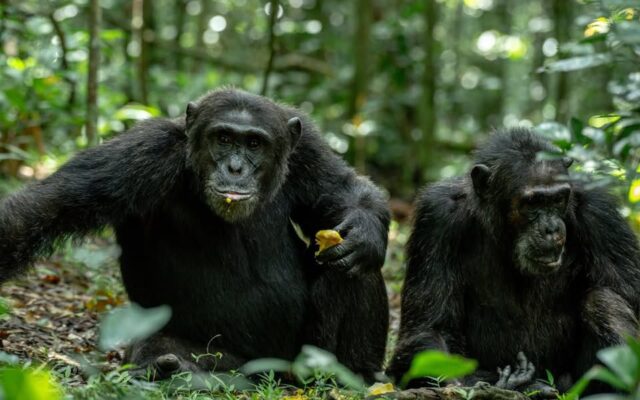
6 Days Uganda Gorillas, Chimpanzees & Wildlife Safari
Kibale Forest, Queen Elizabeth NP, Bwindi Forest, Entebbe
Primates plus plains in six days: Kibale chimps, Queen Elizabeth savannah, Bwindi gorillas and a Lake Mburo finale for zebra — the full Uganda highlight reel without rushing Kidepo or Murchison.
 Best
Seller
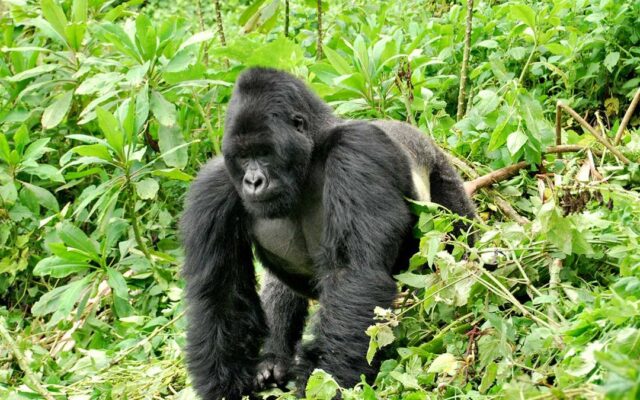
7 Day Uganda Gorilla and Wildlife Safari
Murchison Falls, Kibale Forest, Queen Elizabeth NP, Bwindi Forest, Entebbe
Seven days with gorillas: the wildlife tour above plus Bwindi trekking on Day 6 — the single most booked private itinerary for Uganda Safari Tours guests who want chimps, savannah and gorillas in one…
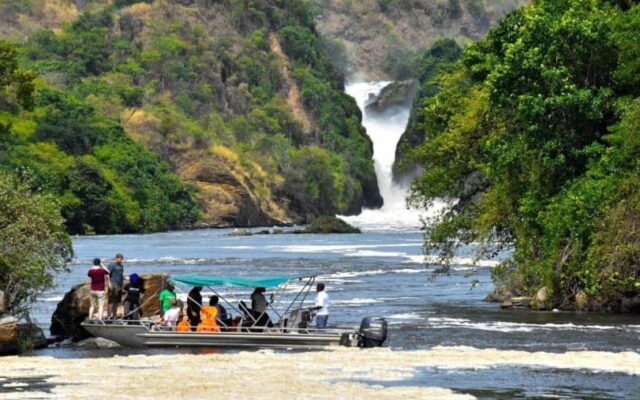
3 Day Murchison Falls Safari
Murchison Falls, Entebbe
Our classic 3-day Murchison Falls safari follows the park’s most proven circuit: dramatic falls, savannah game drives north of the Nile, and the famous boat trip where the river narrows below the casc…
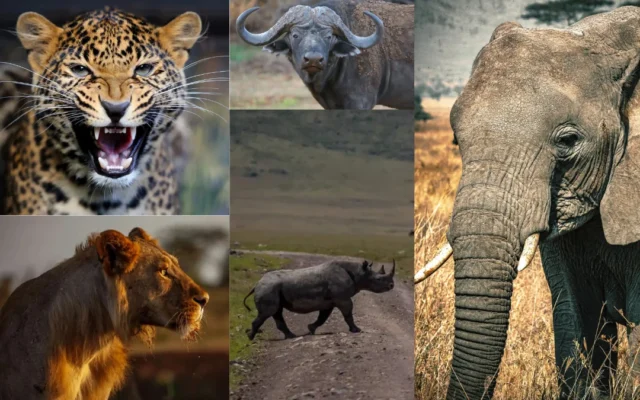
10-Day Uganda Safari – Gorillas, Chimps & Big Five
Murchison Falls, Kibale Forest, Queen Elizabeth NP, Bwindi Forest, Lake Bunyonyi, Entebbe
Our 10-day ultimate Uganda safari distils the country’s greatest hits into a tight, logical loop: rhinos on foot at Ziwa, Nile wildlife at Murchison Falls, chimps in Kibale, savannah and boat safari i…
Need expert help planning your trip? Share your dates and interests for a tailored itinerary quote.