
Direct answer
Yes. Olive baboons occur throughout the park.
Recommended Uganda safari tours
 Best
Seller
3 Day Uganda Gorilla Trekking Safari
Bwindi Forest, Entebbe
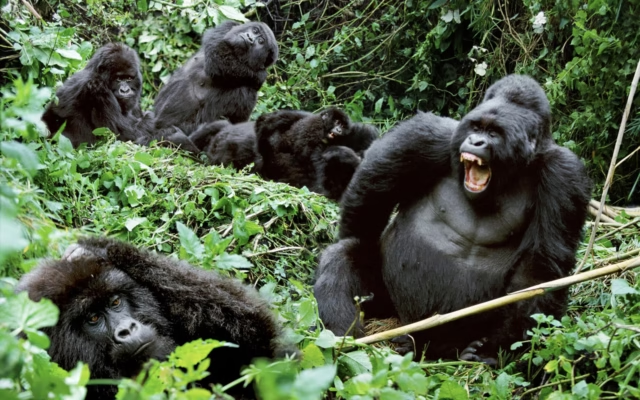
This private Uganda gorilla trekking safari is a focused 3-day Uganda gorilla trekking road trip: a full-day mountain gorilla trek in Bwindi Impenetrable National Park—a UNESCO rainforest where roughl…
 Best
Seller
5 Day Gorilla & Chimp Safari
Kibale Forest, Bwindi Forest, Entebbe
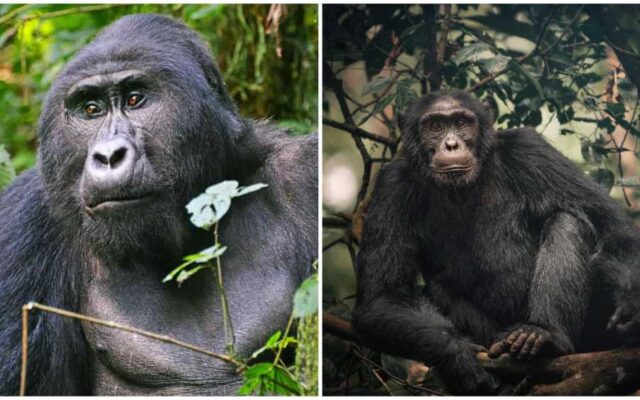
Combine Bwindi gorilla trekking with Kibale chimpanzee tracking.
 Best
Seller
6 Days Uganda Gorillas, Chimpanzees & Wildlife Safari
Kibale Forest, Queen Elizabeth NP, Bwindi Forest, Entebbe
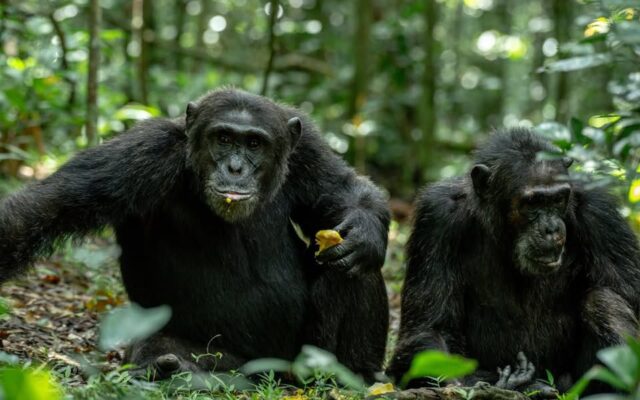
Primates plus plains in six days: Kibale chimps, Queen Elizabeth savannah, Bwindi gorillas and a Lake Mburo finale for zebra — the full Uganda highlight reel without rushing Kidepo or Murchison.
 Best
Seller
7 Day Uganda Gorilla and Wildlife Safari
Murchison Falls, Kibale Forest, Queen Elizabeth NP, Bwindi Forest, Entebbe
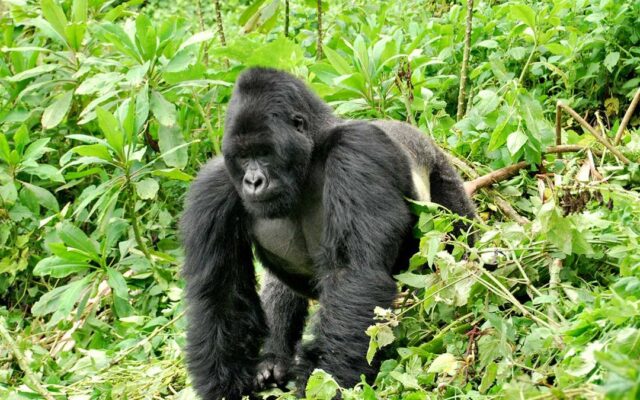
Seven days with gorillas: the wildlife tour above plus Bwindi trekking on Day 6 — the single most booked private itinerary for Uganda Safari Tours guests who want chimps, savannah and gorillas in one…
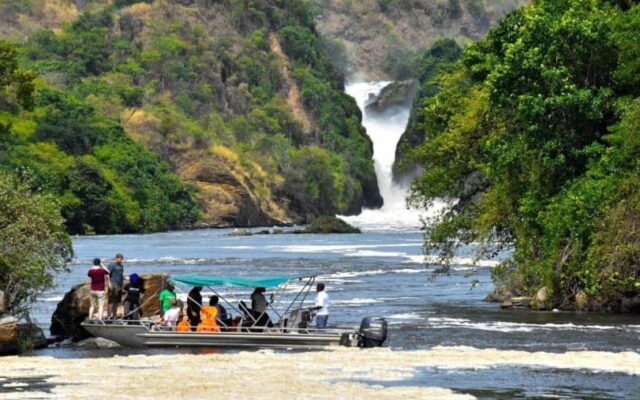
3 Day Murchison Falls Safari
Murchison Falls, Entebbe
Our classic 3-day Murchison Falls safari follows the park’s most proven circuit: dramatic falls, savannah game drives north of the Nile, and the famous boat trip where the river narrows below the casc…
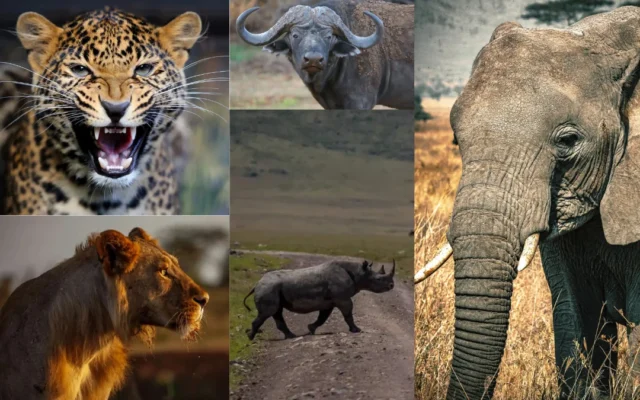
10-Day Uganda Safari – Gorillas, Chimps & Big Five
Murchison Falls, Kibale Forest, Queen Elizabeth NP, Bwindi Forest, Lake Bunyonyi, Entebbe
Our 10-day ultimate Uganda safari distils the country’s greatest hits into a tight, logical loop: rhinos on foot at Ziwa, Nile wildlife at Murchison Falls, chimps in Kibale, savannah and boat safari i…
Need expert help planning your trip? Share your dates and interests for a tailored itinerary quote.