
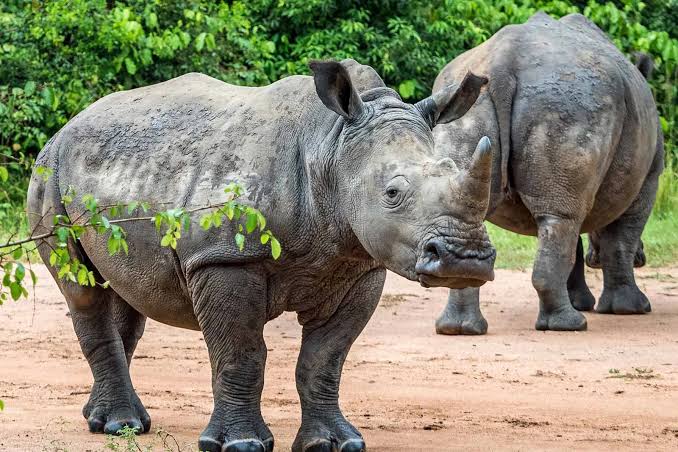
1 Day Rhino Tracking at Ziwa Sanctuary
Uganda · On-foot rhino experience
No-obligation proposal with named lodges, included permits and a complete safari price.
Tour overview
Ziwa Rhino and Wildlife Ranch (often called Ziwa Rhino Sanctuary) is the only place in Uganda where you can track wild southern white rhinos on foot. The project began in 2005 and now protects a breeding herd of 30+ rhinos across roughly 7,000 hectares of bush north of Kampala — a critical step toward returning rhinos to Uganda’s national parks after local extinction in the 1980s.
This day trip from Kampala or Entebbe takes about 3 hours each way on the Gulu highway. On foot, with armed rangers, you approach rhinos to within a safe viewing distance (typically 15–20 metres) for 60–90 minutes of observation. Many travellers combine Ziwa with a longer Murchison Falls safari; as a standalone day it is one of Uganda’s most distinctive short wildlife experiences.
Places you visit
Key stops along this itinerary — customise dates and lodges when you enquire.
- Kampala or Entebbe (Start)
- Ziwa Rhino and Wildlife Ranch, Nakasongola
- Kampala or Entebbe (End)
Day-by-day itinerary
On-foot rhino tracking at Ziwa — Uganda's only wild rhino encounter
Your private 4×4 safari vehicle and English-speaking driver-guide collect you from your Kampala or Entebbe hotel around 6:30–7:00 am — an early start that gets you to Ziwa before midday heat and aligns with the ranch's most productive morning tracking slots. From Entebbe the route crosses the Kampala beltway and joins the northbound Kampala–Gulu highway; from central Kampala you pass Nakawa industrial estates and the roadside markets of Bombo Road before the landscape opens into Luwero district's red-earth farmland and scattered eucalyptus plantations.
The drive north is one of Uganda's most instructive road journeys. You pass through Luwero — once the heart of the 1981–86 bush war and now a thriving agricultural belt of maize, cassava and pineapple — then climb into Nakasongola district, a rolling cattle corridor where Ankole longhorn herds graze beside the tarmac and herders in wide-brimmed hats move stock between dry-season water points. Roadside stalls sell roasted maize, sweet bananas and g-nut paste; your guide can arrange a brief comfort stop at Luwero town or Nakasongola trading centre. Total driving time is roughly 3–3.5 hours (approx. 170 km from Kampala; add 30–45 minutes from Entebbe). The ranch gate is signposted directly on the main highway at Nakitoma, impossible to miss once you pass the Kafu River bridge.
On arrival at Ziwa Rhino and Wildlife Ranch (often called Ziwa Rhino Sanctuary), register at the ranch office, confirm your tracking permit, and receive a mandatory safety briefing from Uganda Wildlife Authority rangers. Founded in 2005 by Rhino Fund Uganda and now managed in partnership with UWA, Ziwa protects 30+ southern white rhinos across roughly 7,000 hectares of bush, grassland and acacia woodland enclosed by a solar-powered electric fence. Rhinos were poached to local extinction in Uganda by the 1980s — the last wild individuals disappeared from Murchison Falls National Park during the civil unrest of that decade. This breeding programme is the critical step before reintroduction to Murchison and other protected areas; many travellers on longer northern-circuit safaris treat Ziwa as a compulsory morning stop before continuing to Paraa.
Rhino tracking runs in small groups throughout the day, but morning departures (around 8:00–10:00 am) typically coincide with cooler temperatures and active rhinos grazing in open clearings. You join an armed ranger team and dedicated rhino tracker who monitor each animal's daily movements via VHF radio, GPS collar data where fitted, and fresh spoor read from overnight activity. Groups are capped for safety and to minimise disturbance — expect 6–8 guests maximum per walk, with a lead ranger carrying a rifle and a tracker who knows individual animals by name, age and family group.
The walk sets out through grassland and acacia woodland, following dung middens, crushed vegetation, urine scent marks and the distinctive three-toed footprints of Ceratotherium simum simum. Tracking usually takes 1.5–2 hours round trip including observation time at the rhino group, though locating animals can be faster when they are in open clearings near the ranger base. Terrain is mostly flat with occasional muddy patches after rain — moderate fitness is sufficient; closed shoes, long trousers and a sun hat are strongly recommended. Insect repellent helps during the wet season when tsetse flies are active near woodland edges.

Safari activity | Ziwa rhino tracking on foot
Walk with armed rangers to within safe viewing distance of southern white rhinos — Uganda's only wild rhino experience, with 60–90 minutes at the group once located and individual animals known by name.
When the nearest rhino is located, your ranger positions the group at a safe viewing distance (typically 15–20 metres, sometimes closer when animals are relaxed and wind direction allows) for 60–90 minutes of observation and photography. Your ranger shares individual rhino histories — many animals are known by name and age, with lineage charts tracing the founding stock brought from Kenya and the United States — and explains the programme's goal of building a genetically diverse herd of 50–60 animals for eventual wild release into Murchison Falls and other national parks.
Southern white rhinos are grazers, distinguished from the rarer black rhino by their wide, square lips and preference for open grassland. You may watch them crop short grass with methodical head sweeps, wallow in mud to cool off and deter biting flies, or observe mothers with calves at remarkably close quarters — young rhinos stay with their mothers for two to three years and are often the most curious members of a crash. Bushbuck, oribi, warthog and bushpig are common on the walk; the ranch's wetland fringes hold rich birdlife including martial eagle, Abyssinian ground hornbill, grey crowned crane, saddle-billed stork and, with luck, shoebill on an optional dawn canoe trip in the Lugogo Swamp sector.
Photography tips from your ranger: overcast mornings reduce harsh shadows on grey hide; a 70–200 mm zoom is ideal for portraits without cropping; avoid flash and sudden movements when a rhino raises its head — that is the signal to freeze and let the ranger assess mood. Tracking fees and ranger tips are separate from your vehicle package; carry small Ugandan shilling notes for the tip box at the ranger station if you wish to thank your guide team.
Lunch is served at the ranch canteen or Amuka Lodge restaurant — simple Ugandan dishes (matoke, rice, grilled chicken or beef stew) and cold drinks before the return drive. Amuka's thatched cottages overlook a waterhole where bushbuck and waterbuck sometimes drink at midday; overnight guests can add a night walk for bushbabies, genets and thick-tailed galagos after dinner. Optional add-ons bookable locally include a shoebill canoe trek at dawn (separate 5:00 am start — we can quote a two-day version with overnight at Amuka), guided birding walks through the swamp fringe, or continuing north same day to Murchison Falls (long drive; better as a two-day Ziwa + Murchison extension).
Depart Ziwa by mid-afternoon for the 3–3.5 hour return to Kampala or Entebbe, typically arriving between 6:00–7:00 pm. The southbound highway is well lit near Kampala but traffic thickens from Kafu River onward on Friday afternoons and Sunday evenings — your guide times the return to avoid peak congestion where possible. Entebbe airport drop-offs are possible for evening international flights; allow at least 3 hours buffer before check-in as highway delays near Kampala are common. This is a long but rewarding day, typically 11–13 hours door to door.
What to pack: Light breakfast before pick-up; passport or national ID for gate registration; binoculars; sun hat and sunscreen; neutral-coloured clothing (no bright white or neon); comfortable closed walking shoes; light rain jacket in wet months; camera with zoom lens; small daypack with water (supplementary bottles provided in the vehicle). Rhino tracking fee and armed ranger escort are included in your package.

 Day 1 | Accommodation
What's included
- Round-trip transfers from Kampala or Entebbe
- Ziwa sanctuary entrance and rhino tracking fee
- Armed ranger and tracker guide
- Lunch
- Bottled water


What's not included
- Optional shoebill trek or night walk at Ziwa
- Tips for rangers
- Travel insurance and visa fees


Accommodation & comfort level
Day trip. Amuka Lodge at Ziwa is available if you prefer to break the journey overnight before continuing to Murchison Falls.
Request Pricing & booking information
Request Quote: Fill in the contact form below.
You may also like
3 Days Big Five Safari in Uganda
Entebbe (Start, End)
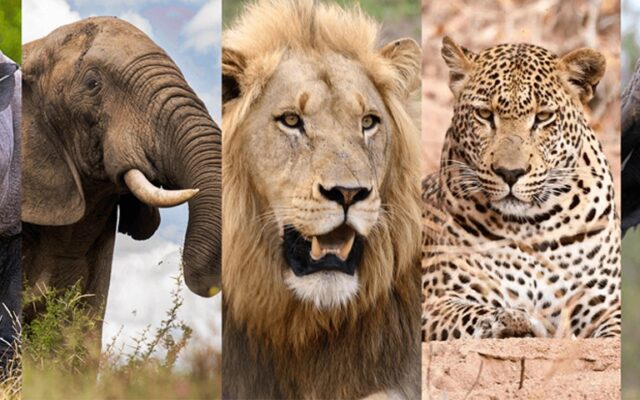
Uganda’s Big Five in three days pairs Ziwa rhinos on foot with Queen Elizabeth National Park — the country’s most visited savannah reserve for lion, leopard, elephant and buffalo. Rhinos were poached…
3 Days Rhinos & Chimpanzee Safari (Uganda)
Ziwa Rhino Sanctuary, Kibale Forest, Kampala or Entebbe
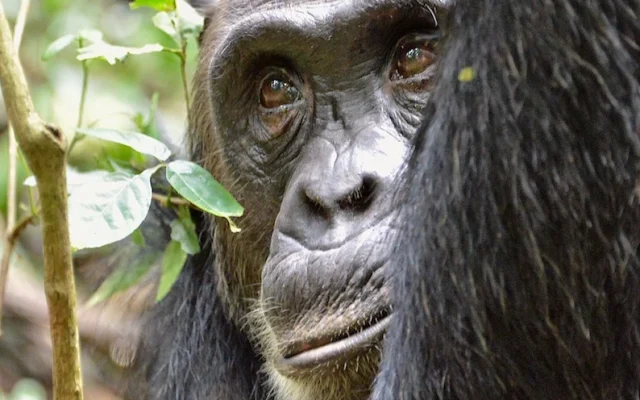
Rhinos on foot at Ziwa, then chimps in Kibale — two of Uganda’s most intimate wildlife encounters in three days. The route arcs north to Nakasongola, then west through Masindi and Fort Portal, so expe…