
Direct answer
Plan a minimum of three nights to cover meaningful territory—two nights feels rushed when combined with Ngorongoro and Tarangire. Four to five nights let you position in the right migration zone seasonally (Ndutu in calving season, Kogatende in crossing season) without daily camp relocations.
Recommended Tanzania safari tours
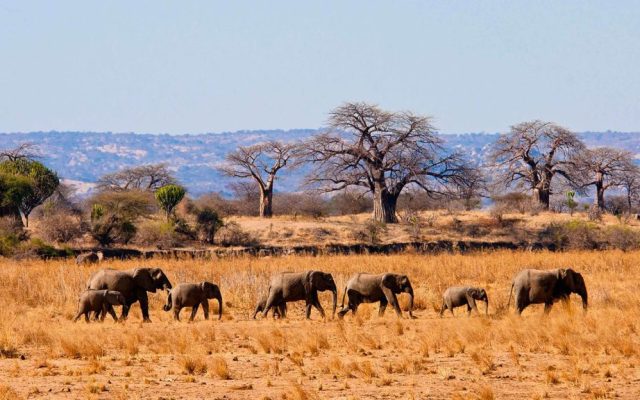
1 Day Tarangire National Park Safari (Tanzania)
Tarangire, Arusha or Moshi
Tarangire National Park is the elephant capital of northern Tanzania — in the dry season (June–October) herds numbering hundreds press against the permanent Tarangire River, dwarfing the iconic baobab…
12 Days Tanzania Luxury Safari & Zanzibar Beach Holiday
Arusha / JRO, Tarangire, Lake Manyara, Ngorongoro Crater, Serengeti, Zanzibar, ZNZ Airport
The ultimate Tanzania combination: 8 nights of luxury Northern Circuit safari across Tarangire, Lake Manyara, Ngorongoro Crater, and Serengeti, then 4 nights on Zanzibar for Indian Ocean recovery. Fly…
3 Days Serengeti & Ngorongoro Crater Safari (Tanzania)
Ngorongoro Conservation Area, Serengeti, Ngorongoro Crater, Arusha
Tanzania's greatest hits in three days: the endless plains of the Serengeti and the wildlife amphitheatre of the Ngorongoro Crater. This is a fast-paced road safari from Arusha — long driving days — b…
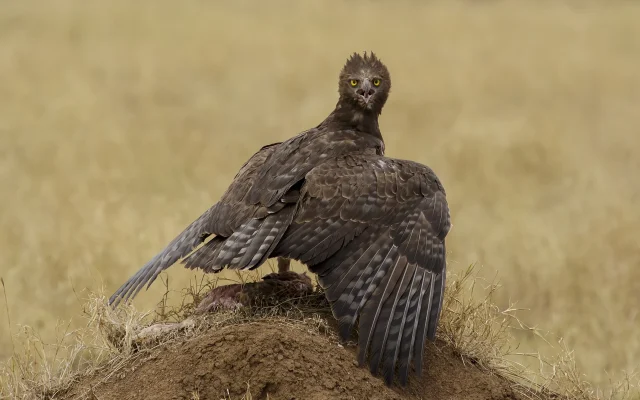
3 Days Serengeti National Park Safari (Tanzania)
Ngorongoro Conservation Area (transit), Serengeti, Arusha
A focused 3-day Serengeti safari maximises time on Tanzania's flagship park — 14,750 km² of plains, kopjes and river corridors that stage the Great Migration, Africa's largest terrestrial mammal movem…
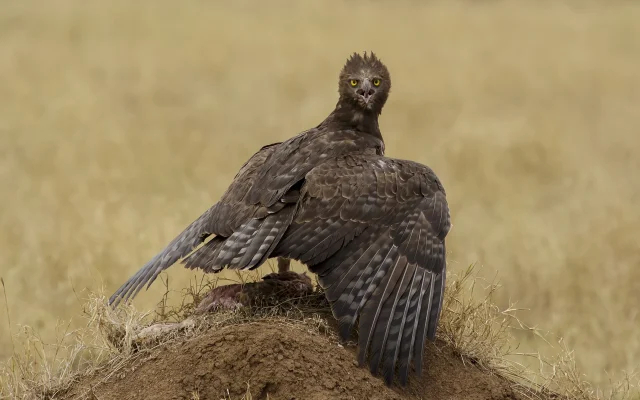
3 Days Tarangire & Ngorongoro Crater Safari (Tanzania)
Tarangire, Ngorongoro Crater, Karatu / Ngorongoro Highlands, Arusha
This compact 3-day Northern Circuit safari pairs two of Tanzania's most contrasting landscapes: the baobab-studded elephant country of Tarangire and the wildlife-rich floor of the Ngorongoro Crater —…
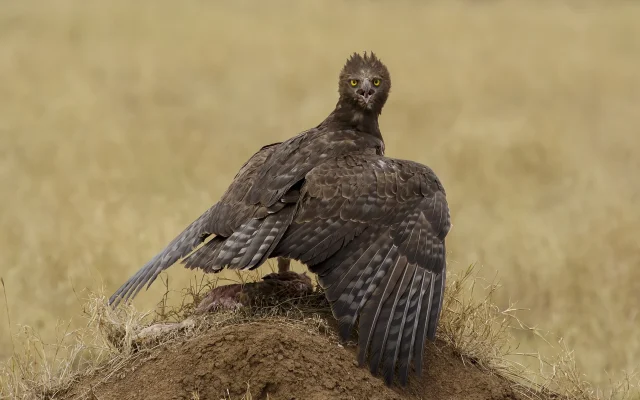
4 Days Tanzania Wildlife Safari
Arusha, Tarangire, Serengeti, Ngorongoro Crater, Arusha / JRO
A fast 4-day Tanzania wildlife safari hitting the Northern Circuit essentials: Tarangire elephants, Ngorongoro Crater Big Five density, and a taste of Serengeti plains. Long driving days from Arusha —…
Need expert help planning your trip? Share your dates and interests — we design gorilla, wildlife, and birding itineraries with transparent pricing.