
Direct answer
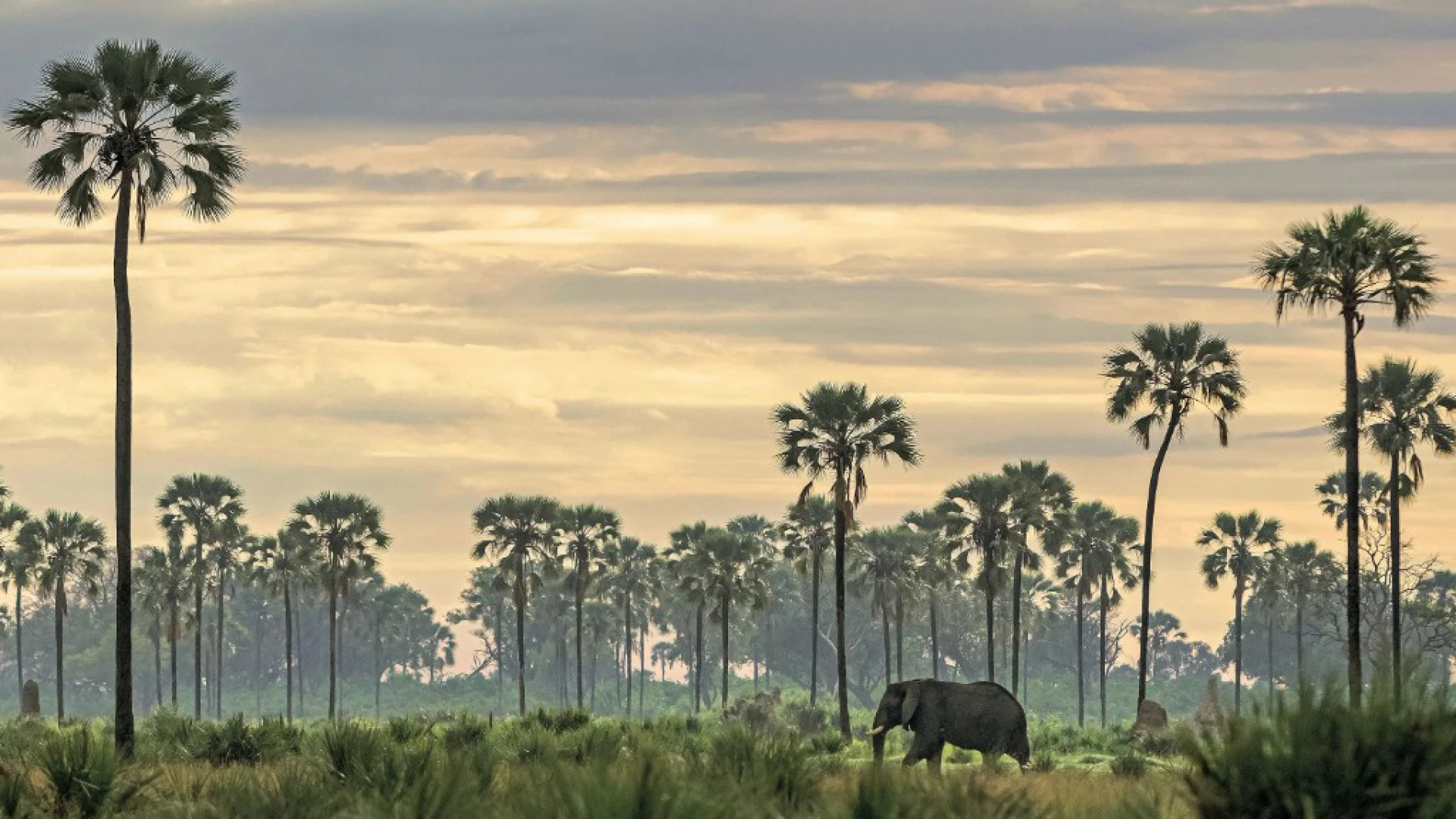
Yes — Akagera National Park suits photography well: open savanna and wetland scenery, reintroduced Big Five, Lake Ihema boat cruises for hippo and crocodile close-ups, and far fewer vehicles than Kenya or Tanzania. Dry seasons (June–September and December–February) deliver golden light and wildlife concentrated at water. Bring a 100–400 mm telephoto, a wide lens for lake panoramas, and expect park entry at USD 100 per adult per day.
Recommended Rwanda safari tours
5 Days Rwanda Gorillas & Chimpanzees Safari
Entebbe (Start, End)
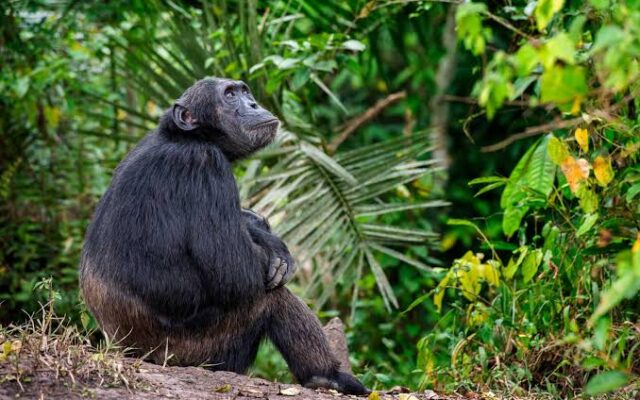
Five days combining Rwanda's two flagship primate experiences: mountain gorilla trekking in Volcanoes National Park and chimpanzee tracking in Nyungwe National Park. Gorilla permits are USD 1,500; chi…
5 Days Rwanda Safari — Gorilla Trekking
Entebbe (Start, End)
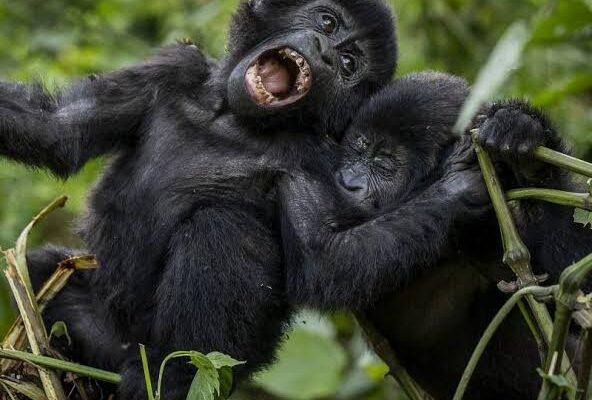
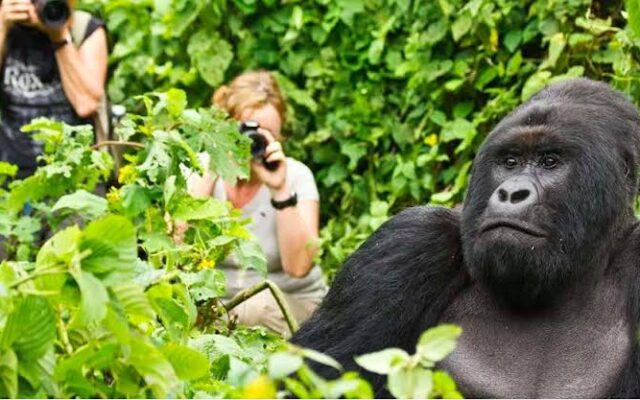
A focused 5-day Rwanda gorilla safari with breathing room — two nights near Volcanoes National Park before and after trekking, plus Kigali cultural time and optional golden monkey or Bisoke hike add-o…
6 Day Rwanda Gorillas & Wildlife Safari
Entebbe (Start, End)
Six days pairing Virunga gorillas with Akagera National Park savannah wildlife — Rwanda's only Big Five destination. African Parks' conservation success brought lions and rhinos back to Akagera's 1,12…
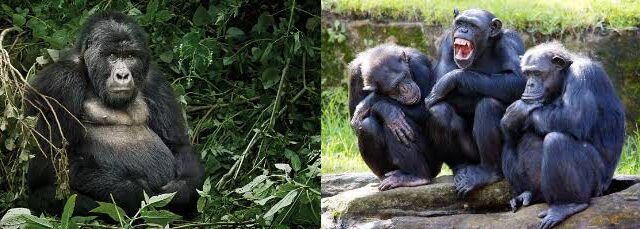
7 Days Rwanda Primates Tour — Gorillas, Golden Monkeys & Chimps
Entebbe (Start, End)
The full-title 7-day Rwanda primates tour — gorillas, golden monkeys, and chimps — packaged for travellers searching the complete safari name. Identical primate focus to our 7-day Rwanda Primates itin…
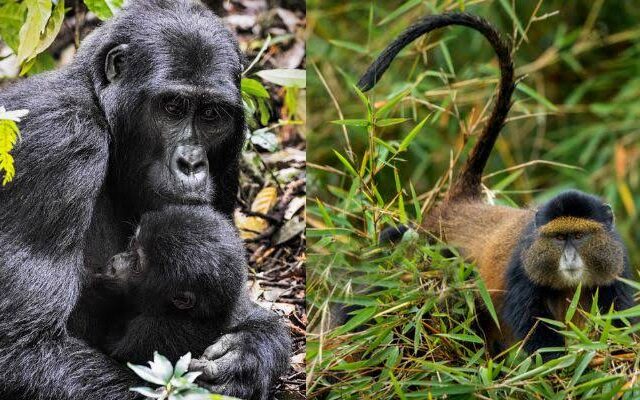
7 Days Rwanda Primates Tour — Gorillas, Golden Monkeys & Chimps
Entebbe (Start, End)
Rwanda's complete primate triangle in seven days: mountain gorillas, golden monkeys, and chimpanzees across Volcanoes and Nyungwe. Combined permit cost roughly USD 1,690 (gorilla USD 1,500 + golden mo…
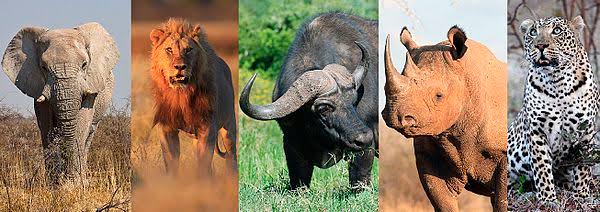
7 Days Rwanda Wildlife Safari
Entebbe (Start, End)
A comprehensive 7-day Rwanda wildlife safari — gorillas in the Virungas, chimps in Nyungwe, and Big Five game drives in Akagera. The full Rwanda circuit without crossing borders: primate forests, sava…
Need expert help planning your trip? Share your dates and interests — we design gorilla, wildlife, and birding itineraries with transparent pricing.