
Direct answer
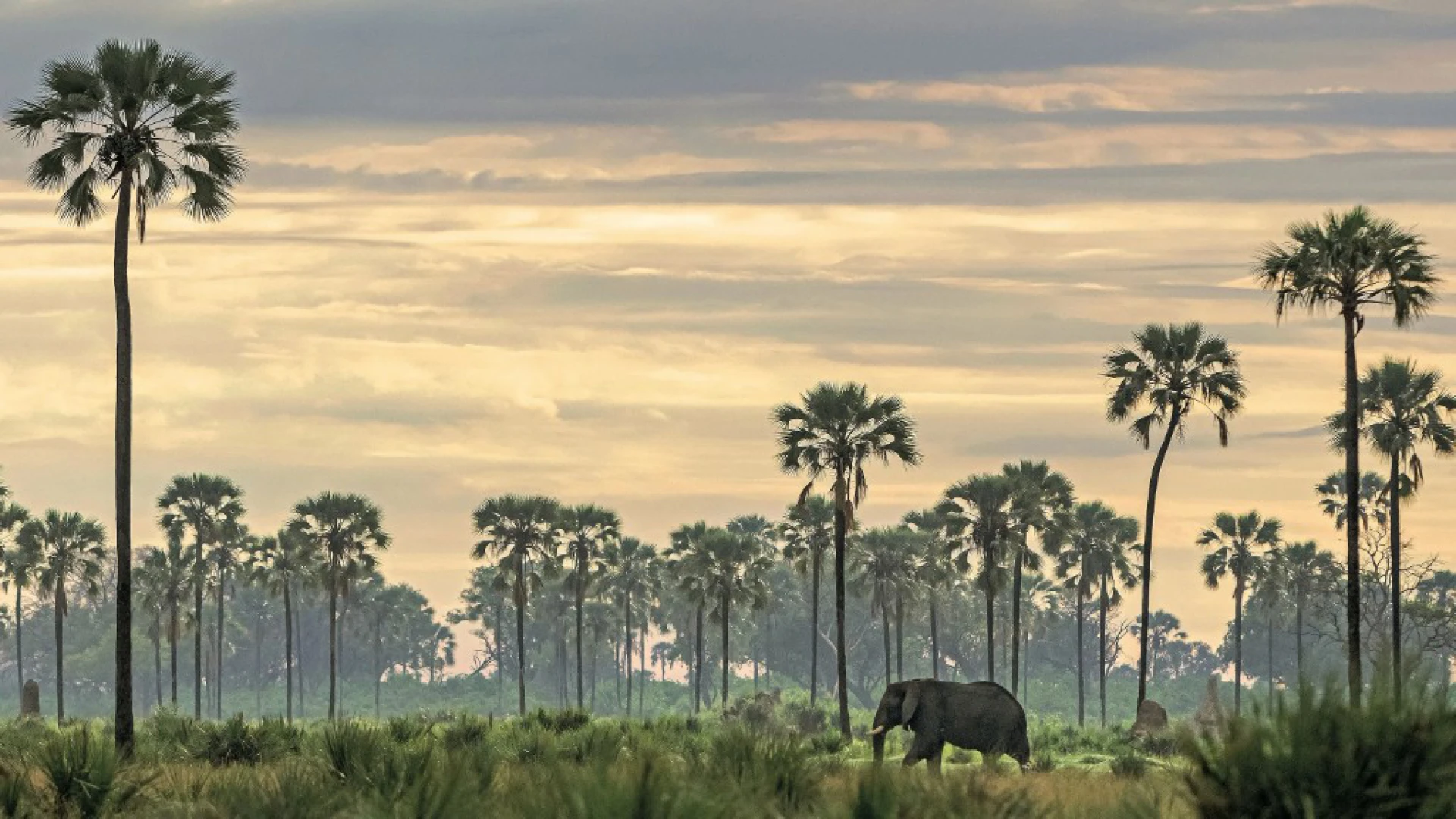
June through September and December through February are Rwanda's driest windows—firmer Volcanoes NP trails, clearer views, and peak permit demand. Book RDB permits 6–12 months ahead for July–August and Christmas; March–May rains mean muddier hikes but fewer tourists and occasional last-minute permit availability.
Recommended Rwanda safari tours
5 Days Rwanda Gorillas & Chimpanzees Safari
Entebbe (Start, End)
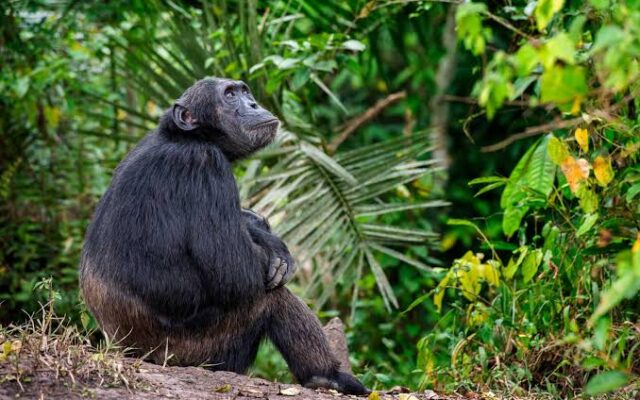
Five days combining Rwanda's two flagship primate experiences: mountain gorilla trekking in Volcanoes National Park and chimpanzee tracking in Nyungwe National Park. Gorilla permits are USD 1,500; chi…
5 Days Rwanda Safari — Gorilla Trekking
Entebbe (Start, End)
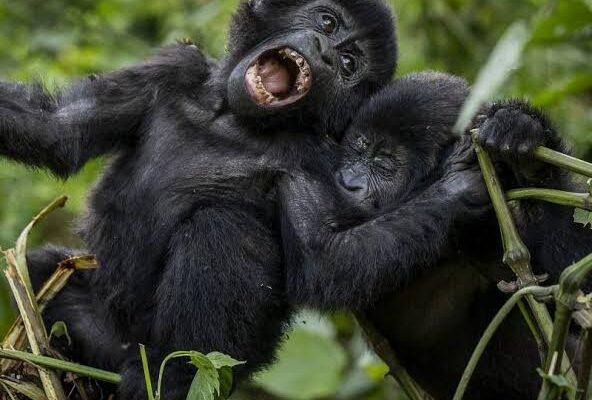
A focused 5-day Rwanda gorilla safari with breathing room — two nights near Volcanoes National Park before and after trekking, plus Kigali cultural time and optional golden monkey or Bisoke hike add-o…
6 Day Rwanda Gorillas & Wildlife Safari
Entebbe (Start, End)
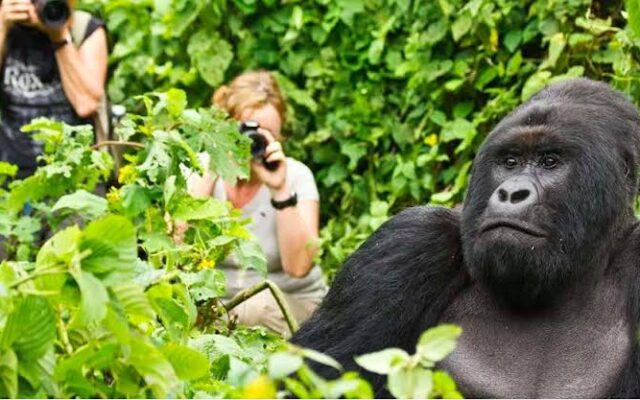
Six days pairing Virunga gorillas with Akagera National Park savannah wildlife — Rwanda's only Big Five destination. African Parks' conservation success brought lions and rhinos back to Akagera's 1,12…
7 Days Rwanda Primates Tour — Gorillas, Golden Monkeys & Chimps
Entebbe (Start, End)
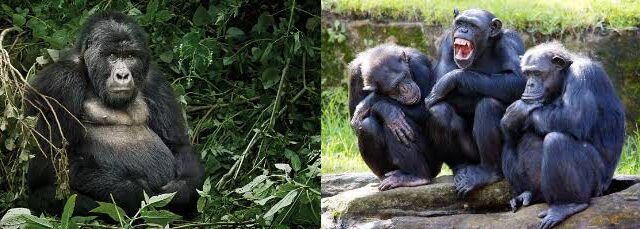
The full-title 7-day Rwanda primates tour — gorillas, golden monkeys, and chimps — packaged for travellers searching the complete safari name. Identical primate focus to our 7-day Rwanda Primates itin…
7 Days Rwanda Primates Tour — Gorillas, Golden Monkeys & Chimps
Entebbe (Start, End)
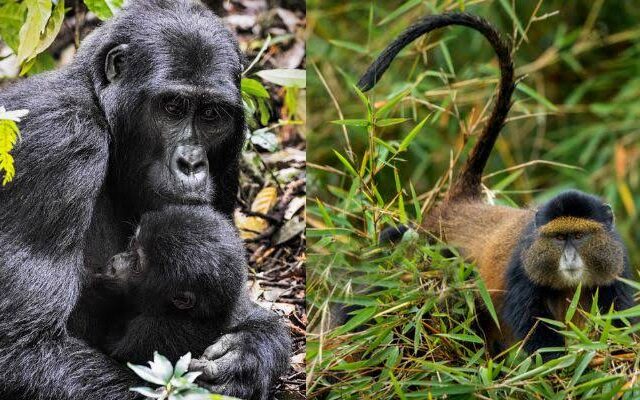
Rwanda's complete primate triangle in seven days: mountain gorillas, golden monkeys, and chimpanzees across Volcanoes and Nyungwe. Combined permit cost roughly USD 1,690 (gorilla USD 1,500 + golden mo…
7 Days Rwanda Wildlife Safari
Entebbe (Start, End)
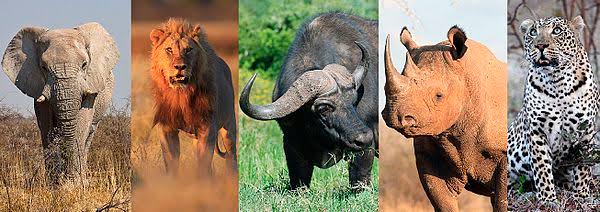
A comprehensive 7-day Rwanda wildlife safari — gorillas in the Virungas, chimps in Nyungwe, and Big Five game drives in Akagera. The full Rwanda circuit without crossing borders: primate forests, sava…
Need expert help planning your trip? Share your dates and interests — we design gorilla, wildlife, and birding itineraries with transparent pricing.