Why Uganda Is an Exceptional Safari Destination
Uganda is frequently underestimated by travelers planning African safaris, largely because Kenya and Tanzania have historically dominated global safari marketing. However, among experienced safari enthusiasts, Uganda is widely respected for offering one of the richest and most varied safari experiences on the continent.
What makes Uganda special is diversity. A single safari itinerary can combine rainforest trekking, savannah game drives, river cruises, primate encounters, birding expeditions, and cultural experiences.
This variety creates a deeper safari experience compared to destinations focused solely on traditional wildlife viewing.
If your idea of safari includes adventure, wildlife, conservation, scenery, and meaningful encounters, Uganda performs exceptionally well.
Uganda’s Biggest Safari Advantage: Gorilla Trekking
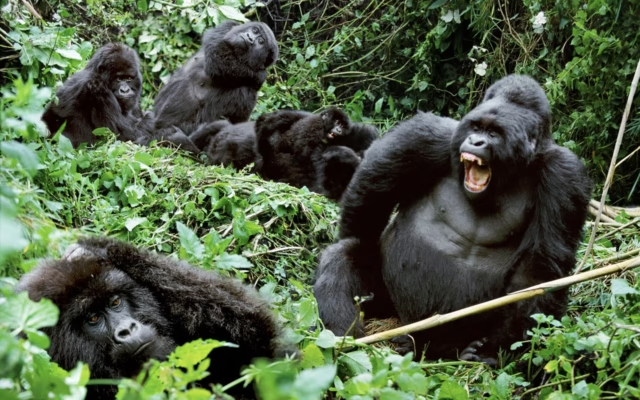
Uganda is one of only a few places in the world where mountain gorilla trekking is possible, making it instantly unique.
For many travelers, gorilla trekking is not merely another safari activity—it is the primary reason to visit Africa.
In Uganda, travelers can trek through dense rainforest in Bwindi Impenetrable National Park or Mgahinga Gorilla National Park to spend time with habituated mountain gorilla families.
This experience offers:
- Rare wildlife intimacy
- Conservation significance
- Immersive adventure hiking
- World-class photography opportunities
- Extraordinary emotional impact
Few safari destinations offer anything comparable.
Classic Wildlife Safari in Uganda
Some travelers mistakenly assume Uganda is mainly a gorilla destination rather than a full safari country. That is inaccurate.
Uganda offers excellent classic wildlife safaris.
Top parks include:
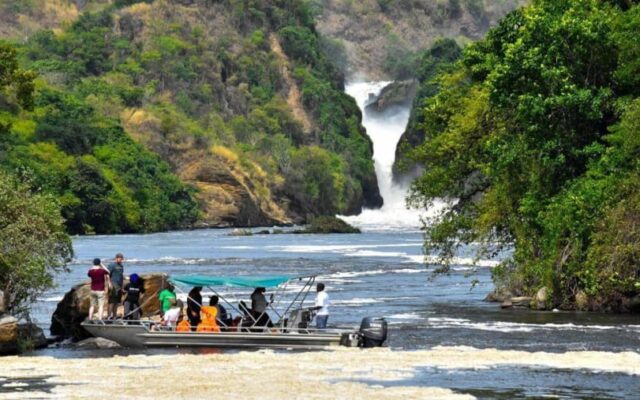
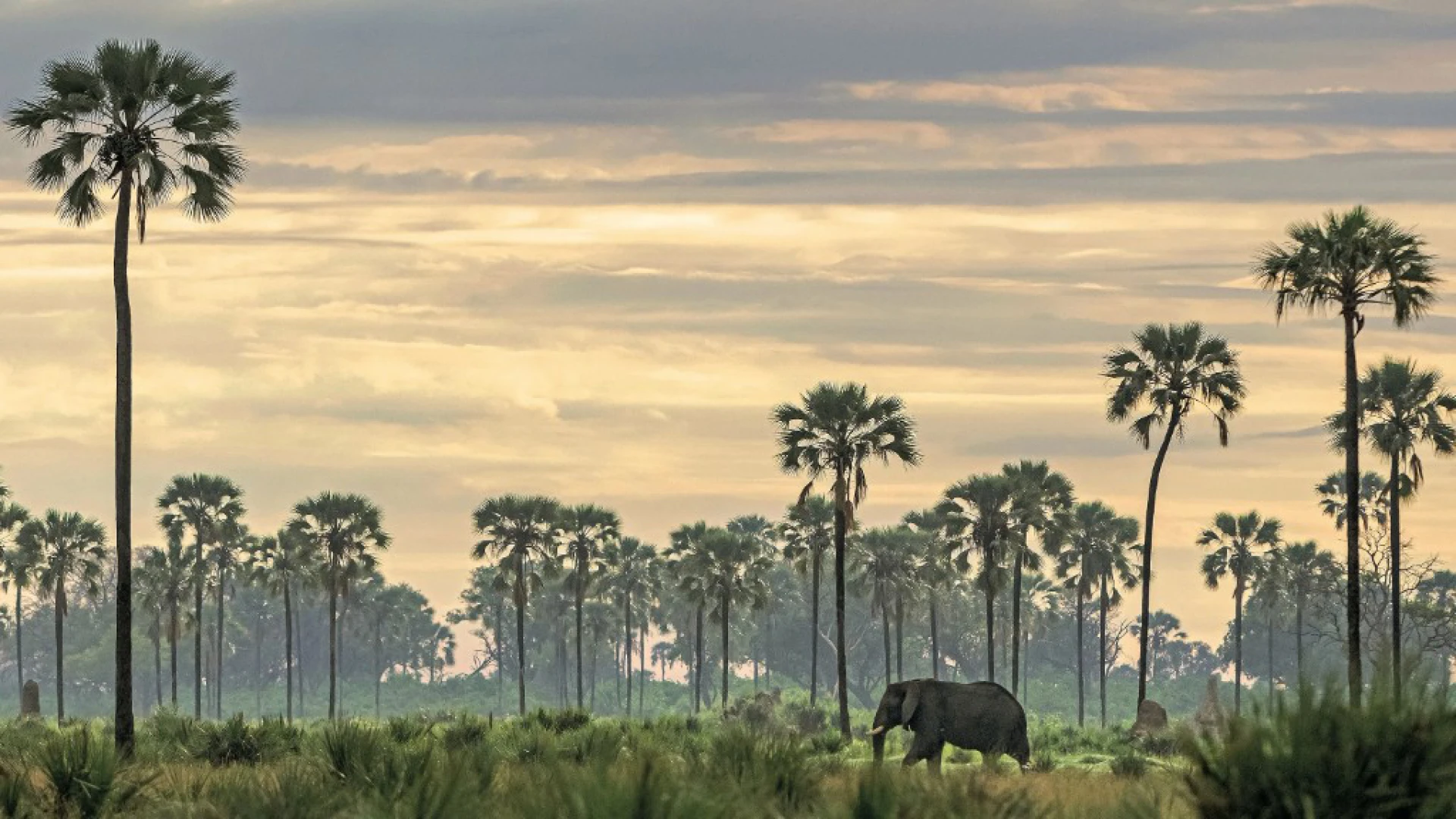
Uganda’s largest national park offers strong populations of elephants, buffalo, giraffes, lions, antelope, hippos, crocodiles, and excellent boat safari experiences.
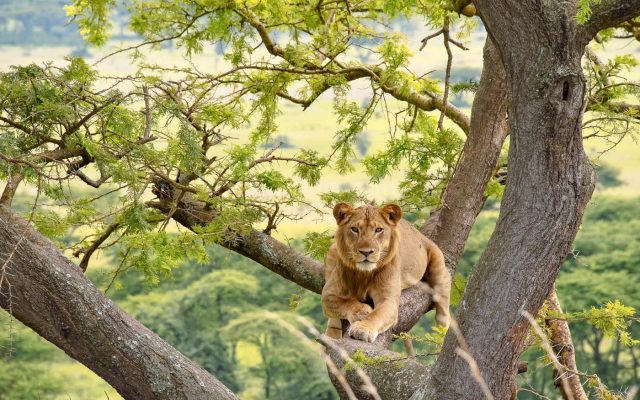
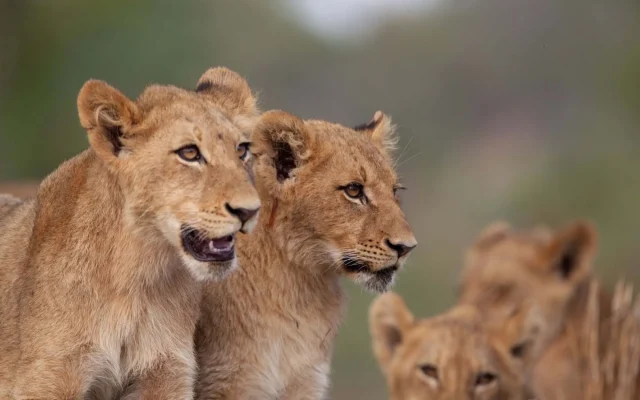
A highly diverse safari park known for game drives, the Kazinga Channel boat cruise, and famous tree-climbing lions.
One of Africa’s most remote safari destinations, often considered among the continent’s most authentic wilderness experiences.
Ideal for shorter safaris, walking safaris, zebras, and scenic relaxation.
Can You See the Big Five in Uganda?
Yes, Uganda offers the Big Five.
This includes:
- Lion
- Leopard
- Elephant
- Buffalo
- Rhino
Rhinos are typically visited at Ziwa Rhino Sanctuary, while lions, elephants, buffalo, and leopards are seen in major safari parks.
Although Big Five viewing infrastructure may be more commercially developed in Kenya or South Africa, Uganda absolutely delivers serious wildlife opportunities.
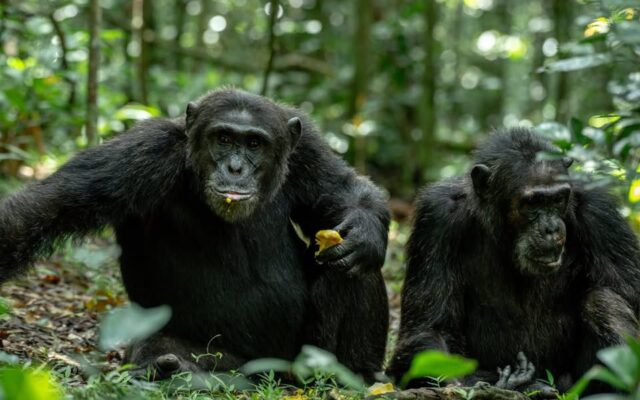
Uganda also excels in chimpanzee tourism.
Kibale Forest National Park is widely regarded as one of Africa’s best chimpanzee tracking destinations.
Chimpanzee experiences add:
- forest adventure
- primate diversity
- fast-moving photography challenges
- high-energy wildlife encounters
For travelers interested in primates, Uganda becomes exceptionally compelling.
Uganda Is One of Africa’s Best Birding Safari Destinations
Uganda is globally respected among birders.
With more than 1,000 bird species, Uganda offers extraordinary avian diversity relative to its geographic size.
Highlights include:
- Shoebill stork
- Albertine Rift endemics
- forest species
- wetland birds
- savannah raptors
This makes Uganda one of the strongest specialist birding safari destinations in Africa.
Uganda Is Less Crowded Than Some Famous Safari Destinations
One major advantage is lower tourist density.
Compared with iconic destinations like Masai Mara or Serengeti during peak season, Uganda’s parks often feel less congested.
Benefits include:
- more intimate wildlife experiences
- less vehicle crowding
- better photographic freedom
- stronger wilderness atmosphere
For travelers seeking authenticity rather than safari traffic, Uganda scores highly.
How Uganda Compares to Kenya and Tanzania
Uganda vs Kenya
Kenya is stronger for classic savannah spectacle and Great Migration-style experiences.
Uganda is stronger for primates, diversity, and mixed safari styles.
Uganda vs Tanzania
Tanzania excels in vast landscapes and high-volume predator viewing.
Uganda excels in experiential diversity and gorilla trekking.
Uganda’s Position
If you want one-dimensional wildlife spectacle, other destinations may dominate.
If you want variety and depth, Uganda is outstanding.
Is Uganda Good for First-Time Safari Travelers?
Yes, especially for travelers wanting memorable, immersive experiences.
Advantages include:
- English-speaking environment
- well-developed guided safari infrastructure
- strong private tour customization
- broad accommodation range
- spectacular biodiversity
Challenges include longer overland drives compared to some smaller safari circuits.
Uganda is a well-established safari destination with professional guiding infrastructure.
Safari areas are commonly visited by international travelers.
As with any destination, sensible precautions matter, but safari tourism itself is mature and well-supported.
Uganda can suit multiple budgets.
Budget-conscious travelers can access simpler itineraries, while luxury travelers have premium options.
Gorilla permits significantly influence pricing, but non-gorilla safaris can offer strong value.
Who Should Choose Uganda for Safari?
Uganda is especially ideal for:
- gorilla trekking travelers
- primate enthusiasts
- birdwatchers
- photographers
- adventure travelers
- repeat Africa travelers wanting something different
- families seeking varied wildlife
- luxury travelers wanting exclusivity
Who Might Prefer Other Safari Destinations?
Travelers whose sole priority is endless open plains, ultra-high predator density, or witnessing the Great Migration might prefer Kenya or Tanzania.
But for balanced safari richness, Uganda remains one of Africa’s strongest choices.
Final Verdict: Is Uganda Good for Safari?
Absolutely.
Uganda is one of Africa’s most compelling safari destinations because it combines experiences that are difficult to match elsewhere.
It is not simply “good” for safari—it is exceptional for travelers who value diversity, authenticity, and extraordinary wildlife encounters.

 Best
Seller
Best
Seller
 Best
Seller
Best
Seller
 Best
Seller
Best
Seller
 Best
Seller
Best
Seller