

Uganda Safari Packing List — Packing for a Uganda safari is not about bringing everything you own—it is about bringing the right layers, footwear, and small essentials for two very different environments: misty mountain forests where you trek gorillas and chimps, and open savannah where you sit on game drives in a 4×4. Get the basics right and you will be comfortable, safe, and free to focus on the wildlife.
This guide covers practical planning for Uganda Safari Packing List, with tips you can use when comparing options.
A clear plan around Uganda Safari Packing List helps you book permits, lodges, and transport with fewer surprises.
This packing list covers forest treks, game drives, lodge evenings, city transit through Entebbe or Kampala, and the practical items operators wish every guest carried. Use it alongside our step-by-step safari planning guide and seasonal timing guide for your travel month.
The golden rules of safari packing
Pack light, pack soft. Domestic flights and 4×4 vehicles have limited space. A medium soft duffel beats a hard suitcase—many lodges have no paved paths to rooms.
Think layers, not bulk. Mornings are cool, middays warm, and forest treks can swing between both within hours. Layering beats one heavy coat.
Neutral colours in the bush. Khaki, olive, tan, and muted green blend with the environment. Bright white flashes on forest walks; black attracts tsetse flies in some savannah areas.
Waterproof everything important. Uganda’s equatorial climate means rain is possible in any month—especially in Bwindi and Kibale. Dry bags or ziplock pouches protect phones and documents.
Clothing for gorilla and chimpanzee trekking
Forest treks are the most gear-sensitive days of your trip. Trails can be steep, muddy, and overgrown—you want protection without overheating.
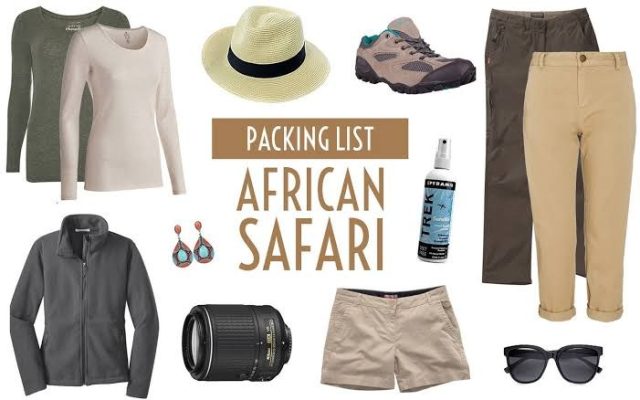
Long trousers: Lightweight hiking pants or convertible zip-offs. Thick enough to resist nettles and thorns.
Long-sleeved shirt: Breathable fabric protects arms from vegetation and insects. A moisture-wicking base layer works well.
Waterproof rain jacket: Compact and packable. Ponchos work but sleeves snag on branches—jackets are better in dense forest.
Sturdy hiking boots: The single most important item. Ankle support, good grip, and waterproofing (or quick-dry with gaiters). Break them in before you fly. Running shoes are not adequate for Bwindi’s slopes.
Gaiters or tuck trousers into socks: Red ants and safari ants are common on trails. Gaiters add mud protection too.
Thick socks: Wool or synthetic hiking socks—bring two pairs for trekking days.
Gardening gloves: Lightweight gloves help you grip vegetation on steep sections. Operators and rangers recommend them; they cost a few dollars locally if you forget.
Wide-brimmed hat or cap: For briefing areas and open trail sections.
Our gorilla trekking guide covers fitness and briefing-day logistics in more detail.
Clothing for game drives and lodge time
Game drives are relaxed compared to treks—you sit in a vehicle, often with a pop-up roof. Lodge evenings can feel surprisingly cool after sunset.
Lightweight trousers and shorts: Shorts work on drives; trousers are better for mosquito hours at dusk.
T-shirts and casual shirts: Cotton or moisture-wicking. One slightly smarter shirt for lodge dinners is enough—Uganda safari lodges are casual.
Fleece or light sweater: Early morning game drives start before sunrise and feel chilly in open vehicles.
Comfortable sandals or trainers: For lodge grounds and rest days. Keep trekking boots for forest days only—they stay muddy.
Swimwear: If your lodge has a pool (common at mid-range and luxury properties).
Rain gear and wet-season extras
If you travel in March–May or October–November—or any month with forest trekking—treat rain gear as non-optional.
Packable rain jacket and rain pants for trekking days. A small umbrella works at lodges but not on trails. Waterproof backpack cover or dry bag for camera gear. Extra ziplock bags for phone, passport, and cash. Quick-dry clothing dries overnight in most lodges when laundry service is unavailable.
Low-season trekkers save on permits (see our primate costs guide) but should invest in proper wet-weather kit.
Footwear summary
At minimum, bring two pairs: broken-in waterproof hiking boots for trekking and a comfortable second pair for drives and lodges. Some travelers add lightweight trail runners for easy walks. Flip-flops are fine for shower and lodge use only.
Health, toiletries, and medications
Insect repellent: DEET 30–50% or picaridin. Apply on treks and dusk hours. Savanna areas and forest edges have mosquitoes.
Sunscreen: SPF 30+ even on cloudy days—equatorial UV is strong.
Hand sanitiser and wet wipes: Useful on long road transfers and before meals on the go.
Personal medications: Bring enough for the full trip plus buffer days. Anti-malarial prophylaxis as prescribed by your travel clinic. Basic first aid: blister plasters, pain relief, anti-diarrhoea tablets, rehydration sachets.
Toiletries: Most mid-range lodges provide soap and shampoo. Community guesthouses may not—pack travel sizes.
Tissues or toilet paper: Handy at remote briefing points and public facilities.
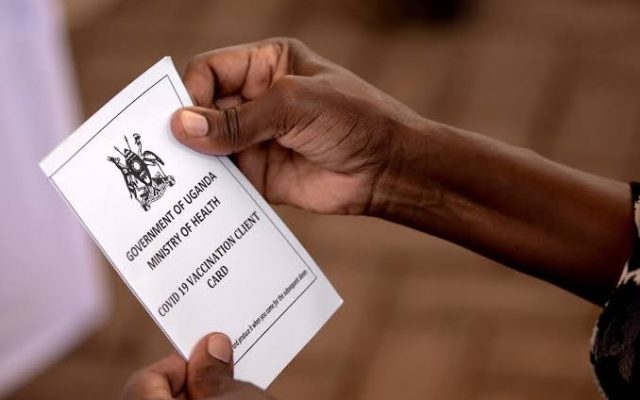
Consult a travel clinic 6–8 weeks before departure for yellow fever, hepatitis, typhoid, and routine boosters. Check current visa and vaccination requirements for your nationality.
Electronics and photography
Camera with extra batteries: Cold mornings and long days drain power. No flash photography is allowed with gorillas.
Binoculars: Game-changing for birding and distant wildlife on savannah drives. 8×42 is a good safari standard.
Phone and charging: Ugandan plug type G (British-style). Bring a universal adapter. Many lodges have limited outlets— a small power bank helps.
Headlamp or torch: Power cuts happen at budget lodges. Essential for finding your room after dark.
Dry bag: Protect electronics during rain and boat cruises on the Nile or Kazinga Channel.
Daypack contents for trekking days
Your main luggage stays at the lodge. Carry a small daypack (20–30 litres) with:
At least 2 litres of water—rangers may not carry spare. Energy snacks (nuts, bars). Rain jacket. Camera and binoculars. Insect repellent. Sunscreen. Gardening gloves. Cash for porter tip (USD 15–25) and ranger tip. Copies of permit confirmation and passport.
Porters are available at gorilla briefing points to carry your daypack on steep sectors. Hiring one supports local income and makes the trek easier.
Documents and money
Passport with 6+ months validity. Printed e-visa confirmation (if applicable). Yellow fever certificate if required for your routing. Travel insurance documents with emergency evacuation cover. Gorilla and chimp permit confirmations from your operator.
Carry USD in small bills (post-2006 notes) for tips and incidental purchases. ATMs work in Kampala and Entebbe; lodges in remote parks are cash-light. Cards are accepted at higher-end lodges but not everywhere.
What lodges usually provide
Mid-range and luxury safari lodges typically supply bed linen, towels, mosquito nets or screened rooms, and meals on full-board packages. Rubber boots are sometimes available for trekking but fit and hygiene vary—your own boots are more reliable.
Budget guesthouses near Bwindi may offer basic rooms without toiletries or reliable hot water. Check your operator’s property list and pack accordingly.
What not to bring
Drone aircraft without prior UWA permission. Plastic bags—Uganda restricts single-use plastic bags at entry points. Bright or camouflage military-style clothing (camouflage is discouraged for civilians). Excessive jewellery and valuables you do not need. Hard-shell large suitcases if your itinerary includes small aircraft or tight 4×4 boots.
Packing list by bag
Checked duffel (15–20 kg typical limit on domestic flights): Clothing layers, boots, toiletries, spare shoes, swimwear, fleece, hat.
Daypack for daily activities: Water, snacks, rain gear, camera, repellent, sunscreen, gloves, tips.
Carry-on or personal item: Passport, documents, medications, one change of clothes, charger, power bank, valuables.
Seasonal adjustments
Dry season (June–September, December–February): Lighter clothing, still pack rain jacket for forest. Dust on savannah drives—bring a bandana or buff.
Wet season (March–May, October–November): Extra quick-dry clothing, rain pants, gaiters, waterproof bag covers, zip-lock everything. Muddy boots need a brush or plastic bag before storing in your duffel.
Final checklist before you fly
Broken-in hiking boots. Long trousers and long sleeves for trekking. Rain jacket. Insect repellent and sunscreen. Binoculars. Headlamp. Adapters and power bank. Documents and insurance. Small USD bills for tips. Daypack. Light neutral clothing for drives. Fleece for cold mornings.
Pack smart and you will spend your energy on mountain gorillas, chimpanzees in Kibale, and lions on the plains—not on uncomfortable feet and soaked paperwork.
Questions about gear for your specific itinerary? Contact Lion on the Rocks Safaris or browse Uganda safari packages—we will advise on what your route and lodges require.

 Read
Read