Uganda Primate Safari Cost — Primate safaris are the heart of most Uganda itineraries—and they are also where your budget is decided. Gorilla and chimpanzee permits are fixed government fees set by the Uganda Wildlife Authority (UWA). Lodges, vehicles, and flights are flexible. Understanding that split helps you plan a trip that feels right without nasty surprises at checkout.
This guide covers practical planning for Uganda Primate Safari Cost, with tips you can use when comparing options.
A clear plan around Uganda Primate Safari Cost helps you book permits, lodges, and transport with fewer surprises.
This guide breaks down what primate experiences actually cost in 2026, how low-season discounts work, and what else you should budget beyond the permit itself.
Why primate permits dominate your safari budget
On a typical Uganda gorilla trekking itinerary, the permit is often the single largest line item—sometimes more than several nights of mid-range lodging combined. That is not a markup from tour operators; UWA sets the price and channels revenue toward conservation, ranger salaries, community benefit-sharing, and anti-poaching work.
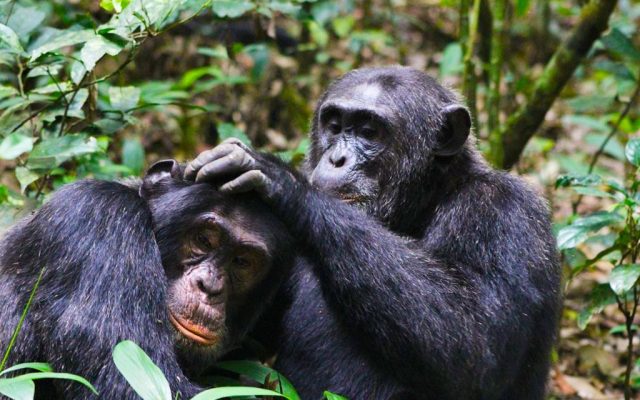
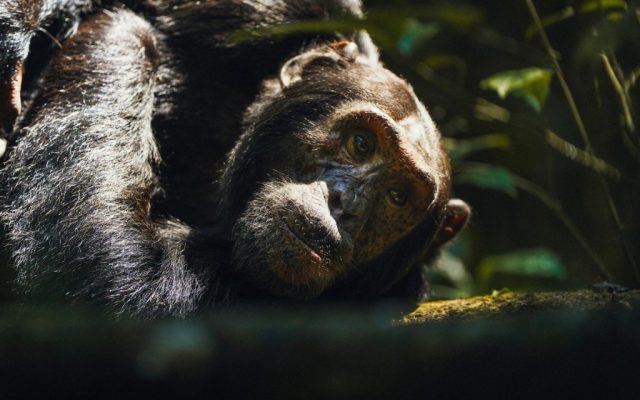
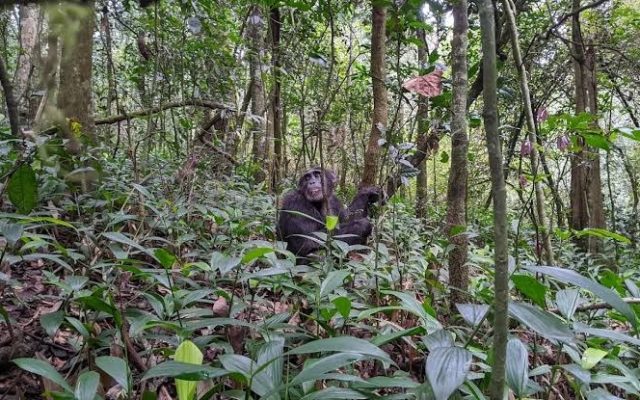
Chimpanzee trekking is more affordable than gorillas, but still a meaningful cost—especially if you add Kibale, Budongo, or Kyambura to a longer gorilla and chimpanzee safari. Golden monkey tracking in Mgahinga is a smaller add-on that pairs well with a gorilla day.
Uganda gorilla permit prices in 2026
For foreign non-residents, the standard gorilla trekking permit costs USD 800 per person during high season. Foreign residents pay USD 700. East African Community citizens pay UGX 300,000 (roughly USD 80 at typical exchange rates).
UWA reintroduced low-season discounted gorilla permits for treks in April, May, and November. During those months, foreign non-residents pay USD 600 and foreign residents pay USD 500—a saving of USD 200 per person. Low-season permits are typically non-reschedulable, so only book them if your dates are firm.
About 160 gorilla permits are issued daily across Bwindi Impenetrable National Park and Mgahinga. Each permit covers one trek and a regulated one-hour encounter with a habituated mountain gorilla family. Trekking is limited to visitors aged 15 and older.
Gorilla habituation: a premium alternative
Standard trekking gives you one hour with the gorillas. The gorilla habituation experience allows up to four hours with a family still being habituated—fewer slots, more time in the forest, and a higher fee.
From July 2026, UWA’s revised tariff sets gorilla habituation at USD 1,800 for foreign non-residents, USD 1,600 for foreign residents, and USD 1,000 for Rest of Africa citizens. Only a handful of habituation permits are available each day in Bwindi’s southern sectors, so they sell out early.
Chimpanzee permit costs across Uganda
Chimpanzee pricing depends on which forest you visit. Kibale National Park is Uganda’s flagship chimp destination and carries the highest permit fee.
As of 2026, chimpanzee tracking in Kibale costs USD 300 for foreign non-residents in high season, with a low-season rate of USD 200 in April, May, and November. Foreign residents pay USD 200 (high) or USD 150 (low). The chimpanzee habituation experience in Kibale runs USD 400 for foreign non-residents.
Chimp trekking in Budongo Forest (near Murchison Falls) and Kyambura Gorge (in Queen Elizabeth) is usually less expensive than Kibale, though prices vary by site and season. Our Kibale vs Budongo vs Kyambura comparison explains which forest fits your route and budget.
Other primate activities and add-ons
Golden monkey tracking in Mgahinga costs far less than gorilla permits and works well as a second primate morning after your trek. Colobus and other primate walks in Kibale or around Lake Mburo are optional extras with modest fees.
Do not forget park entrance fees on top of activity permits. UWA charges daily entry per person for each national park on your itinerary—typically USD 40–45 per day for foreign non-residents at major savannah parks, with separate rates for primate forests. Your operator should list these clearly in a quote.
What the permit fee does not include
A gorilla or chimp permit covers the guided forest activity and ranger support. It does not include:
Transport to the park (often 8–10 hours by road from Entebbe to Bwindi, or a domestic flight plus road transfer), accommodation the night before trekking (you must be at the briefing point by 7:30 a.m.), meals, porter hire (USD 15–25, optional but helpful on steep trails), tips for guides and rangers, or travel insurance.
Most travelers book through a licensed Ugandan tour operator who bundles permits, lodging, 4×4 transport, and a driver-guide. A bare permit alone does not make a workable safari—you still need logistics for briefing times, sector allocation, and backup days if weather delays travel.
How to book permits and avoid disappointment
Foreign visitors book primate permits through licensed tour operators registered with UWA. As of early 2026, UWA requires full payment at booking—the old seven-day reservation hold was discontinued—so planning ahead matters more than ever.
For peak travel windows (June–September and December–February), secure gorilla permits 3–6 months ahead, or longer for Christmas and European summer holidays. Low-season months can have last-minute availability, but never count on it if your dates are fixed.
When comparing quotes, ask whether the permit is confirmed or “subject to availability.” A low price with an unissued permit is a risk. Reputable operators secure the permit first, then build lodging and transport around your trekking date and sector.
Smart ways to manage primate safari costs
Travel in a small group. Vehicle and guide costs are shared; permits are per person regardless of group size.
Consider low season. April, May, and November offer discounted gorilla and Kibale chimp permits. Trails are muddier, but the forest is lush and crowds are thinner. See our best time to visit Uganda for safari guide for month-by-month trade-offs.
Combine strategically. One gorilla trek is enough for most first-time visitors. Add one chimp trek rather than multiple primate days unless you are a serious primate enthusiast.
Choose road vs fly-in. A fly-in gorilla safari saves time but adds flight cost. Road transfers from Entebbe or Kigali are slower but cheaper.
Putting it together: sample primate cost picture
For a foreign non-resident on a mid-range 5-day gorilla-and-chimp itinerary in high season, expect roughly:
Gorilla permit USD 800, Kibale chimp permit USD 300, park entries and activity fees USD 100–150, mid-range lodging USD 150–250 per night, private 4×4 and guide USD 180–250 per day, plus meals and tips. Total land cost often lands around USD 2,800–4,200 per person depending on lodging tier and group size—before international flights.
That is why we publish a broader Uganda safari cost overview alongside this primate-specific breakdown. The permit is fixed; everything else is where your choices matter.
Plan your primate safari with clear pricing
At Lion on the Rocks Safaris, we quote with itemized permits, park fees, and lodging so you know exactly what you are paying for before you travel. Browse Uganda safari itineraries or contact us with your travel month and group size—we will check permit availability and build a primate route that fits your budget.

 Read
Read