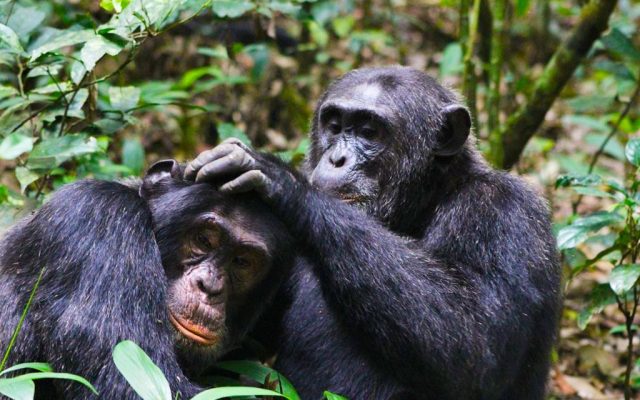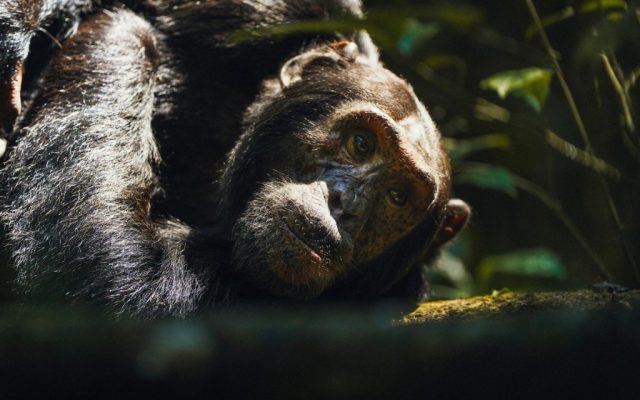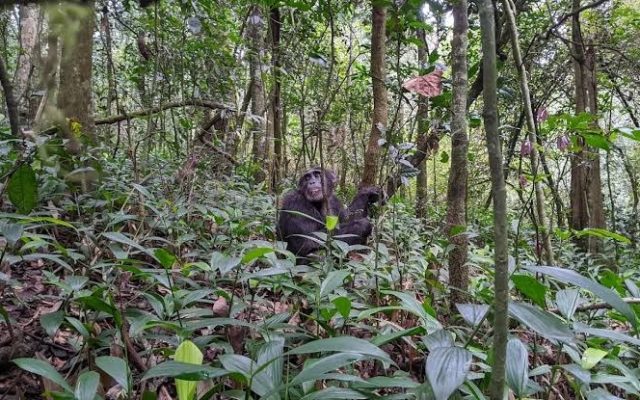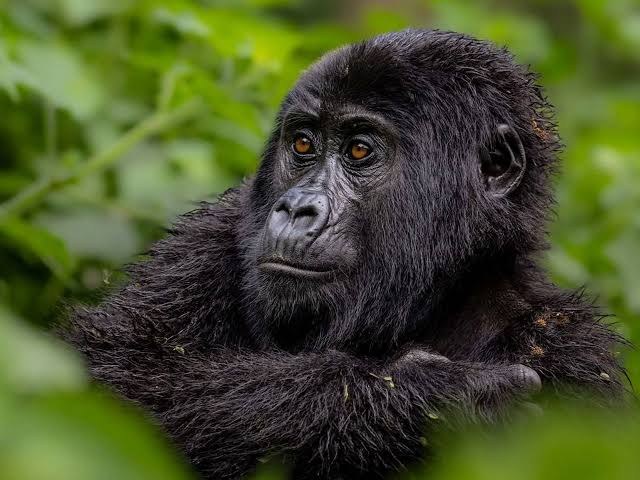
Uganda Gorilla Trekking and Chimpanzee Safari — Mountain gorillas and chimpanzees are Africa’s two most sought-after primate encounters, and Uganda is one of the only countries where you can experience both on a single visa, in a single week, without crossing borders. The combination works because the experiences feel different: gorilla trekking in Bwindi Impenetrable National Park is slow, steep, and profoundly intimate; chimpanzee tracking in Kibale is faster, noisier, and often chaotic in the best way—drumming, calling, and swinging through the canopy above your head.
This guide covers practical planning for Uganda Gorilla Trekking and Chimpanzee Safari, with tips you can use when comparing options.
A clear plan around Uganda Gorilla Trekking and Chimpanzee Safari helps you book permits, lodges, and transport with fewer surprises.
Planning a gorilla trekking and chimpanzee safari is less about ticking two boxes and more about pacing two physically demanding days across a route that does not waste hours on backtracking. Permits, lodge locations, drive times, and recovery days between treks all shape whether the trip feels exhilarating or exhausting.
This guide from Lion on the Rocks Safaris explains how to combine gorillas and chimps intelligently—sample routes, realistic durations, permit costs, and the mistakes we see most often when travelers try to compress too much into too few days.
Why Combine Gorillas and Chimpanzees?
Uganda’s primate diversity is unmatched in East Africa. Bwindi protects nearly half the world’s remaining mountain gorillas. Kibale holds the continent’s highest chimpanzee density. Stacking both on one itinerary gives you two apex wildlife moments that Rwanda or Tanzania alone cannot replicate at the same price point—especially with gorilla permits at USD 800 (foreign non-residents, current UWA tariff) and chimp permits at USD 250 in Kibale.
The emotional contrast enriches the journey. Gorillas tend toward calm observation in dense undergrowth; chimps move constantly, vocalise, and interact in ways that feel almost theatrical. Travelers who do both consistently rank the pairing above either trek in isolation.
permits.Permits, Ages, and Health Rules
Both activities require advance permits from the Uganda Wildlife Authority. Gorilla permits are the scarcer resource—book three to six months ahead for June–September and December–February. Chimp permits at Kibale fill on a similar timeline; Budongo and Kyambura are somewhat easier but should not be left to the last minute.
Minimum age is 15 for gorillas and 12 for chimps. Families with younger children need to plan around that gap—often with a savannah day or community visit while parents trek. Health protocols are strict: respiratory illness, open wounds, or diarrhoea can disqualify you on trek morning to protect the apes. Build a rest day after long drives before your first primate trek.
Sample Itineraries
5-Day Gorilla and Chimp Safari
The tightest practical combo. Day 1: Entebbe to southwestern Uganda (or fly to Kihihi/Kisoro). Day 2: gorilla trekking in Bwindi. Day 3: Transfer north toward Kibale via Queen Elizabeth or Fort Portal. Day 4: chimpanzee tracking at Kibale. Day 5: Return to Entebbe. This works for focused primate travelers who accept longer driving days. Flying one leg—Entebbe to Kihihi or Kisoro—cuts road fatigue significantly.
6-Day Gorillas, Chimps and Wildlife
Adds breathing room and savannah variety. Typical flow: Entebbe → Queen Elizabeth (Kazinga boat, game drive) → Kibale chimps → Bwindi gorillas → Entebbe or Lake Bunyonyi. The extra day lets you recover between treks and enjoy hippos, elephants, and tree-climbing lions without rushing.
8–11 Day Classic Western Circuit
The full Uganda story: Entebbe → Murchison Falls (optionally Budongo chimps) → Kibale → Queen Elizabeth → Bwindi gorillas → Lake Bunyonyi relaxation. Eleven days allows Murchison without compressing primate days. This is our most requested route for first-time visitors who want gorillas, chimps, and Big Five country in one trip.
bwindi-kibale.Routing and Lodge Logic
Bwindi has four trekking sectors—Buhoma, Ruhija, Rushaga, and Nkuringo—and your permit locks you to one. Lodges should sit near that briefing point; otherwise you add pre-dawn driving on trek day. Kibale lodges cluster around Kanyanchu and Bigodi; Fort Portal town works for budget stays with a 30–45 minute transfer.
The drive between Bwindi and Kibale takes roughly six to eight hours depending on sector and road conditions. Queen Elizabeth sits between them and breaks the journey naturally. Many travelers trek chimps before gorillas (north to south) or the reverse; either works if you avoid scheduling both treks on consecutive days without a transfer buffer.
Entering via Kigali, Rwanda suits southern Bwindi sectors (Rushaga, Nkuringo) and Mgahinga—roughly three to four hours to the border—but reaching Kibale from there adds a long westward drive. Entebbe remains the better gateway for full gorilla-plus-chimp circuits.
What to Pack and How to Pace
Both treks demand waterproof hiking boots, gaiters, long sleeves, and a daypack. Gorilla trails are steeper; hire a porter at both sites. Schedule chimps on the day after a long transfer, not the morning you arrive from an international flight. If you want a third primate experience, golden monkey tracking at Mgahinga pairs with gorilla trekking in the same park at lower physical cost.
Common Planning Mistakes
Booking lodges in the wrong Bwindi sector. Trying gorillas and chimps on back-to-back days after an eight-hour drive. Skipping permit reservations before flights. Underestimating mud in rainy months—treks still run, but trails are harder. Adding every park on the map instead of choosing two primate days and two savannah days.
Done well, a gorilla and chimpanzee safari is the defining Uganda journey. Browse our Uganda safari packages, compare Kibale vs Budongo vs Kyambura for your chimp day, and contact Lion on the Rocks Safaris to match permits, lodges, and drive times to your dates. For seasonal timing, see best time to visit Uganda.

 Read
Read