Best Time to Visit Uganda for Safari — Uganda is a year-round safari destination, but not every month feels the same on the ground. Rain turns forest trails slick, dry spells concentrate wildlife around waterholes, and peak holiday weeks can make gorilla permits scarce months in advance. Choosing the right travel window shapes everything from trekking difficulty to lodge availability and total trip cost.
This guide covers practical planning for Best Time to Visit Uganda for Safari, with tips you can use when comparing options.
A clear plan around Best Time to Visit Uganda for Safari helps you book permits, lodges, and transport with fewer surprises.
The good news: there is no single “bad” month to visit. Each season offers genuine advantages. This guide walks through Uganda’s dry and wet seasons, month-by-month practical notes, and how to match timing to gorillas, chimps, savannah game drives, and birding.
Uganda’s two dry seasons and two wet seasons
Uganda sits on the equator, so temperatures stay mild year-round—typically 20–28°C (68–82°F) in most safari areas. Rainfall, not temperature, defines the seasons.
Dry seasons: roughly December to February and June to September. Skies are clearer, trails firmer, and roads more reliable. Wildlife gathers at rivers and waterholes, making game drives more productive. These are the busiest and most expensive months.
Wet seasons: roughly March to May (long rains) and October to November (shorter rains). Afternoon downpours are common, vegetation is lush, and forest treks can be muddier. Crowds thin out, lodge rates soften, and UWA offers discounted gorilla and chimp permits in April, May, and November.
Regional variation matters. Southwestern forests around Bwindi and Kibale can receive rain in any month—Bwindi’s montane climate is notoriously unpredictable. Northern parks like Murchison Falls and Kidepo follow a more pronounced dry-wet rhythm.
Best months for gorilla trekking
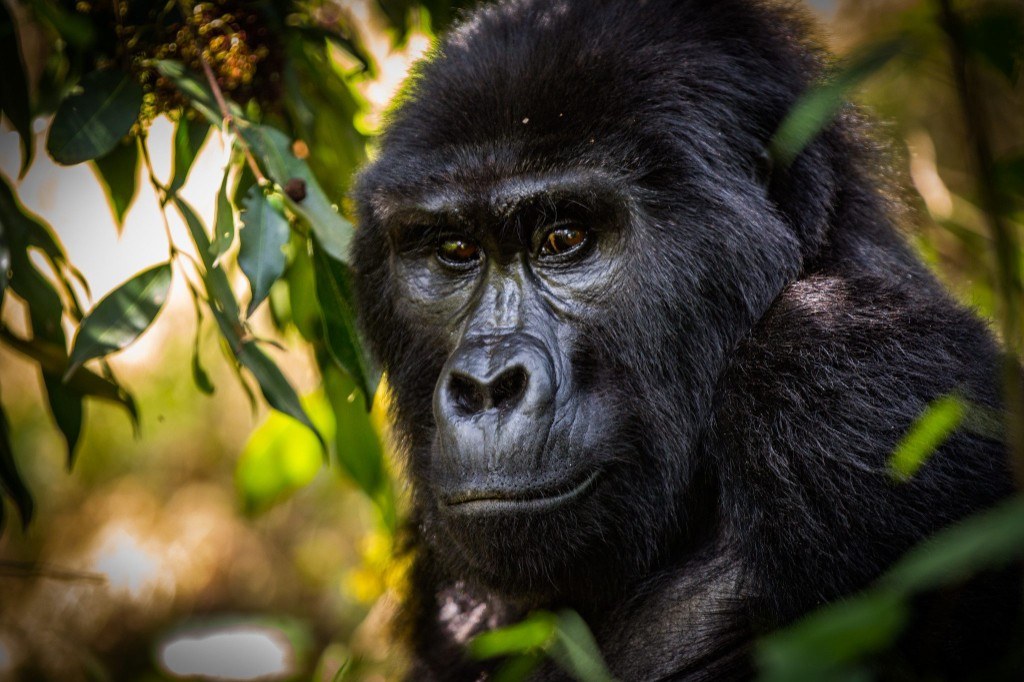
Mountain gorillas do not migrate with seasons—they live in the forest year-round. Your trekking experience depends on trail conditions and how much rain falls the night before.
June, July, August, and September are the most popular trekking months. Trails are generally drier, photography light is good, and travel logistics are smoother. Permits sell out early—book 3–6 months ahead, longer for August.
December, January, and February form the second dry window. January and February are excellent for combining gorillas with savannah parks. Christmas and New Year weeks are peak demand; book lodges and permits well in advance.
April, May, and November are the low-season discount months. Gorilla permits drop from USD 800 to USD 600 for foreign non-residents. Trails are muddier and rain gear is essential, but the forest is vibrantly green and fewer visitors share the paths. Low-season permits are typically non-reschedulable.
October and early November sit in a shoulder zone—rains increase but the landscape is spectacular. March is transitional as the long rains begin.
Best months for chimpanzee trekking
Chimpanzee tracking follows similar logic to gorillas. Kibale National Park—home to Africa’s highest chimp density—is productive year-round, but dry months offer easier walking and better photography.
June through September and December through February are ideal for combining Kibale chimps with gorillas and Queen Elizabeth game drives on a single western circuit. Low-season Kibale permits drop to USD 200 (from USD 300) in April, May, and November.
Budongo Forest near Murchison and Kyambura Gorge in Queen Elizabeth are good alternatives with their own seasonal patterns. Our chimp trekking comparison guide helps you pick the right forest for your month and route.
Best months for savannah wildlife and game drives
Classic safari game viewing improves in dry months when animals congregate near permanent water.
Murchison Falls National Park: Dry season (December–February, June–September) delivers excellent game drives on the northern bank and strong hippo and crocodile sightings on the Nile boat cruise. The falls themselves are dramatic year-round.
Queen Elizabeth National Park: Kasenyi Plains game drives and the Kazinga Channel boat safari peak during dry months. The Ishasha tree-climbing lions are present year-round, though road access to Ishasha is easier in drier conditions.
Kidepo Valley National Park: Remote and semi-arid, Kidepo shines brightest in dry season when wildlife clusters at the Narus Valley waterholes. Wet season travel is possible but road conditions demand a capable 4×4 and extra time.
Lake Mburo is a compact year-round option—ideal for a first or last safari day near Entebbe or Kampala.
Month-by-month snapshot
January–February: Dry, warm, excellent all-round safari month. Wildlife viewing strong in savannah parks. Gorilla and chimp permits competitive—book early.
March: Rains begin. Fewer visitors, lower lodge rates. Trails still manageable early in the month. Good value if you accept occasional showers.
April–May: Peak long rains. Muddy trekking, discounted gorilla and chimp permits, lush scenery. Best for flexible travelers and birders. Some remote roads become challenging.
June: Rains taper. Trails improve quickly. Start of peak season—permits and lodges begin filling.
July–August: Peak dry season. Best overall conditions for first-time visitors combining primates and savannah. Highest prices and tightest availability.
September: Still dry in most areas. Slightly fewer visitors than August. Excellent month with marginally better permit availability.
October: Short rains return. Shoulder pricing. Forest treks wetter but rewarding. Strong birding as migrants arrive.
November: Low-season permit discounts apply. Green landscapes, fewer crowds. Plan extra buffer time for road transfers.
December: Early month is wetter; conditions improve toward Christmas. Holiday peak from mid-December—book permits and lodges months ahead.
Best time for birdwatching
Uganda is one of Africa’s top birding destinations with over 1,000 species. While birding works year-round, November through April brings migratory species and breeding plumage. Wet months mean more insect activity and forest fruit, which keeps birds active—serious birders often prefer green season despite the rain.
If your itinerary is primarily primate-focused with birding as a secondary interest, dry months still deliver plenty of sightings on game drives and boat cruises.
How season affects your budget
Timing directly impacts cost. Peak dry-season travel means higher lodge rates and USD 800 gorilla permits. Low-season months (April, May, November) offer USD 200 off gorilla permits and discounted Kibale chimp permits, plus softer lodge pricing.
For a couple trekking gorillas in November versus August, permit savings alone reach USD 400 combined—before lodge discounts. See our Uganda safari cost guide and primate permit breakdown for full numbers.
Matching season to your travel style
First-time visitors with fixed vacation dates: Aim for June–September or December–February. You get the most predictable conditions across multiple parks on a 7–10 day circuit.
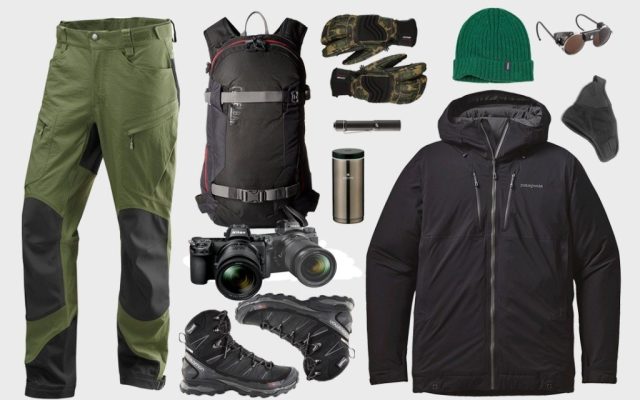
Budget-conscious travelers with flexible dates: April, May, or November maximize permit savings and lodge value. Pack proper rain gear and build an extra half-day buffer for road transfers.
Photographers: Dry months offer cleaner light and thinner vegetation for wildlife shots. Wet months deliver dramatic misty forest scenes and vivid greens for primate photography.
Families: Dry months simplify logistics with children (remember gorilla trekking minimum age is 15). Families with younger children can focus on game drives and boat cruises year-round.
Birders: November–April green season, accepting rain in exchange for migrant species and active forest birding.
Practical booking timelines by season
For July, August, December, and January travel, start planning 4–6 months ahead—gorilla permits, popular lodges, and good driver-guides all tighten.
For shoulder months (March, June, September, October), 2–3 months is usually sufficient.
For low season (April, May, November), 4–8 weeks can work, though we still recommend earlier booking for the best lodge selection.
UWA now requires full payment at permit booking with no grace hold period, so confirmed dates matter more than ever.
Can you combine Uganda with Rwanda or Kenya?
Seasonal planning extends beyond Uganda if you are routing through Kigali for gorillas or adding a Kenya extension. The June–September and December–February windows align well across East Africa. Wet months make cross-border road transfers slower—factor extra time or consider flying.
A combined primate safari within Uganda alone is usually simpler to schedule than multi-country trips because one operator coordinates permits, parks, and lodging on a single timeline.
Our recommendation
If you want the easiest all-round experience and can book early, late June through September or January through mid-February are hard to beat. If you want strong value, thinner crowds, and do not mind mud, April, May, or November reward flexible travelers with meaningful savings.
Uganda’s equatorial climate means rain can fall in any month—pack a light rain jacket regardless. The right season is the one that matches your budget, fitness for trekking, and tolerance for afternoon showers.
Ready to pick dates? Browse Uganda safari itineraries, read our best time to visit Uganda hub, and contact Lion on the Rocks Safaris to check permit availability for your preferred month.

 Read