

How to Plan a Uganda Safari — Uganda rewards travelers who plan ahead. A well-built itinerary turns a scattered list of parks and permits into a trip that flows—gorilla mornings in misty forest, afternoon boat cruises on the Nile, and evenings at lodges that actually match your budget. Whether you have five days or fifteen, the planning sequence is roughly the same. Work through these steps in order and you will avoid the mistakes that cost people permits, sleep, or entire travel days.
This guide covers practical planning for How to Plan a Uganda Safari, with tips you can use when comparing options.
A clear plan around How to Plan a Uganda Safari helps you book permits, lodges, and transport with fewer surprises.
Step 1: Decide what you want to see
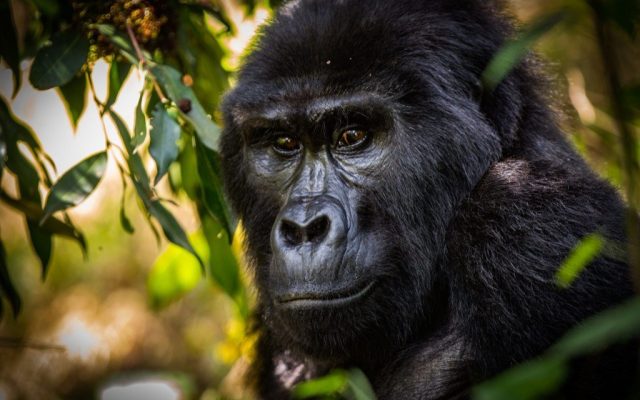
Uganda is compact on a map but varied in experience. Most first-time visitors want a combination of primates and classic savannah wildlife. Gorilla trekking in Bwindi Impenetrable National Park or Mgahinga Gorilla National Park is the headline draw for many travelers. Chimpanzee tracking in Kibale National Park adds another layer. On the savannah side, Queen Elizabeth National Park and Murchison Falls National Park deliver elephants, lions, hippos, and prolific birdlife.
Write down your non-negotiables before you look at dates or prices. If gorillas are the reason you are coming, build everything around permit availability. If you are traveling with children or older relatives, factor in road time and trekking difficulty. If photography is the priority, allow extra days in parks with varied habitats. Clarity at this stage saves money later.
Step 2: Choose your travel window
Uganda sits on the equator, so temperatures stay relatively steady year-round. What changes is rainfall, road conditions, and how muddy forest trails become. The drier stretches—roughly December through February and June through September—generally suit gorilla trekking and long drives better. The wetter months can still work well and often mean fewer visitors, but trails in Bwindi get slick and some lodge access roads turn slow.
Read our best time to visit Uganda for safari guide for month-by-month detail. Align your window with school holidays if you are traveling as a family, and remember that peak season gorilla permits sell out months ahead.
Step 3: Set a realistic budget
A Uganda safari price is not just accommodation and a vehicle. Gorilla permits alone are a major line item—currently USD 800 per person for foreign non-residents—and chimpanzee permits, park entry fees, boat cruises, and charter flights add up quickly. Road transfers between southwestern parks and Entebbe can eat two full days if you are not careful with routing.
Our Uganda safari cost guide breaks down where money goes. Decide early whether you prefer mid-range lodges, luxury camps, or a mix. That choice affects which parks fit comfortably in your timeframe.
Step 4: Book gorilla and chimp permits early
Uganda Wildlife Authority allocates a limited number of gorilla trekking permits per day across Bwindi’s sectors and Mgahinga. Once your travel dates are firm, secure permits immediately. Reputable operators such as Lion on the Rocks Safaris handle permit purchase on your behalf, but availability is never guaranteed at the last minute—especially for June–September and December–January.
Chimpanzee permits in Kibale are also capped daily. If chimps matter to your trip, book them in the same breath as gorilla permits. Habituation experiences cost more and have even tighter availability.
Step 5: Design a logical route
Uganda’s classic circuits follow geography, not wishful thinking. A popular pattern flies or drives from Entebbe to the southwest for gorillas, then works north through Queen Elizabeth and Kibale, or heads straight to Murchison in the north. Looping the entire country in a week is possible on paper and miserable in practice.
Count driving hours honestly. Entebbe to Bwindi is often eight to ten hours by road. Domestic flights to Kihihi or Kisoro shave a day but add cost. A good operator maps daily distances, suggests overnight stops, and avoids backtracking. Browse ready-made Uganda safari itineraries for inspiration, then adjust.
Step 6: Sort entry requirements and health prep
Before you pay deposits on lodges, confirm you can enter Uganda smoothly. Most nationalities need an e-visa applied online before departure, a passport valid at least six months, and proof of yellow fever vaccination. Airlines may refuse boarding without visa approval and a vaccination certificate.
Our dedicated guides cover Uganda visa requirements and safety for tourists in depth. Schedule a travel-clinic visit six to eight weeks before departure for yellow fever and discuss malaria prophylaxis, typhoid, and hepatitis vaccines with a professional.
Step 7: Choose accommodation that matches your days
Lodge location matters as much as star rating. Near Bwindi, staying close to your trekking sector can mean an extra hour of sleep on trek morning—a real advantage at altitude. In Queen Elizabeth, lodges inside or near the park cut transfer time for dawn game drives. Read recent reviews, confirm power and hot water expectations, and ask whether meals are included.
Mix one splurge night with practical mid-range stays if budget is tight. The goal is rest: early starts are standard on safari, and fatigue dulls the experience.
Step 8: Pack and prepare for varied terrain
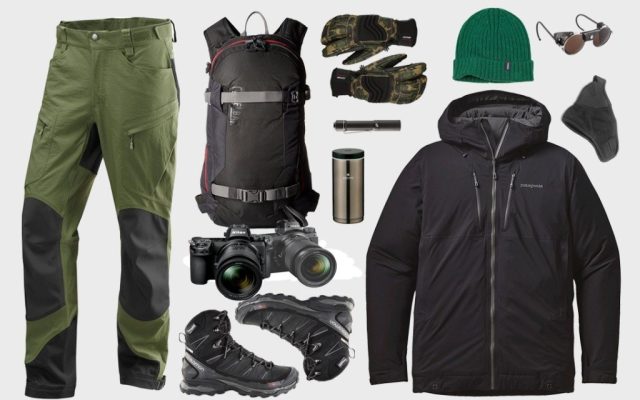
Forest treks and savannah game drives demand different clothing. Waterproof hiking boots, gaiters, and long trousers protect you in Bwindi; lightweight layers and a sun hat work on open plains. Neutral colours—khaki, olive, brown—are best. Avoid camouflage patterns, which are restricted in Uganda.
See what to wear on safari in Uganda and our packing list for full detail. Charge camera batteries, carry binoculars, and bring a small daypack for trek days.
Step 9: Confirm transport and on-the-ground support
Self-driving in Uganda is possible for experienced Africa travelers but most safari guests use a driver-guide in a 4×4 pop-top safari vehicle. Good guides interpret behaviour, know where lions were seen yesterday, and handle park paperwork. Confirm vehicle type, seat layout, and whether drinking water is supplied daily.
Share dietary needs, mobility limitations, and celebration dates with your operator in writing. If you are arriving on a late flight, pre-book an Entebbe night so you are not starting a twelve-hour drive at midnight.
Step 10: Travel with flexibility and a clear emergency plan
Even perfect plans meet rain, flight delays, or a gorilla family that moves farther up the slope. Build one buffer day if you can. Carry printed copies of permits, e-visa approval, and insurance documents. Save your operator’s local phone number and know the nearest clinic for serious issues—rural park areas have limited facilities.
Uganda’s tourism infrastructure has matured considerably. Parks are managed by Uganda Wildlife Authority, lodges meet international guests daily, and specialist operators coordinate the moving parts. The travelers who enjoy it most are not the ones with the longest wish lists—they are the ones who planned permits, routes, and realistic pacing first.
Ready to turn these steps into a dated itinerary? Contact Lion on the Rocks Safaris or browse Uganda safari packages to start with a framework you can customise.

 Read
Read