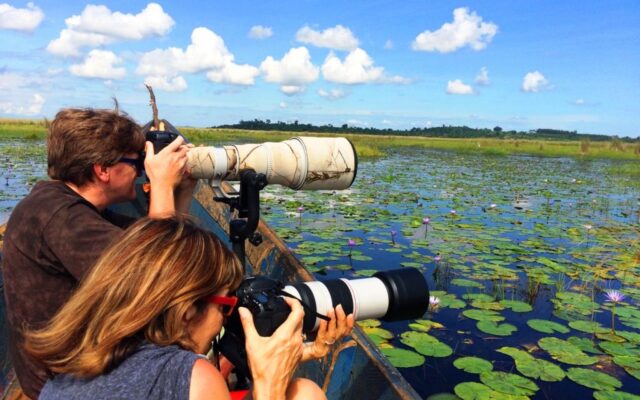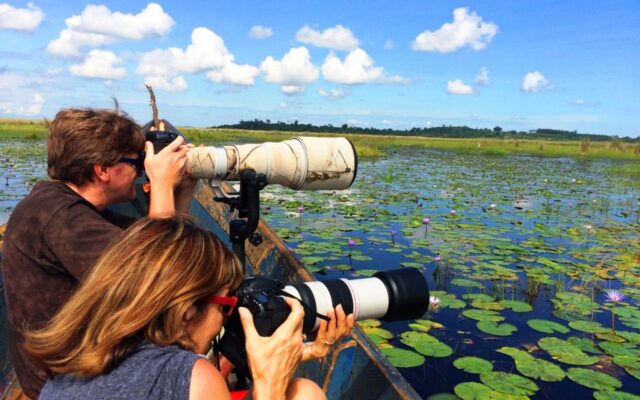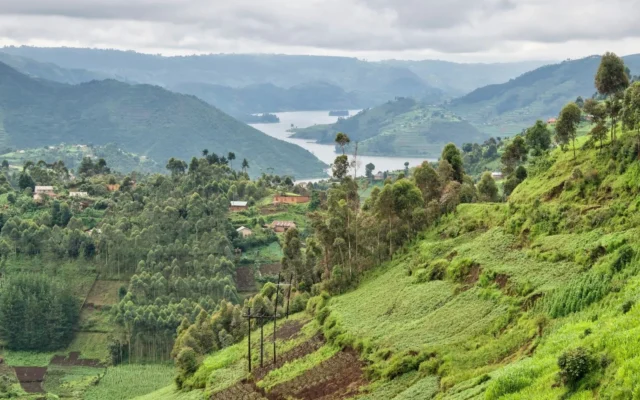

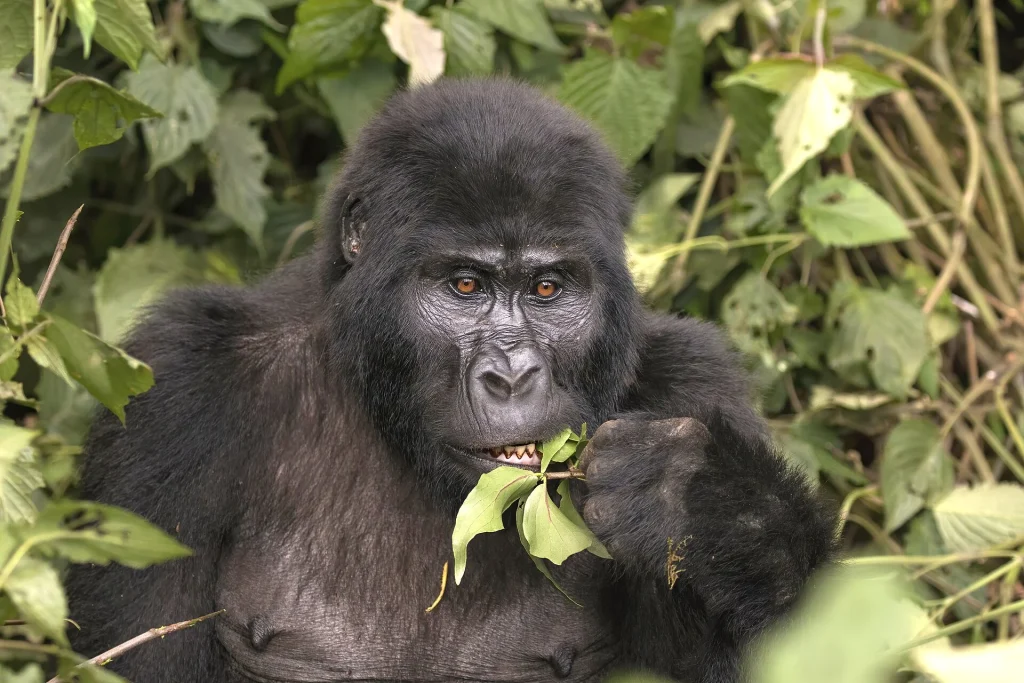
Driving in Uganda can be one of the most rewarding ways to explore the Pearl of Africa. From the bustling streets of Kampala and Entebbe to the remote wilderness roads of Kidepo Valley National Park, Uganda offers travelers an opportunity to experience the country at their own pace while discovering its diverse landscapes, wildlife, cultures, and hidden attractions.
Uganda’s road network connects major cities, national parks, mountain regions, lakes, forests, and cultural sites, making road travel the most common method of transportation for both residents and visitors. While organized safaris with professional driver-guides remain the preferred option for most international travelers, self-drive safaris have become increasingly popular among independent adventurers, photographers, birdwatchers, overlanders, and long-term visitors seeking flexibility and freedom.
Driving in Uganda is generally straightforward for travelers who prepare adequately and understand local road conditions, driving practices, vehicle requirements, and safety considerations. However, Uganda’s driving environment differs significantly from what many visitors may be accustomed to in Europe, North America, Australia, or parts of Asia.
This comprehensive guide covers everything travelers need to know about Driving in Uganda, including road conditions, licensing requirements, vehicle rentals, safari driving, national park regulations, fuel availability, road safety, and practical advice for planning a successful self-drive adventure.
Why Consider Driving in Uganda?
Road travel offers unique advantages that many travelers find appealing. Unlike domestic flights, driving allows visitors to experience Uganda’s changing landscapes, rural communities, roadside markets, agricultural regions, and cultural diversity.
Benefits of driving include:
- Greater flexibility
- Freedom to stop and explore
- Access to remote attractions
- Photography opportunities
- Potential cost savings for longer trips
- Immersive travel experiences
- Customizable itineraries
- Convenient access to national parks
Many travelers find that the journey itself becomes an important part of the overall Uganda safari experience.
Which Side of the Road Does Uganda Drive On?
Uganda drives on the left-hand side of the road, following the British driving system that was established during the colonial period.
Vehicles therefore have:
- Right-hand steering wheels
- Left-side traffic flow
- Overtaking on the right
Visitors from countries such as the United Kingdom, Australia, New Zealand, South Africa, Kenya, and India generally adapt more quickly to local driving conditions.
Travelers from countries where driving occurs on the right side of the road should allow time to adjust.
Can Foreign Visitors Drive in Uganda?
Yes. Foreign visitors can legally drive in Uganda provided they possess a valid driver’s license.
Accepted documents generally include:
- Valid national driving license
- International Driving Permit (recommended)
- Passport identification
An International Driving Permit is highly recommended, particularly for travelers planning extended stays or vehicle rentals.
Rental companies often request both the original driver’s license and passport.
Do You Need a 4×4 Vehicle in Uganda?
The answer depends on your itinerary and travel season.
For city driving and travel between major towns, standard vehicles are often sufficient. However, many safari destinations involve gravel roads, rough tracks, mountain routes, or seasonal mud.
A 4×4 vehicle is strongly recommended for:
- Bwindi Impenetrable National Park
- Kidepo Valley National Park
- Mgahinga Gorilla National Park
- Remote birding locations
- Rainy season travel
- Extended safari circuits
Most self-drive safari travelers choose 4×4 vehicles because of their versatility and reliability.
Road Conditions in Uganda
Road conditions vary considerably across the country.
Major Highways
Uganda’s primary highways are generally paved and connect major urban centers.
Examples include:
- Kampala–Entebbe Expressway
- Kampala–Masaka Highway
- Kampala–Jinja Highway
- Kampala–Mbarara Highway
- Kampala–Gulu Highway
These roads are usually in relatively good condition.
Secondary Roads
Secondary roads connecting smaller towns vary from good paved surfaces to gravel roads requiring caution.
National Park Roads
Most national park roads are unpaved and can become challenging during rainy periods.
Conditions change throughout the year depending on weather and maintenance schedules.
Driving from Entebbe to Bwindi
One of the most common safari routes is the journey between Entebbe and Bwindi Impenetrable National Park.
Travelers should expect:
- Approximately 8–10 hours of driving
- Multiple road surface changes
- Mountain roads near Bwindi
- Spectacular scenery
- Roadside trading centers
Many visitors break the journey with overnight stops at Lake Mburo National Park or other destinations.
Driving in National Parks
Driving within Uganda’s national parks requires additional caution.
Visitors may encounter:
- Wildlife crossing roads
- Elephants
- Buffaloes
- Antelope species
- Birdlife
- Poorly marked tracks
Park speed limits must be observed at all times.
Night driving within most national parks is generally restricted unless accompanied by authorized guides.
Speed Limits in Uganda
Uganda enforces speed limits that vary depending on location.
Typical limits include:
- Urban areas: 50 km/h
- Highways: 80–100 km/h
- National parks: Often 40 km/h or lower
- School zones: Reduced speed limits
Drivers should always pay attention to posted signs and local regulations.
Fuel Availability in Uganda
Fuel stations are widely available in major cities and towns.
Common fuel types include:
- Petrol
- Diesel
Major fuel providers operate throughout the country.
However, travelers visiting remote regions should avoid allowing fuel levels to become low.
Long distances between stations can occur in wilderness areas.
Navigation and GPS Use
Navigation technology has made self-driving significantly easier.
Popular navigation tools include:
- Google Maps
- Maps.me
- Garmin GPS systems
- Safari navigation applications
Offline maps are strongly recommended because mobile coverage can be limited in some remote regions.
Driving in Kampala
Kampala presents the most challenging driving environment in Uganda.
Visitors should expect:
- Heavy traffic
- Motorcycles (boda bodas)
- Traffic congestion
- Pedestrian activity
- Complex intersections
Defensive driving and patience are essential.
Many visitors prefer avoiding self-driving within central Kampala whenever possible.
Road Safety Tips
Safe driving practices are particularly important when exploring Uganda.
Recommended safety measures include:
- Drive defensively
- Avoid excessive speed
- Use seat belts
- Maintain vehicle condition
- Monitor weather conditions
- Avoid distractions
- Plan routes carefully
- Carry emergency supplies
Good preparation significantly reduces travel risks.
Why Night Driving Is Discouraged
Many safari operators discourage long-distance night driving in Uganda.
Potential challenges include:
- Reduced visibility
- Pedestrians on roads
- Livestock movement
- Wildlife crossings
- Limited lighting
- Unexpected road hazards
Daytime travel is generally safer and more enjoyable.
Vehicle Rental Costs in Uganda
Rental prices vary depending on vehicle type, season, and rental duration.
Approximate daily rates include:
- Compact Vehicle: USD 40–80
- Standard SUV: USD 60–120
- 4×4 Land Cruiser: USD 120–250+
- Safari Vehicle with Camping Equipment: USD 150–300+
Insurance and additional services may affect final costs.
Self-Drive Safari vs Driver-Guided Safari
| Factor | Self-Drive | Driver-Guided Safari |
|---|---|---|
| Flexibility | High | Moderate |
| Local Knowledge | Limited | Excellent |
| Wildlife Spotting | Variable | Superior |
| Stress Level | Higher | Lower |
| Navigation | Self-managed | Guide-managed |
Many first-time visitors find that professional guides significantly enhance wildlife viewing experiences.
Common Driving Challenges in Uganda
Travelers may encounter:
- Potholes
- Livestock on roads
- Heavy rainfall
- Mountain roads
- Traffic congestion
- Road construction
- Wildlife crossings
- Occasional detours
Patience and flexibility are important when driving throughout the country.
Driving During the Rainy Season
Rainy seasons can significantly affect road conditions, particularly in rural areas and national parks.
Travelers should expect:
- Muddy roads
- Slippery surfaces
- Longer travel times
- Occasional flooding
A 4×4 vehicle becomes particularly valuable during wetter months.
Emergency Preparation for Self-Drivers
Drivers should carry:
- Spare tire
- Jack and tools
- Water supplies
- First aid kit
- Mobile phone
- Emergency contacts
- Vehicle documentation
Preparation improves confidence and safety during remote travel.
Is Driving in Uganda Safe for Tourists?
Yes. Driving in Uganda is generally safe for tourists who exercise caution, follow traffic regulations, maintain realistic travel schedules, and use appropriate vehicles.
Most visitors who choose self-drive safaris successfully explore the country without major difficulties.
However, travelers unfamiliar with African driving conditions may find guided safaris more comfortable and rewarding.
Final Thoughts on Driving in Uganda
Driving in Uganda offers travelers the freedom to explore one of Africa’s most diverse and rewarding destinations. Whether navigating the highways between Entebbe and Murchison Falls, winding mountain roads near Bwindi, or wildlife tracks in Queen Elizabeth National Park, road travel provides unique opportunities to experience Uganda’s landscapes, cultures, and wildlife.
With proper preparation, suitable vehicles, realistic expectations, and attention to safety, driving in Uganda can become an unforgettable part of a safari adventure, allowing visitors to discover the Pearl of Africa on their own terms while enjoying some of the continent’s most spectacular natural attractions.
 Read
Read