Is Uganda Safe for Tourists — “Is Uganda safe?” is one of the first questions we hear from travelers considering gorilla trekking or a savannah safari. It is a fair question. Uganda has a complicated news profile, and most visitors have never set foot in East Africa. The honest answer is nuanced: millions of tourists visit Uganda each year without incident, and the country’s main wildlife areas are professionally managed—but safety is not automatic. It depends on where you go, how you travel, and whether you follow sensible precautions.
This guide covers practical planning for Is Uganda Safe for Tourists, with tips you can use when comparing options.
A clear plan around Is Uganda Safe for Tourists helps you book permits, lodges, and transport with fewer surprises.
What safety looks like on a typical safari
Most international guests experience Uganda through a narrow, well-trodden corridor: Entebbe airport, a night in Kampala or lakeside Entebbe, then overland or domestic flights to national parks. On a guided Uganda safari with a licensed operator, your days are structured around park gates, ranger-led activities, and established lodges.
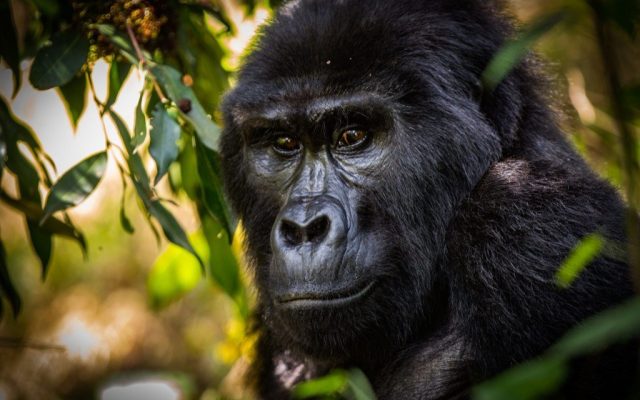
Inside parks such as Murchison Falls, Queen Elizabeth, and Bwindi Impenetrable, Uganda Wildlife Authority rangers accompany gorilla and chimp treks and patrol tourist zones. Game drives follow marked routes; walking safaris and primate treks operate under strict briefing rules—keep distance from gorillas, no flash photography, follow guide instructions without exception.
Wildlife is the most immediate safety factor on safari. Hippos and buffalo injure more people in Africa than lions do. Stay inside vehicles during drives unless guides say otherwise. At lodges, do not walk alone after dark without an escort where hippo paths cross camp grounds. These are standard wildlife protocols, not signs of chaos.
Crime and urban areas
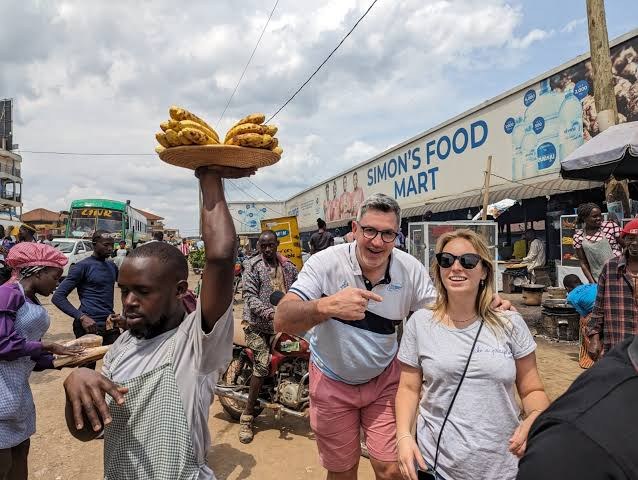
Like many developing countries, Uganda has street crime in cities—bag snatching, phone theft, and occasional robbery, especially after dark in poorly lit areas. Kampala and Entebbe are generally manageable for alert travelers. Use hotel transfers at night, keep valuables out of sight, and avoid displaying expensive jewellery or large cash wads in crowded markets.
Do not walk with your phone in hand near busy roads; motorcycle “boda” snatch thefts happen. Use registered taxis or ride apps your lodge recommends. Most safari guests spend little time in urban nightlife; their exposure is low if they transit sensibly between airport, hotel, and highway.
Security in tourist parks and recent advisories
Western Uganda’s parks occasionally appear in foreign travel advisories after security incidents near borders or in districts adjacent to protected areas—not always inside the parks tourists visit. In December 2025, the UK Foreign, Commonwealth and Development Office lifted its previous warning against all but essential travel to Queen Elizabeth and Semuliki National Parks, reflecting renewed confidence in security measures around those flagship destinations.
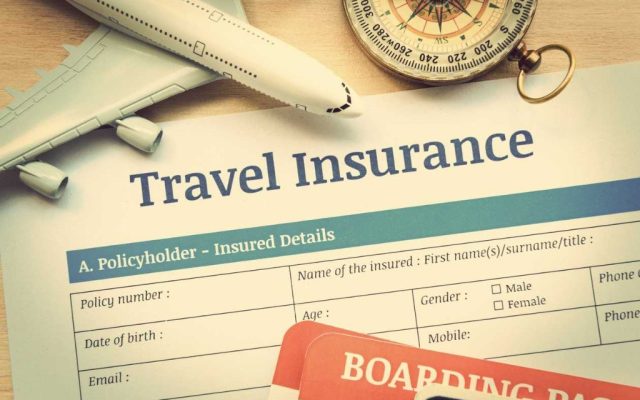
That change matters practically: many travel insurance policies reference government advisories when determining coverage. Always read your own government’s current advice and your insurance policy wording before you book.
Ugandan authorities maintain checkpoints and patrols on main tourism routes. Reputable operators monitor local conditions and adjust routing when advised. If you book through an established Kampala-based DMC such as Lion on the Rocks Safaris, you benefit from staff who live with these updates daily—not a brochure written years ago.
Border regions and areas to treat with caution
Foreign travel advisories consistently urge extra caution near Uganda’s borders with the Democratic Republic of the Congo and South Sudan. Some remote border zones are not safari destinations anyway. Mainstream itineraries to Bwindi, Queen Elizabeth, Kibale, and Murchison do not require casual travel through high-risk border towns.
The Allied Democratic Forces (ADF), a militant group operating in parts of eastern DRC, has occasionally carried out attacks in western Uganda near the DRC frontier. Tourist gorilla sectors in Bwindi and Mgahinga are heavily secured, but advisories still recommend staying informed and avoiding unnecessary travel immediately adjacent to the border. Your operator should not be taking you to informal border crossings or unpatrolled forest outside permitted trek zones.
If a deal looks suspiciously cheap and vague about locations, ask exactly which sector you will trek in and which roads you will use.
Terrorism and large gatherings
Major governments assess that terrorist groups could attempt attacks in Uganda, including in Kampala and places frequented by foreigners—hotels, restaurants, and transport hubs. There have been historical attacks in the capital. This is not unique to Uganda; it is part of the global travel landscape.
Practical response: stay aware in crowded venues, vary routines modestly, and avoid political demonstrations or large unregulated gatherings. On safari, you are far from these urban risks for most of your trip. Register with your embassy if your country offers a travel registration service, and save local emergency numbers.
Road safety
Road accidents are a serious risk across East Africa. Uganda’s highways vary from smooth tarmac to corrugated dirt. Long drives to Bwindi or Kidepo test vehicles and drivers alike. Choose operators with maintained 4×4 fleets and experienced driver-guides who respect speed and fatigue limits.
Night driving outside towns is discouraged—advisories explicitly warn against it—because of poor lighting, pedestrians, livestock, and occasional unmarked hazards. Good itineraries plan to reach lodges before dark. If your proposal includes regular late-night transfers, question it.
Domestic flights between Entebbe and southwestern airstrips reduce road exposure. They add cost but improve safety margins for tight schedules.
Health safety
Medical facilities in Kampala are reasonable for minor issues; rural park areas are not. Serious illness or injury may require evacuation to Nairobi or beyond. Comprehensive travel insurance with medical evacuation cover is not optional—it is essential.
Malaria, typhoid, and waterborne illness are preventable with vaccines, prophylaxis, and basic discipline: treated drinking water, repellent, and hand hygiene. Yellow fever vaccination is required for entry. Read visa and health requirements alongside this guide.
Women, LGBTQ+ travelers, and solo guests
Women travelers routinely safari in Uganda without harassment in park settings, though modest dress in towns reduces unwanted attention. Solo female travelers should use reputable transfers and avoid isolated walks at night in cities.
Uganda’s laws and social attitudes toward LGBTQ+ people are hostile compared with many Western countries. Public displays of affection are culturally inappropriate for all couples in conservative rural areas; same-sex couples face legal and social risks that require careful research and discretion. Foreign travel advisories publish dedicated guidance—read it before you commit.
Solo travelers join group treks daily in Bwindi; you will not trek gorillas alone anyway—UWA assigns groups. Solo safari vehicles are common for those who prefer private guiding.
How to maximise your safety
- Book through a licensed Ugandan tour operator with verifiable references and in-country offices.
- Follow ranger and guide instructions in parks without debate.
- Carry copies of permits, insurance, and emergency contacts.
- Avoid night road transfers on unfamiliar routes.
- Stay current on travel advisories and weather—a landslide blocking a road is a logistics problem, not a crime story, but it still matters.
- Do not chase cheap, unlicensed gorilla trekking offers; permits must be official through Uganda Wildlife Authority.
Uganda is not a theme park wrapped in bubble wrap. It is a living country with real poverty, real politics, and some of the most remarkable wildlife experiences on the planet. Travelers who prepare, use professional ground support, and stay within established tourism circuits routinely describe their trips as life-changing—not frightening.
Questions about security on a specific route or lodge? Contact Lion on the Rocks Safaris. We plan gorilla trekking and savannah itineraries with current conditions in mind, and we are straightforward when a route is not appropriate for your dates.
 Read
Read