How Many Days for a Uganda Safari — How many days do you need for a Uganda safari? The honest answer depends on whether you are flying in for gorillas alone or building a full circuit across forests, rift-valley lakes, and savannah. Uganda rewards depth more than speed: drive times between flagship parks are long, primate permits are issued for specific mornings, and the best itineraries leave buffer around trek days rather than stacking eight-hour transfers beside a chimp walk. This guide breaks down realistic trip lengths so you can match days on the ground to what you actually want to see.
This guide covers practical planning for How Many Days for a Uganda Safari, with tips you can use when comparing options.
A clear plan around How Many Days for a Uganda Safari helps you book permits, lodges, and transport with fewer surprises.
The Short Answer: Three Lengths That Work
Most first-time visitors need seven to twelve days for a strong Uganda safari that combines mountain gorillas, chimpanzees, and at least one savannah park such as Queen Elizabeth or Murchison Falls. Three to five days can work for a gorilla-only extension, especially when flying into Kigali and crossing the Rwanda–Uganda border to shave road time to Bwindi. Fourteen days or more suits multi-park enthusiasts, birders, or travellers adding Kidepo Valley, Lake Mburo, or a second gorilla trek in a different sector.
These ranges assume you are already in East Africa or have accounted for international arrival and departure days. A ten-night land itinerary often becomes twelve or thirteen total days once Entebbe buffers are included.
Why Uganda Needs More Days Than You Might Expect
Uganda’s great strength — gorillas, chimps, tree-climbing lions, Nile boat safaris, and rainforest birding in one country — is spread across a sizeable territory with variable roads. Kampala to Bwindi’s southern sectors can take nine to ten hours by 4×4. Entebbe to Murchison Falls is roughly five to six hours without heavy traffic. Queen Elizabeth National Park sits between western circuits, which helps linking gorillas and savannah, but you still need overnight stops rather than same-day dashes.
Primate activities are date- and time-locked. Gorilla trekking briefings start early; you cannot schedule a game drive that morning. Chimp tracking in Kibale follows a similar pattern. Building one rest day after a long transfer or a strenuous trek improves the experience and reduces the chance of illness before a permit day.
Three to Five Days: Gorilla-Focused Extensions
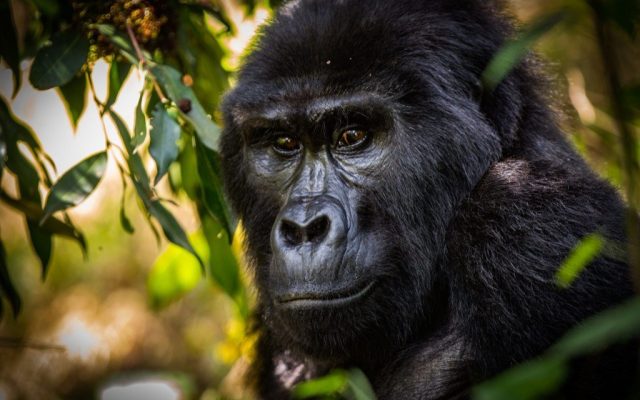
A compact gorilla safari fits travellers who are already in the region or combining Uganda with Rwanda or Kenya on a longer Africa trip. A typical four-day outline might run: arrival in Entebbe or Kigali, transfer to Bwindi with an overnight en route, full gorilla trek day, return transfer or continue to Kigali for departure. Five days allows a second night near the forest, a community walk, or golden monkey tracking in Mgahinga if permits are available.
This length does not leave room for chimpanzees or classic Big Four savannah viewing unless you accept very tight pacing. It works when gorillas are the sole purpose of the Uganda leg.
Six to Eight Days: Primates Plus One Savannah Park
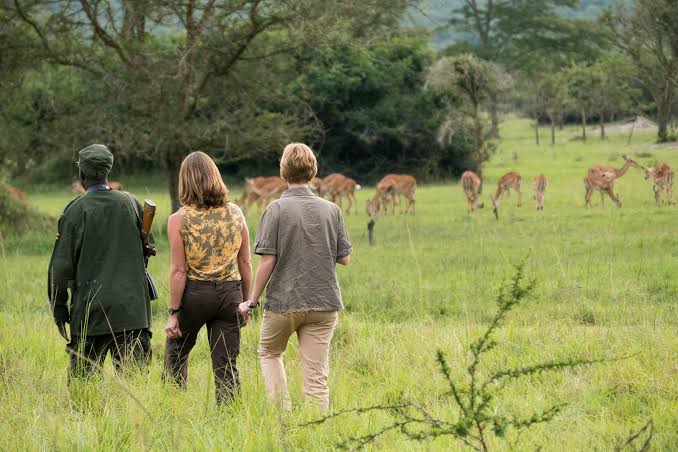
A one-week itinerary is the most common compromise for travellers who want gorillas and a taste of Uganda beyond the forest. A practical eight-day shape: Entebbe arrival; transfer west with a stop at the equator or Lake Mburo; two nights in the Bwindi area with one gorilla trek; drive to Queen Elizabeth for two nights including a Kazinga Channel boat cruise and Ishasha tree-climbing lion search; exit via Kibale or skip chimps if time is tight; return to Entebbe.
Alternatively, swap Queen Elizabeth for Murchison Falls if you prioritise Nile scenery, shoebill tracking near the delta, and large herds on the northern bank. You still need to choose — trying to fit Bwindi, Kibale chimps, Queen Elizabeth, and Murchison into seven land days creates exhaustion without adding quality viewing time.
Nine to Twelve Days: The Complete First-Timer Circuit
This is the sweet spot for a balanced Uganda safari. A ten- or eleven-day land program can sequence: Entebbe and optional Mabamba swamp for shoebill; Kibale Forest for chimpanzee tracking; Queen Elizabeth with game drives and boat safari; Bwindi gorilla trek with two nights to absorb transfer fatigue; Lake Bunyonyi or cultural stop on the return; Entebbe departure. Add a night in Kampala only if you want city dining or the Ndere cultural centre — most wildlife-focused travellers minimise capital time.
Twelve days allows a second primate experience — habituation trekking where available, or golden monkeys in Mgahinga — without dropping savannah nights. It also absorbs a weather delay on a trek day, which happens in rainy months when trackers walk farther to reach the gorillas.
Fourteen Days and Beyond: Deep Exploration
Longer itineraries suit repeat visitors, photographers, and birders. Kidepo Valley in the far northeast is one of Africa’s most remote savannah experiences but realistically needs three to four nights once travel from the southwest is included — best as part of a fourteen- to sixteen-day trip or a dedicated Kidepo add-on by air charter. Lake Mburo pairs well as a gentle savannah stop between Entebbe and the west. A second gorilla trek in another Bwindi sector rewards serious primate enthusiasts.
Some travellers loop Uganda with Rwanda gorillas or a few nights in Kenya’s Masai Mara. That works, but count border formalities and flight connections as full days rather than half days.
How to Allocate Days by Interest
If mountain gorillas are non-negotiable, reserve at least two nights in the Bwindi or Mgahinga area for one trek plus transfer recovery. If chimpanzees matter equally, budget two nights near Kibale. For savannah Big Four atmosphere without crossing into Kenya, allow two to three nights in Queen Elizabeth or Murchison. Birders should add mornings at forest edge and wetland sites — Uganda lists more than 1,000 species — which argues for the longer end of the range.
Families with younger children face trekking age limits: gorilla trekking minimum age is fifteen. Build itineraries around lodges with pool time, shorter game drives, and cultural visits when teens cannot trek.
Season and Permit Timing Affect Your Calendar
Peak dry months — June through August and December through February — sell gorilla permits months ahead. Your day count should align with confirmed permit dates before locking international flights. Low-season months can offer permit discounts and fewer lodge guests, but rain may lengthen treks; an extra buffer night is wise.
Lion on the Rocks Safaris typically sequences permits first, then lodges and road legs, so drive days never sit back-to-back with primate treks. Share your available dates, fitness level, and must-see list when requesting a quote — the right number of days is the number that lets you arrive at each briefing rested, not after a midnight highway sprint from Kampala.
Explore more on our Uganda safari collection when you are ready to plan.

 Read
Read