Introduction: Uganda Baggage Rules
Uganda Baggage Rules are an important consideration for travelers planning safaris in the Pearl of Africa. Because many Uganda safari destinations involve small aircraft flights, domestic transfers, and road journeys across national parks, understanding baggage limits and packing regulations ensures a smooth and stress-free travel experience.
Different airlines, safari vehicles, and lodges may have specific baggage requirements, especially for internal flights to remote parks such as Bwindi, Kidepo Valley, and Murchison Falls. Proper planning helps avoid delays, extra charges, or logistical challenges during your safari.
General Baggage Allowance for Uganda Flights
Most domestic safari flights in Uganda are operated using small aircraft with strict baggage limits.
Standard Allowance
- 15–20 kg (33–44 lbs) per passenger.
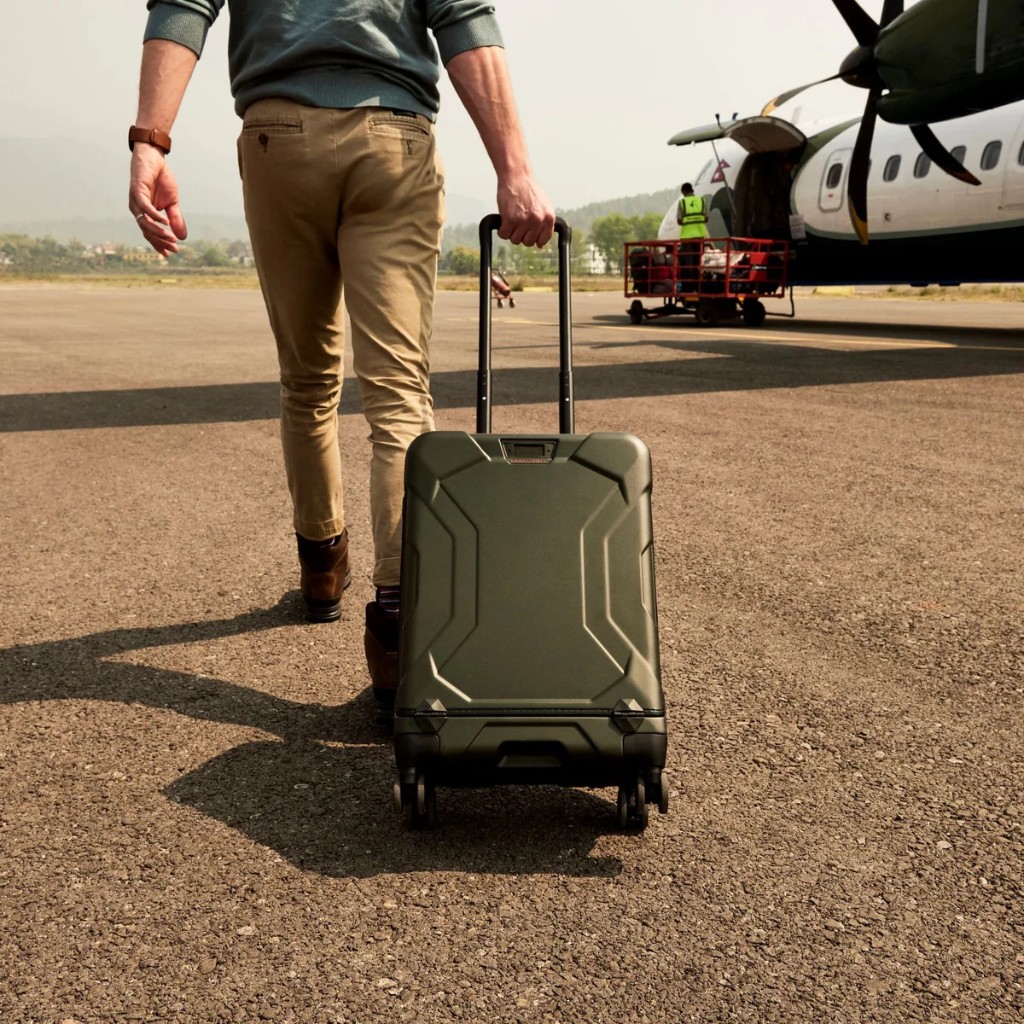
- Soft-sided bags only (no hard suitcases).
These limits help ensure safe storage in small aircraft cargo compartments.
Why Soft Bags Are Required
Soft duffel bags are mandatory for most safari flights because:
- They fit easily into small aircraft storage areas.
- They reduce risk of damage during handling.
- They are easier to transport between vehicles and lodges.
Hard-shell suitcases are usually not accepted on safari flights.
Checked vs Hand Luggage
Baggage is typically divided into:
Checked Baggage
- Main luggage stored in aircraft hold.
- Must follow weight limits.
Hand Luggage
- Small carry-on bag (5–7 kg).
- Contains valuables, documents, and essentials.
Passengers should always keep important items in hand luggage.
Baggage Rules for Safari Vehicles
On road safaris, luggage is transported in safari vehicles.
Guidelines include:
- Soft bags are preferred for easy packing.
- Space is limited in safari vehicles.
- Each traveler should avoid oversized luggage.
Efficient packing ensures comfort during long road journeys.
Gorilla Trekking Baggage Tips
For gorilla trekking safaris in Bwindi and Mgahinga:
- Carry a small daypack only during trekking.
- Leave main luggage at the lodge.
- Pack light essentials for forest hikes.
Daypacks should include water, snacks, rain gear, and camera equipment.
Restricted and Prohibited Items
Certain items are restricted during air and safari travel in Uganda:
- Sharp objects in hand luggage.
- Excess liquids in carry-on bags.
- Dangerous or flammable materials.
- Overweight luggage beyond airline limits.
Travelers should check airline guidelines before packing.
International Flight Baggage Rules
International flights into Entebbe International Airport generally allow:
- 20–30 kg checked baggage (depending on airline class).
- 7–10 kg hand luggage.
These limits vary depending on airline policies.
Domestic Safari Flight Destinations
Baggage restrictions are especially important for flights to:
- Bwindi Impenetrable National Park (Kihihi or Kisoro airstrips).
- Murchison Falls National Park (Pakuba or Bugungu airstrips).
- Kidepo Valley National Park (Apoka airstrip).
These routes are served by light aircraft with strict baggage limits.
Packing Strategy for Uganda Safaris
To comply with baggage rules, travelers should:
- Use lightweight clothing suitable for layering.
- Minimize unnecessary items.
- Share luggage if traveling in groups.
- Use compression packing cubes.
Efficient packing improves mobility and comfort.
Weight Overload Charges
If baggage exceeds allowed limits:
- Extra charges may apply per kilogram.
- Space availability is not guaranteed.
- Items may be left behind or delayed.
It is best to stay within the recommended weight limits.
Special Items on Safari
Some equipment may require special handling:
- Camera gear and lenses.
- Binoculars for birding safaris.
- Trekking equipment.
- Medical supplies.
These should be carried in hand luggage where possible.
Best Luggage Types for Uganda Safaris
Recommended luggage includes:
- Soft duffel bags.
- Lightweight backpacks.
- Water-resistant travel bags.
Avoid rigid suitcases for safari travel routes.
Who Needs to Pay Extra Attention to Baggage Rules?
Baggage rules are especially important for:
- Gorilla trekking travelers using domestic flights.
- Birdwatching photographers with heavy equipment.
- Luxury safari travelers with multiple outfit changes.
- Multi-country East Africa safari travelers.
Proper planning avoids disruptions during travel.
Why Book Uganda Safaris with Proper Baggage Planning
At Adventure in the Wild Safaris, we guide all travelers on Uganda Baggage Rules before departure to ensure smooth logistics across road and air transfers. We assist with packing advice tailored to safari type, accommodation level, and travel routes.
Our team ensures that all luggage requirements are met for both domestic flights and road safaris, minimizing delays and ensuring comfort throughout your journey.
Proper baggage planning is key to a stress-free and enjoyable Uganda safari experience.
Domestic Flights and Bush Airstrips
AeroLink and other charter operators serving Kihihi, Kasese, Pakuba, and Kisoro typically enforce 15–20 kg total baggage including hand luggage. Soft duffels fit under seats and in cargo pods better than hard suitcases. If your international allowance is 23 kg but your domestic sector is 15 kg, repack a small overnight bag before the bush flight and store excess at Entebbe hotel.
Photographers should declare heavy glass early—some flights charge excess by kilo. See photography safaris for gear discipline tips.
Souvenirs and Homeward Flights
Carved masks, drums, and batik add weight fast. Ship bulky items when possible or budget spare kilos on the return sector. Wood and wildlife products face export rules—buy from licensed craft centers and keep receipts. Cultural tours often end at reputable markets where guides explain what is legal to carry.
Packing for Safari Vehicles
Day packs stay accessible; large cases ride in roof racks or rear holds exposed to dust and rain. Waterproof covers and zip bags protect electronics. Align your list with packing list and travel checklist so documents, meds, and trekking boots sit in carry-on if checked bags delay.
 Read
Read