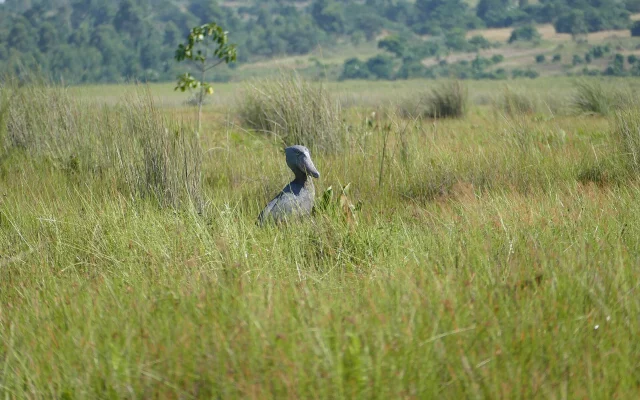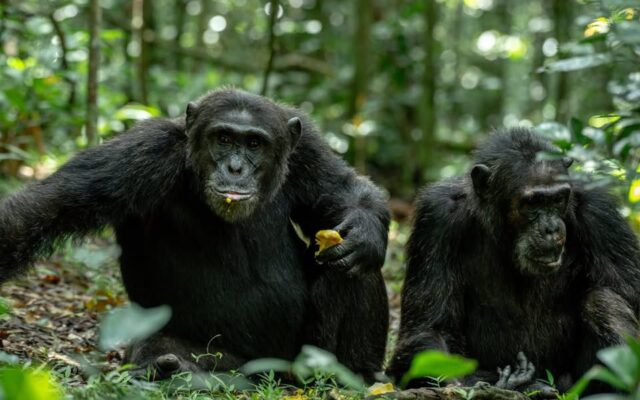
The shoebill stork diet reveals why this bird is so tightly bound to Africa's great freshwater swamps. Despite its stork-like silhouette, the shoebill is a formidable carnivore — an ambush predator whose patient hunting style and massive bill are evolved for catching lungfish and catfish in murky shallows. Understanding what shoebills eat explains their habitat requirements and why sites like Mabamba Swamp support reliable populations.
What Do Shoebills Eat?
Shoebills are carnivorous ambush hunters. Their diet centres on aquatic prey caught at or near the water's surface in shallow freshwater wetlands.
- African lungfish (Protopterus species) — primary prey
- Catfish — regular secondary prey
- Frogs — especially in rainy season
- Small reptiles — water snakes and young monitor lizards
- Rodents — occasionally near swamp edges
- Water birds — rarely, including young waterfowl
Lungfish — The Core Prey
African lungfish are the shoebill's most important food source. These remarkable fish survive dry seasons by estivating in mud burrows and breathing air through a lung-like organ. During wet periods, lungfish move through shallow channels and surface regularly to gulp air — behaviour that makes them vulnerable to shoebill ambush.
Why lungfish matter:
- Abundant in papyrus swamps and murky shallows
- Large enough to justify the shoebill's energy expenditure
- Surface-breathing behaviour creates predictable hunting opportunities
- Seasonal burrowing concentrates fish in accessible shallows
The shoebill–lungfish relationship is a classic predator–prey specialisation — lose the lungfish habitat and shoebills cannot persist.
Catfish and Other Fish
Catfish supplement the diet, especially where lungfish density is lower. Shoebills also take tilapia and other fish species when available. The hunting technique is the same: stand motionless, wait for prey near the surface, then strike with the massive bill.
Hunting Technique
Shoebill hunting is a study in patience. Birds stand at the water's edge or wade slowly through shallows, remaining almost perfectly still for extended periods. When prey comes within range — typically within bill-strike distance — the shoebill lunges forward with explosive speed.
The Strike
The bill closes with enormous force. Shoebills often decapitate fish immediately, swallowing headless prey or allowing the body to slide down whole. The hooked mandible tip prevents slippery fish from escaping.
Bill Clatter After the Catch
After a successful strike, shoebills sometimes perform bill-clattering displays — rapid snapping of the mandibles that may serve territorial or social functions beyond feeding.
Feeding Behaviour and Daily Rhythm
Shoebills feed primarily during early morning and late afternoon, aligning with peak prey activity and cooler temperatures. At Mabamba, dawn canoe trips coincide with active hunting — birds standing at channel edges or wading through shallows are often the first shoebills visitors see.
Daily feeding patterns include:
- Dawn hunting at wetland edges and channel mouths
- Midday roosting in papyrus shade during heat
- Late afternoon second feeding period
- Occasional nocturnal hunting near territory boundaries
How Much Do Shoebills Eat?
Adult shoebills consume roughly one large lungfish or equivalent prey daily, though intake varies with season, breeding status, and prey availability. During chick-rearing, both parents increase foraging effort to provision nestlings with regurgitated fish.
Seasonal Diet Variation
Prey availability shifts with wetland water levels and seasonal fish behaviour.
Dry Season
As water recedes, lungfish burrow into mud and surface more frequently to breathe. Concentrated prey in shrinking channels can improve hunting success — one reason some birders favour dry-season shoebill tracking.
Wet Season
Rising water disperses fish across larger swamp areas. Frogs and aquatic invertebrates become more available. Breeding pairs increase foraging to feed chicks hatched during or after the rains.
Feeding and Habitat Connection
Shoebill diet directly determines habitat quality. A swamp may look pristine but fail to support shoebills if lungfish populations are depleted by overfishing or water pollution. Conversely, protected wetlands with healthy fish stocks — like community-managed areas of Mabamba — sustain shoebill territories year after year.
This dietary specialisation is why shoebills cannot simply relocate to new wetlands — they need the right combination of water depth, vegetation, prey density, and low disturbance.
Chick Diet and Parental Feeding
Both parents feed chicks by regurgitating partially digested fish. The single surviving chick (shoebills typically raise one offspring per breeding attempt) receives intensive provisioning for several months before fledging. Chick survival depends entirely on parental foraging success within the territory.
Diet Comparison With Other Wetland Birds
Unlike fish eagles that hunt from the air or herons that stalk actively through shallows, shoebills are sit-and-wait ambush specialists. Unlike pelicans (their closer relatives) that scoop fish in groups, shoebills hunt alone. This solitary, patient strategy requires vast territories and intact prey populations.
Human Impacts on Shoebill Food Supply
Overfishing by local communities reduces prey density. Wetland drainage eliminates lungfish habitat. Pesticide runoff and pollution affect fish health. Seasonal papyrus burning destroys both nesting and feeding zones. Conservation efforts at Mabamba address these threats through community agreements on fishing practices and regulated tourism access.
Observing Shoebill Feeding in Uganda
The best feeding observations come from dawn canoe trips at Mabamba, where guides position boats at respectful distance from hunting birds. At Murchison Falls, delta boat cruises occasionally reveal shoebills striking prey along channel edges. Patience is essential — a shoebill may stand motionless for 20 minutes before lunging.
Shoebill Diet Quick Reference
- Diet type: carnivorous
- Primary prey: African lungfish
- Secondary prey: catfish, frogs, small reptiles
- Hunting method: ambush from stationary position
- Strike: rapid bill lunge, often decapitating prey
- Daily intake: roughly one large fish equivalent
- Feeding peaks: dawn and late afternoon
- Chick food: regurgitated fish from both parents
For hunting behaviour and social context, see shoebill behaviour; for where to watch them feed, visit where to see shoebills and shoebill safari experiences.