Best time to see shoebill stork — expert Uganda safari guide from local planners who know permits, parks, and realistic routing.
When is the best time to see a shoebill stork in Uganda? The encouraging answer is year-round — shoebills are resident in key sites and do not migrate out of the country. That said, timing still shapes your experience: calm dawn light, dry-season access, breeding season behaviour, and water levels all influence how easily you find a bird and how good the photography conditions will be. This guide covers seasonal patterns, daily timing, and month-by-month planning for Mabamba, Murchison, and Queen Elizabeth — see also where to see shoebills.
Can You See Shoebills Year-Round in Uganda?
Yes. Shoebills are resident in Uganda's major wetland sites. Unlike migratory waterbirds that depart seasonally, shoebills maintain territories at Mabamba, Murchison delta, and Queen Elizabeth throughout the year. There is no month when shoebill tracking is impossible — though some months offer better access, lighting, and combination safari value than others.
Best Time of Day — Dawn
The single most important timing factor is time of day, not time of year. Shoebills hunt most actively at dawn, standing at channel edges and wetland margins as lungfish surface in cool morning air. Mabamba canoe trips depart pre-dawn or at first light for this reason.
Why dawn matters:
- Peak hunting activity at wetland edges
- Calm water for canoe navigation and photography
- Cooler temperatures for comfortable swamp travel
- Best light for photography — soft golden tones
- Less disturbance from fishing activity later in the day
Afternoon excursions can succeed — especially at Murchison delta — but dawn remains the gold standard for Mabamba.
Uganda's Dry Seasons
Uganda has two dry-season windows that generally offer easier travel conditions:
- June to September — long dry season; popular safari period
- December to February — short dry season; excellent light
Advantages of Dry Season
Roads to Mabamba and between safari parks are more reliable. Swamp access tracks are firmer. Rain is less likely to interrupt dawn canoe departures. Combined itineraries linking Mabamba, Murchison, and Queen Elizabeth run more smoothly.
Shoebill Behaviour in Dry Season
Receding water concentrates lungfish in shrinking channels, potentially improving hunting visibility. Shoebills may stand in more exposed positions as water levels drop — useful for photographers.
Uganda's Wet Seasons
Rainy periods typically span:
- March to May — long rains
- October to November — short rains
Advantages of Wet Season
Fewer tourists at Mabamba and in national parks. Lush green papyrus scenery. Breeding activity may increase — shoebills often nest during or after rains. Birding diversity peaks as migrants and breeders overlap.
Challenges of Wet Season
Road conditions deteriorate on routes to Mabamba and between parks. Afternoon rain can affect canoe comfort. Higher water levels may disperse shoebills across larger swamp areas, occasionally making them harder to locate.
Month-by-Month Overview
January
Short dry season. Excellent dawn conditions at Mabamba. Good month for combined shoebill and savannah safaris.
February
Continuing dry weather. Peak safari season winding down. Strong photography light.
March–May
Long rains. Fewer crowds. Breeding season activity possible. Pack rain gear for canoe trips. Road conditions require buffer time.
June–August
Long dry season peak. Best overall month for multi-park itineraries combining Mabamba, Murchison, and Queen Elizabeth. Book lodges and guides early.
September
Dry season tail. Reliable shoebill sightings. Transition toward short rains begins late month.
October–November
Short rains. Green landscapes. Moderate tourist numbers. Afternoon showers possible but mornings often clear.
December
Holiday peak season. Short dry season. Book Mabamba excursions and lodges well in advance.
Breeding Season Timing
Shoebills breed during or after the rainy season in most of their range, building floating nests on papyrus platforms. In Uganda, breeding records from Mabamba suggest nesting activity during wetter months — though exact timing varies annually. Breeding season offers unique behavioural observations (courtship bill clattering, nest building, chick provisioning) but also requires extra caution to avoid nest disturbance. Guides at Mabamba adjust routes during breeding periods.
Best Time by Destination
Mabamba Swamp
Year-round; dawn daily. Dry seasons (Jun–Sep, Dec–Feb) for easiest access. Any month works with pre-dawn departure.
Murchison Falls Delta
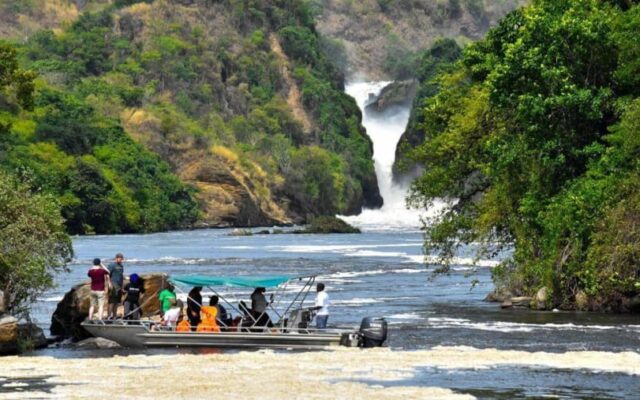
Year-round afternoon cruises. Dry season for reliable park road access. Delta water levels influence shoebill visibility — ask operators about current conditions.
Queen Elizabeth Wetlands
Year-round opportunistic sightings. Dry-season morning game drives on firmer Kasenyi tracks. Wet season for lush scenery and lower lodge rates.
Photography Timing Tips
- Shoot at dawn for warm side-light on standing shoebills
- Overcast wet-season mornings reduce harsh shadows
- Bring rain covers for camera gear in the canoe
- Telephoto lens (300–500mm) essential for channel-distance birds
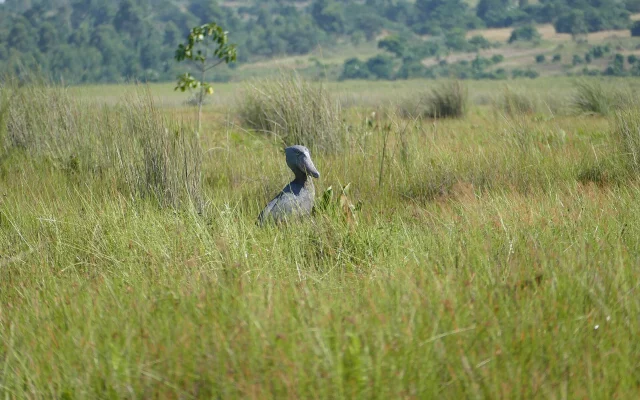
- Patience rewards — shoebills may stand motionless for extended periods before striking
Combining Shoebill Timing With Other Safaris
Shoebill excursions slot naturally into Uganda itineraries:
- Day 1: Arrive Entebbe — Mabamba dawn canoe next morning
- Days 2–4: Drive to Murchison — delta shoebill cruise + game drives
- Days 5–7: Queen Elizabeth — Kazinga boat + wetland game drives
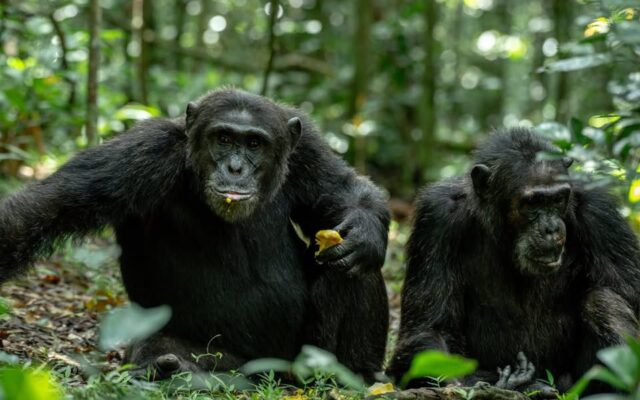
- Days 8+: Bwindi gorilla trekking or Kibale chimp tracking
Dry-season scheduling makes this circuit most comfortable. See shoebill safari experiences for packaged routes.
How Long to Allow for Shoebill Tracking
At Mabamba, allow a half day — pre-dawn departure, two to three hours in the swamp, return by midday. Do not schedule a tight international departure on the same morning; buffer at least three hours after returning from the swamp. At Murchison, the delta cruise fits an afternoon slot within a multi-day park stay.
Best Time Quick Reference
- Best daily window: dawn (first 2–3 hours of daylight)
- Best seasons: June–September and December–February (dry)
- Year-round viability: yes — shoebills are resident
- Breeding activity: typically wetter months
- Top site timing: Mabamba pre-dawn canoe any month
- Allow: half day at Mabamba; one afternoon at Murchison delta
Ready to plan? Browse shoebill safari experiences, read shoebill tracking Uganda, or explore birding in Uganda for the full seasonal picture.