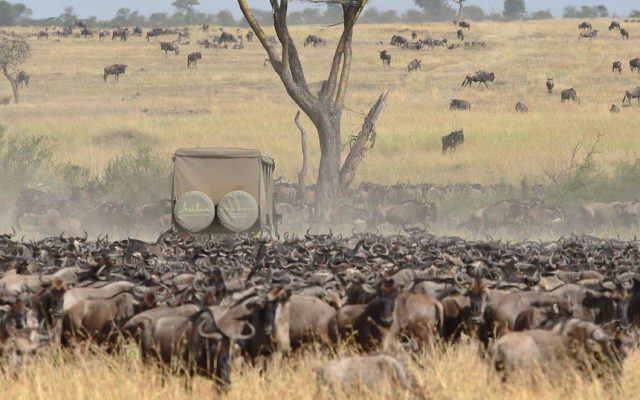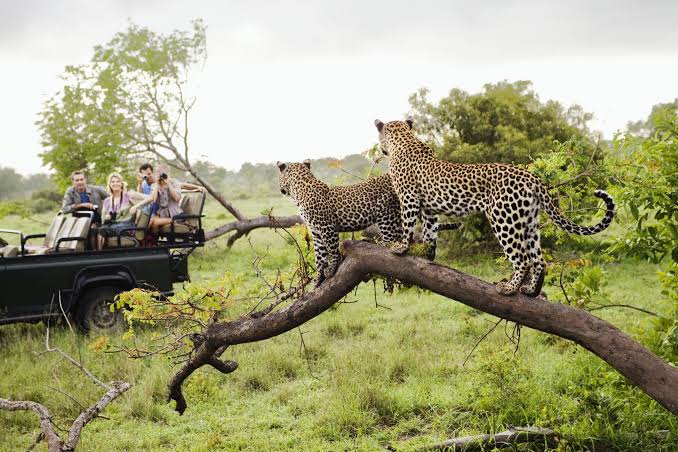
Uganda vs South Africa safari compares Africa’s most infrastructure-rich wildlife destination with one of its most underrated all-rounders. South Africa delivers polished roads, excellent lodges, malaria-free reserves, and Kruger National Park — a savannah ecosystem the size of a small country with legendary Big Five viewing. Uganda delivers something Kruger cannot: mountain gorilla trekking at close range, among the world’s best chimpanzee tracking, and a compact western circuit where rainforest, rift lakes, and savannah sit within a few hours’ drive of each other.
This guide covers practical planning for Uganda vs South Africa Safari, with tips you can use when comparing options.
A clear plan around Uganda vs South Africa Safari helps you book permits, lodges, and transport with fewer surprises.
The comparison is not about which country is “better.” It is about whether your first African safari should maximise classic open-vehicle predator drama and tourist convenience, or prioritise primate encounters and ecological variety that South Africa simply does not offer in the wild.
Kruger and Private Reserves vs Uganda’s Western Circuit
South Africa’s Kruger National Park and adjoining private reserves — Sabi Sand, Timbavati, Manyeleti — set the global template for Big Five safaris. Lion, leopard, elephant, buffalo, and rhino are all present in meaningful wild populations. Leopard density in the Sabi Sand is among the highest on the continent. Self-drive Kruger is viable for confident travellers; private reserves add off-road tracking, night drives, and walk-in bush breakfasts. Add Cape Town, the Winelands, and the Garden Route and South Africa becomes a full holiday destination beyond wildlife alone.
Uganda’s savannah anchors — Queen Elizabeth National Park, Murchison Falls National Park, Kidepo Valley — deliver elephant, buffalo, lion, and leopard on game drives and boat safaris, but predator densities and rhino in the wild do not match Kruger’s mainstream experience. Uganda’s unmatched draw is primates: gorillas in Bwindi, chimps in Kibale, plus tree-climbing lions in Queen Elizabeth’s Ishasha sector — a behaviour Kruger visitors never see.
Big Five Completeness and the Ziwa Rhino Factor
South Africa is the easier Big Five completion. White and black rhino occur across Kruger and numerous private reserves; sightings are routine with good guiding. Uganda holds four of the five inside national parks. White rhino were extirpated by poaching decades ago; reintroduction is concentrated at Ziwa Rhino Sanctuary, where tracked on-foot encounters under ranger escort let visitors complete the set on a combined itinerary — typically en route to Murchison Falls from Kampala.
If Big Five checkbox completeness in a single reserve matters most, South Africa wins. If you accept rhino as a sanctuary stop in exchange for gorilla trekking found nowhere in South Africa, Uganda’s package is more distinctive. Read our guide to the Big Five animals in Uganda for species-by-species detail.
Safari Style: Comfort, Access, and Who Each Trip Suits
South Africa rewards travellers who want smooth logistics. Paved highways reach park gates; domestic flights link Johannesburg to Skukuza, Nelspruit, and Cape Town; fuel stations and shops sit outside major reserves. Malaria-free options in the Eastern Cape and Madikwe suit families reluctant to take prophylaxis. Game drives are predominantly vehicle-based with moderate daily exertion.
Uganda demands more active participation. Gorilla and chimp treks require forest hiking on steep, muddy terrain — two to six hours is common. Road transfers between western parks are long on unpaved sections; a seven-day Uganda loop involves real seat time. Boat safaris on the Nile and Kazinga Channel add variety Kruger’s inland ecology lacks. Uganda suits fit adults and teenagers over fifteen (gorilla trekking age minimum); younger families often find South Africa’s vehicle-based days easier.
Cost and Value: Permits vs Park Fees
South Africa’s cost spectrum is wide. Self-drive Kruger with rest-camp accommodation can be mid-range; top private lodges in the Sabi Sand exceed USD 1,500 per person per night. Park conservation fees are modest compared with East African permit models. No single activity approaches Uganda’s gorilla permit — USD 800 per foreign non-resident under current Uganda Wildlife Authority tariffs.
Uganda’s overall mid-range safari — vehicle, guide, lodges, savannah park fees, plus one gorilla permit — often totals less than a comparable luxury Kruger private reserve stay, but the permit is non-negotiable. Budget travellers can self-drive Kruger cheaply; budget gorilla trekking in Uganda still carries the USD 800 permit floor. Low-season Uganda permit discounts in April, May, and November are a meaningful lever South Africa does not mirror.
Wildlife Beyond the Big Five
South Africa offers cheetah, wild dog in select reserves, meerkat in the Kalahari fringe, and marine wildlife at Hermanus and the Sardine Run coast — a breadth Uganda’s landlocked circuit cannot match. Uganda counters with thirteen primate species in Kibale, shoebill stork tracking near Entebbe and Murchison, and national bird lists exceeding 1,000 species. For photographers, Kruger sells golden-hour predator portraits on open plains; Uganda sells mist through Bwindi canopy and a silverback glancing up from foliage.
When to Choose South Africa
Choose South Africa for a first African safari with maximum Big Five reliability, self-drive flexibility, malaria-free reserve options, luxury lodge infrastructure, or a combined wildlife-and-city itinerary with Cape Town. Choose it if physical hiking is limited, if travelling with children under fifteen who cannot gorilla-trek, or if leopard-on-a-kill in the Sabi Sand is the defining goal.
When to Choose Uganda
Choose Uganda if mountain gorillas or chimpanzees are the reason you are flying to Africa; if you have already done Kruger or Etosha and want qualitatively different encounters; if mixed ecosystems in one country appeal; if you are combining East Africa with Kenya or Rwanda; or if birding and primate diversity outweigh sheer predator density. Uganda is the specialist’s upgrade after the classic savannah box is ticked.
Combining Both on One Journey
Johannesburg to Entebbe connections run via Nairobi, Addis Ababa, or direct seasonal services — budget a full travel day. A popular three-week arc might pair ten days in Kruger and a private reserve with ten days in Uganda for gorillas, Kibale chimps, and Queen Elizabeth. Yellow fever certificates may be required depending on routing; plan vaccinations before locking flights.
Lion on the Rocks Safaris designs Uganda safari itineraries that assume you may arrive after a southern Africa leg — we anchor gorilla permit dates first, then build savannah and boat days around confirmed trekking. For how many nights to allocate, see how many days you need for a Uganda safari, then contact us with your combined Africa dates.
 Read