Uganda vs Botswana safari is a comparison between two of Africa’s most respected wildlife destinations — and two fundamentally different safari philosophies. Botswana built its reputation on low-volume, high-cost tourism across the Okavango Delta, Chobe, and the Kalahari, with mokoro channels, seasonal floodplains, and some of the continent’s strongest elephant concentrations. Uganda built its reputation on primate encounters — mountain gorillas, chimpanzees, golden monkeys — wrapped around diverse savannah, rainforest, and rift-lake ecosystems that most visitors underestimate until they arrive.
This guide covers practical planning for Uganda vs Botswana Safari, with tips you can use when comparing options.
A clear plan around Uganda vs Botswana Safari helps you book permits, lodges, and transport with fewer surprises.
Neither country is a consolation prize for the other. The choice depends on whether your dream safari centres on water-based wilderness in southern Africa or face-to-face primate trekking in the Albertine Rift. Many seasoned travellers eventually do both; first-timers need an honest match between expectations, budget, and physical fitness.
Signature Experiences: Okavango vs the Albertine Rift
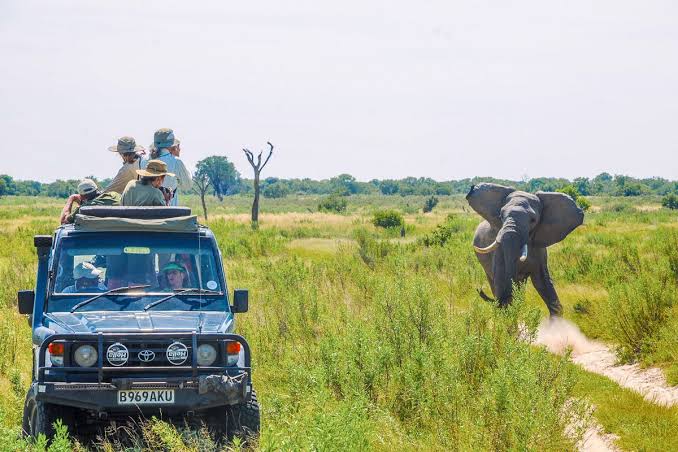
Botswana’s flagship is the Okavango Delta — a seasonal inland delta where floodwaters spread across papyrus channels and open floodplains, best explored by mokoro canoe, motorboat, and walking safari with armed guides. Lion, leopard, wild dog, cheetah, elephant, and buffalo move through a water-labyrinth landscape unlike anywhere else. Chobe National Park adds riverfront elephant herds numbering hundreds; the Makgadikgadi and Central Kalahari deliver desert-adapted species and stark emptiness. Botswana safaris are predominantly lodge-based, often fly-in between camps, with strict visitor caps that preserve exclusivity.
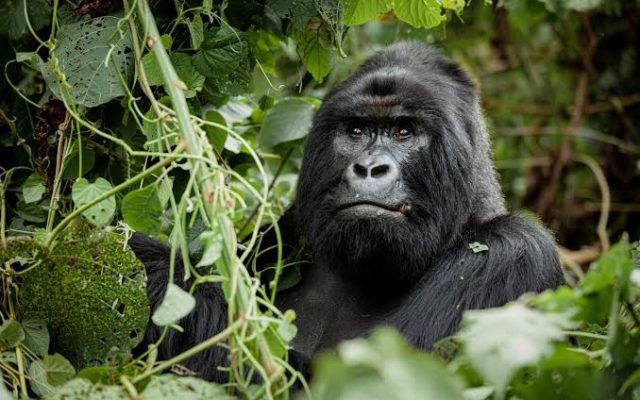
Uganda’s flagship is mountain gorilla trekking in Bwindi Impenetrable National Park and Mgahinga, where small groups hike forest trails for a regulated one-hour encounter with a habituated family. Kibale Forest ranks among Africa’s best chimpanzee tracking destinations. Savannas at Queen Elizabeth and Murchison Falls deliver elephant, buffalo, lion, leopard, and boat safaris on the Nile and Kazinga Channel. Uganda offers more habitat types in one country; Botswana offers deeper specialisation in arid and delta ecology.
Wildlife Overlap and What You Cannot Swap
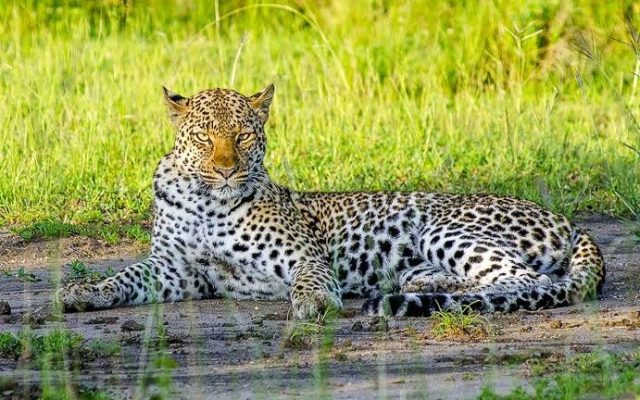
Both countries deliver strong elephant and buffalo viewing, healthy predator populations, and excellent birding. Botswana generally wins on wild dog reliability, Okavango lion behaviour in flood season, and the sheer theatre of elephant herds along the Chobe River. Uganda wins decisively on primates — gorillas exist only in Uganda, Rwanda, and the Democratic Republic of Congo, not in Botswana. Chimpanzees are routine in Uganda’s forests; they are not a mainstream Botswana draw.
For the Big Five, Botswana offers all five in the wild across its major reserves, including rhino reintroduction projects in protected areas. Uganda has four in national parks — lion, leopard, elephant, buffalo — with white rhino tracked on foot at Ziwa Rhino Sanctuary north of Kampala. Shoebill stork, forest elephants in semliki lowlands, and more than 1,000 bird species nationally give Uganda an edge for specialist naturalists who look beyond the classic five.
Safari Style and Physical Demand
Botswana safaris lean toward seated comfort: game drives in open 4x4s, mokoro glides, boat transfers between camps, and occasional walking safaris with highly trained guides. Terrain difficulty is low for fit adults; the challenge is cost and booking lead time, not mud on a mountainside.
Uganda safaris blend vehicle days with on-foot primate treks that can last two to six hours on steep, muddy paths at altitude. Gorilla trekking demands reasonable fitness, waterproof boots, and compliance with strict health rules — rangers deny treks to visitors with respiratory illness to protect the apes. Road transfers between western parks are longer and slower than Botswana’s camp-to-camp flights. Uganda feels more physically varied; Botswana feels more logistically seamless once you are in the system.
Crowds, Cost, and Booking Lead Times
Botswana prices at the quality end are among Africa’s highest. Exclusive Okavango camps routinely charge USD 1,000–2,500 per person per night all-inclusive; budget self-drive Botswana exists but is not the country’s marketed strength. High cost buys low density: fewer vehicles at a leopard kill, private concessions, and carefully managed carrying capacity.
Uganda can be significantly more affordable for mid-range travellers, though gorilla permits are a major fixed cost — USD 800 per person for foreign non-residents under current Uganda Wildlife Authority tariffs. That single line item does not exist in Botswana. Savannah lodge rates in Uganda are generally lower than Okavango equivalents; internal flights are less central to most itineraries. Book Uganda gorilla permits six to nine months ahead for peak months; book Botswana delta camps equally early for July–October flood season.
Seasonality at a Glance
Botswana’s dry winter — May to October — concentrates wildlife around remaining water and is peak season for the Okavango flood and predator visibility. Green season — November to April — drops rates and brings migrant birds and newborn antelope, with some camps closing or limiting access during heaviest floods or rains.
Uganda’s drier windows — December to February and June to September — ease forest trekking and road travel. Rain falls year-round in equatorial forests; Bwindi can be wet in any month. Primate trekking runs year-round with permit availability, not migration timing, as the main constraint. See our best time to visit Uganda for safari guide for month-by-month detail.
When to Choose Botswana
Choose Botswana if water-based safari — mokoro, floodplain channels, riverfront elephants — is the centrepiece; if wild dog and Okavango lion are priorities; if budget allows exclusive lodges and charter flights; if you prefer minimal hiking and maximum vehicle or boat comfort; or if you have already trekked gorillas elsewhere and want southern Africa’s premier wilderness model.
When to Choose Uganda
Choose Uganda if mountain gorillas or chimpanzees are non-negotiable; if you want varied ecosystems — rainforest, savannah, rift lakes, Nile gorge — in one country; if mid-range value matters more than ultra-luxury exclusivity; if you are a birder or primate specialist; or if you are combining East Africa destinations such as Kenya or Rwanda in a broader trip. Uganda suits travellers willing to accept tougher trek days and longer road transfers in exchange for experiences unavailable in Botswana.
Combining or Sequencing Both
Direct connections between Botswana and Uganda typically route through Johannesburg, Nairobi, or Addis Ababa — plan a full travel day between countries. A three-week Africa journey might pair ten days in the Okavango and Chobe with ten days in Uganda for gorillas, chimps, and Queen Elizabeth. Yellow fever vaccination certificates may be required depending on routing; malaria prophylaxis is recommended in both countries.
Lion on the Rocks Safaris specialises in Uganda’s primate-and-savannah circuits and can advise how many days to allocate before or after a Botswana leg. Explore our Uganda safari packages or contact us to anchor gorilla permit dates and build a western loop that complements — rather than duplicates — what you will see in the Delta.
 Read
Read