Uganda Safari vs Rwanda Safari — Uganda and Rwanda share a border, a history, and the same endangered mountain gorillas moving through the Virunga–Bwindi ecosystem. Yet the safari experience in each country feels distinctly different. Rwanda polished its tourism infrastructure around short, high-end gorilla trips from Kigali. Uganda spread its offerings across rainforest, rift-valley savannah, and the Nile — a broader canvas at lower permit prices.
This guide covers practical planning for Uganda Safari vs Rwanda Safari, with tips you can use when comparing options.
A clear plan around Uganda Safari vs Rwanda Safari helps you book permits, lodges, and transport with fewer surprises.
Choosing between them is less about which country “has better gorillas” — the animals are the same subspecies — and more about budget, trip length, fitness, and what else you want beyond that hour with a gorilla family.
Gorilla trekking: permits, terrain, and access
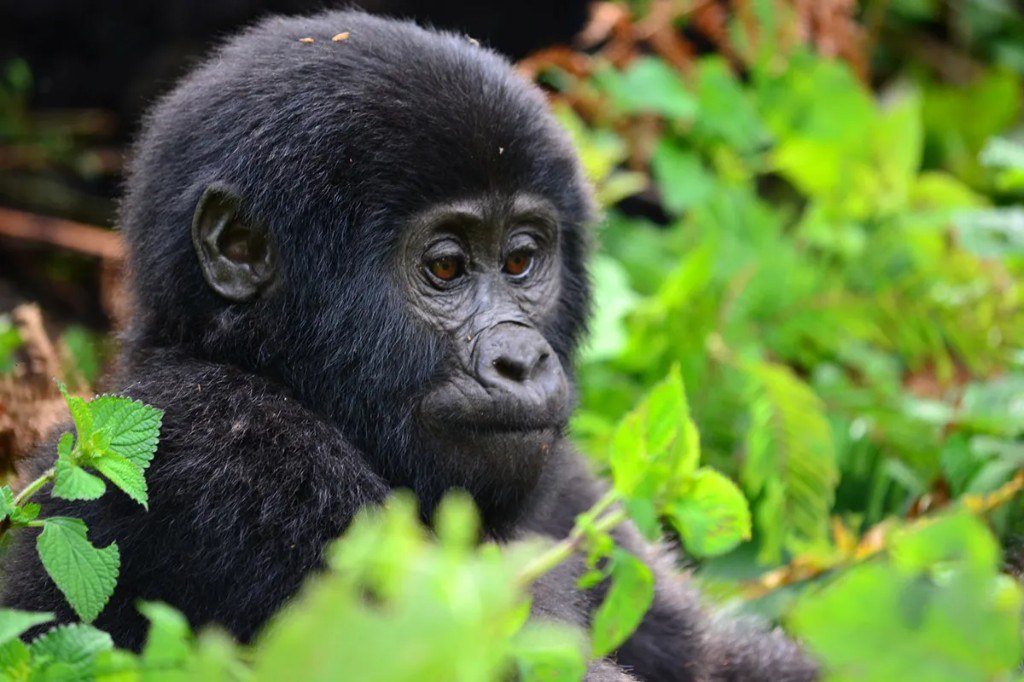
The price gap is stark. In 2026, Uganda charges foreign non-residents USD 800 for a standard gorilla trek in Bwindi or Mgahinga (USD 600 in April, May, and November). Rwanda’s Volcanoes National Park permits sit at USD 1,500 year-round for most international visitors. For a couple, choosing Uganda saves USD 1,400 on permits alone — enough to fund several nights at a mid-range lodge or a chimp trek at Kibale.
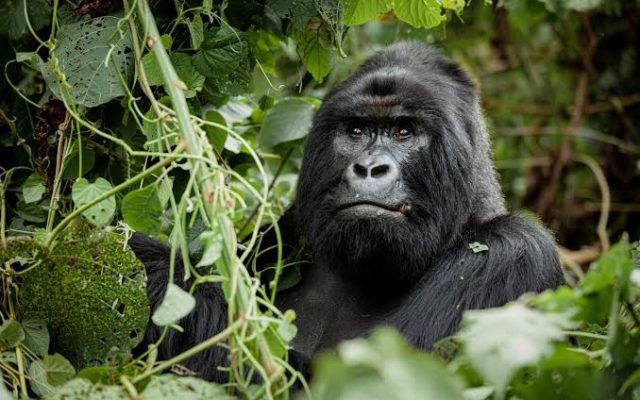
Rwanda’s advantage is efficiency. Volcanoes National Park lies roughly two to three hours from Kigali International Airport on paved roads. Many travellers land in the morning, transfer to a lodge near Musanze, trek the next day, and fly out the day after. The volcanic slopes of Volcanoes generally offer clearer trails and shorter average trek times — often one to four hours — compared with Bwindi’s steeper, denser rainforest, where treks can run from one to seven hours depending on sector and family location.
Uganda’s Bwindi Impenetrable National Park hosts 20+ habituated gorilla families across four trekking sectors (Buhoma, Ruhija, Rushaga, and Nkuringo), with more than 160 permits available daily. That scale means better date flexibility in peak season. Rwanda’s Volcanoes hosts around a dozen habituated groups with tighter daily quotas — fine if you book early, stressful if you are chasing last-minute space in July or August.
A hybrid route works well: fly into Kigali and drive three to four hours to southern Bwindi or Mgahinga for Uganda permit pricing with Rwanda’s shorter initial transfer. You still need appropriate visas and should understand East Africa Tourist Visa rules if visiting both countries.
Beyond gorillas: where Uganda pulls ahead
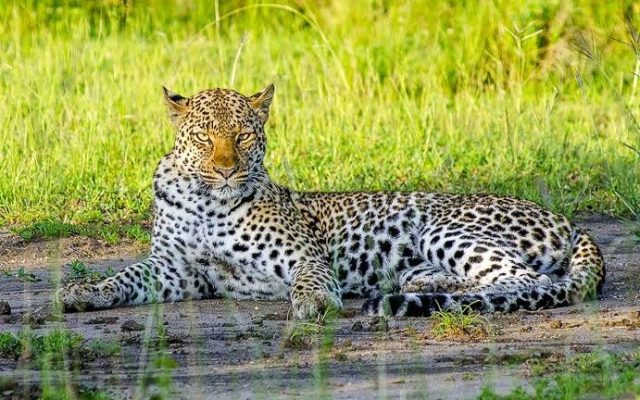
Rwanda’s wildlife circuit beyond Volcanoes is growing but compact. Akagera National Park offers savannah game drives with lion, leopard, elephant, and rhino reintroductions — rewarding, though smaller in scale than Uganda’s Queen Elizabeth or Murchison Falls. Nyungwe Forest delivers chimpanzee tracking and canopy walks in montane forest, but chimp permits and logistics are less established than Kibale’s operation in Uganda.
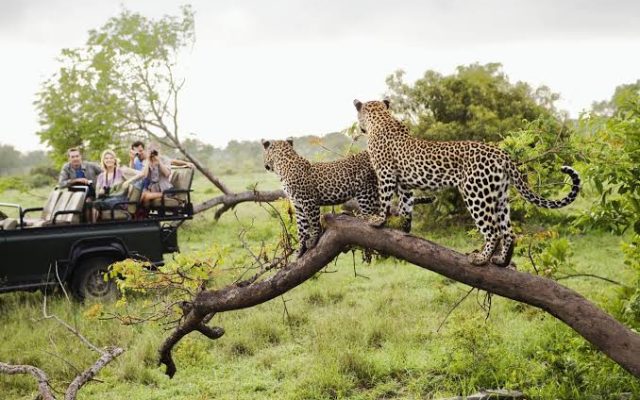
Uganda stacks primate and savannah experiences on one itinerary with relative ease. Kibale Forest is the continent’s premier chimpanzee tracking destination, with permits around USD 250. Queen Elizabeth National Park adds tree-climbing lions in Ishasha, Kazinga Channel boat cruises, and classic game drives. Murchison Falls combines Nile boat safaris with waterfall viewpoints and savannah plains. Shoebill sightings near Entebbe and golden monkey tracking at Mgahinga round out a list Rwanda cannot match without cross-border travel.
If your dream is “gorillas plus a full safari,” Uganda delivers more variety per week. If your dream is “gorillas only, maximum polish, minimum days off work,” Rwanda competes strongly despite the permit premium.
Lodging and luxury positioning
Rwanda invested heavily in ultra-luxury forest lodges — properties like Bisate Lodge, Singita Kwitonda, and One&Only Gorilla’s Nest target travellers who want design-forward accommodation within minutes of the park gate. Service standards, road quality, and the general ease of moving through the country are excellent.
Uganda’s lodge spectrum is wider. Clouds Mountain Gorilla Lodge, Sanctuary Gorilla Forest Camp, and Bwindi Lodge compete at the top end, but budget bandas near USD 70 per night and solid mid-range options at USD 120–200 exist across all four Bwindi sectors. Rwanda’s Volcanoes fringe has fewer true budget choices; the market skews upscale.
Luxury travellers should compare total trip cost, not just permits. A three-night Rwanda gorilla break with a premium lodge can exceed a seven-night Uganda circuit when you add chimp and savannah components funded by permit savings.
Safety, visas, and tourism infrastructure
Both countries are mainstream safari destinations with professional park authorities and licensed operators. Rwanda’s roads around Kigali and Musanze are notably smooth; Uganda’s southwest forest roads can be slow and rough after rain — another honest trade-off on road-based itineraries.
Visa rules differ by nationality and change periodically. Uganda offers an e-visa system; Rwanda issues visas on arrival or online for many passport holders. The East Africa Tourist Visa covers Uganda, Kenya, and Rwanda for eligible travellers planning multi-country loops — Tanzania is not included.
Cost snapshot for a typical gorilla-focused trip
A three-day Rwanda gorilla trip from Kigali — one permit, two lodge nights, private transfers — often runs USD 3,500–6,000+ per person at mid-to-luxury level, with USD 1,500 of that locked in the permit alone.
A comparable Uganda gorilla trip by road from Entebbe needs more transfer time but lower permit cost; a five-to-six-day Uganda package adding chimps and Queen Elizabeth commonly lands USD 3,500–5,000 per person mid-range, with more activities included. Fly-in Uganda options narrow the time gap; see our fly-in vs road safari comparison for transport trade-offs.
When to choose Rwanda
Choose Rwanda for the shortest possible gorilla trip from a major airport, for easier trekking terrain if fitness is a concern, for ultra-luxury lodge experiences concentrated near Volcanoes, or when permit price matters less than time. Conference travellers adding a gorilla weekend to a Kigali meeting fit this profile perfectly.
When to choose Uganda
Choose Uganda for lower gorilla permit costs, greater permit availability across multiple Bwindi sectors, chimpanzee and savannah add-ons on the same journey, habituation experiences in Bwindi (USD 1,500 for four hours with researchers), or longer itineraries that treat gorillas as one chapter in a primate-and-wildlife story.
For a deeper gorilla-only comparison, read gorilla trekking Uganda vs Rwanda. For permit economics, our gorilla trekking cost guide breaks down the numbers. Neither country disappoints at the moment you kneel in the ferns and a silverback meets your eyes — the question is how much else you want the journey to hold.
 Read
Read