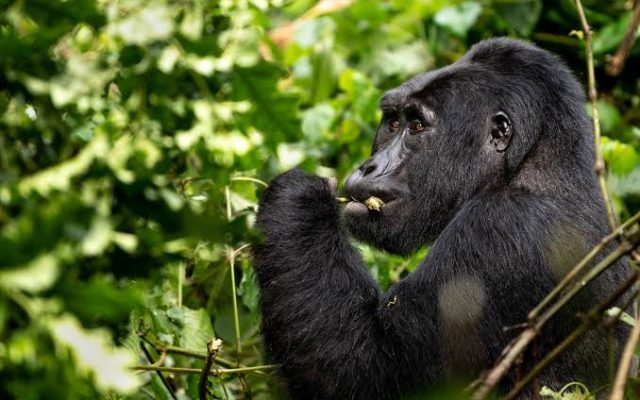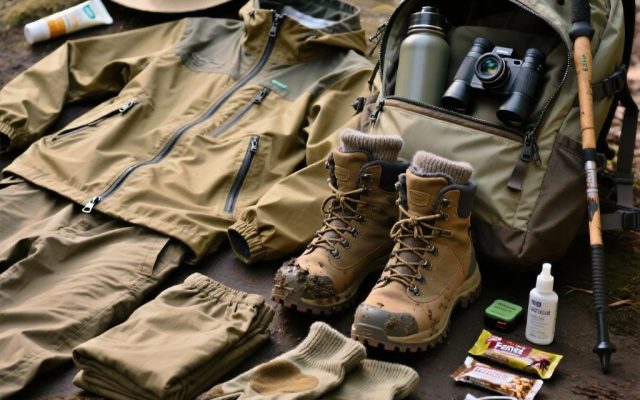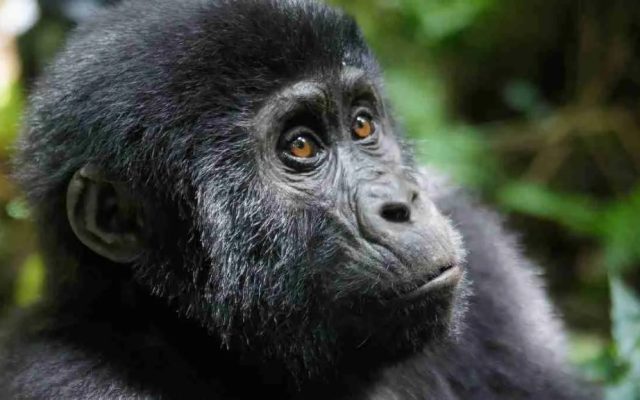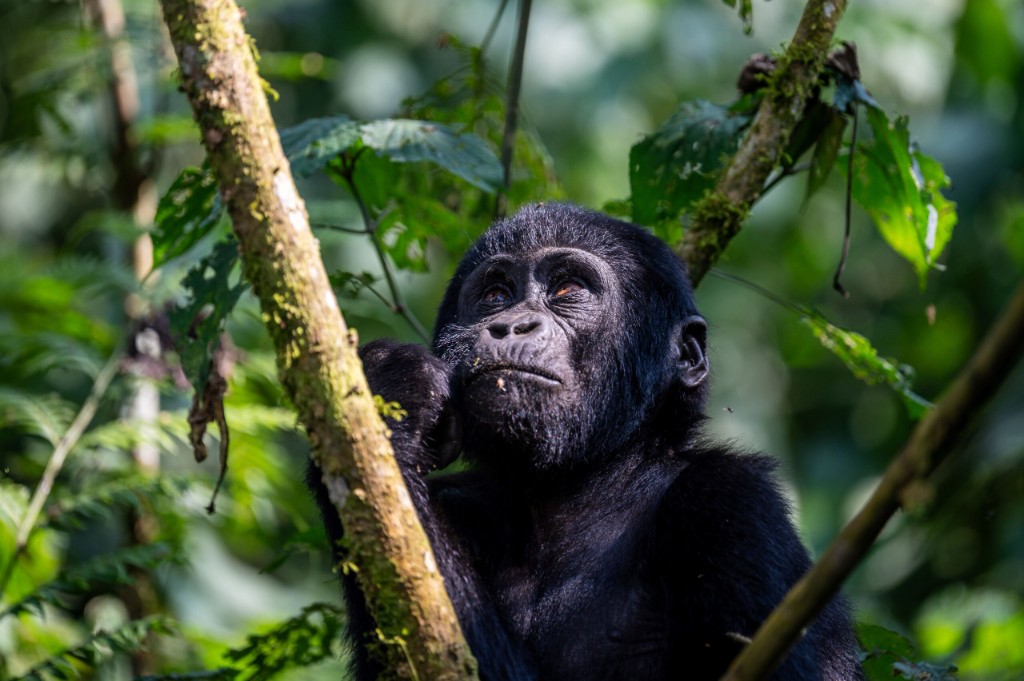
Gorilla Trekking Uganda vs Rwanda — Mountain gorillas do not carry passports, but the country you choose to trek in makes a real difference to your budget, travel time, and overall experience. Uganda and Rwanda share a border and the same volcanic mountain range. They protect the same species. Yet the two destinations have evolved distinctly different approaches to gorilla tourism — and understanding those differences saves you from booking the wrong trip.
This guide covers practical planning for Gorilla Trekking Uganda vs Rwanda, with tips you can use when comparing options.
A clear plan around Gorilla Trekking Uganda vs Rwanda helps you book permits, lodges, and transport with fewer surprises.
This comparison covers permit prices, park access, trekking terrain, permit availability, and practical routing. If you are weighing gorilla trekking in Uganda against Rwanda’s Volcanoes National Park, start here.
The Permit Price Gap
This is the headline. Rwanda charges USD 1,500 per gorilla permit, every month, with no seasonal discount. Uganda’s standard permit is USD 800 for foreign non-residents under the UWA conservation tariff valid through June 2026. During April, May, and November, Uganda offers a low-season rate of USD 600.
For a couple trekking together in peak season, choosing Uganda over Rwanda saves USD 1,400 on permits alone. A family of four saves USD 2,800. That gap funds an extra safari day in Queen Elizabeth, a chimpanzee trek in Kibale, or several nights at a better lodge in Bwindi.
Both countries include ranger guides, park entry, and conservation levies in the permit fee. Both limit visits to one hour and eight tourists per gorilla family per day. The gorillas are equally wild. The price difference reflects national tourism strategy, not encounter quality.
Rwanda has positioned itself as a high-end, low-volume destination since doubling its permit fee in 2017. Uganda has kept permits more accessible while investing in new lodges, road improvements, and the exclusive gorilla habituation experience — a four-hour encounter available only in Bwindi and not offered anywhere in Rwanda.
Where You Trek: Parks and Habitats
Uganda offers gorilla trekking in two parks. Bwindi Impenetrable National Park holds the majority of habituated families spread across four sectors — Buhoma, Ruhija, Rushaga, and Nkuringo — with roughly 20 families available for standard treks. Mgahinga Gorilla National Park has one habituated family, the Nyakagezi group, with eight daily permits.
Bwindi’s forest is dense, steep, and genuinely “impenetrable” in places. Altitude ranges from about 1,160 to 2,607 metres. Treks vary wildly in difficulty depending on sector and where the family ranged overnight.
Rwanda concentrates all tourism gorilla trekking in Volcanoes National Park, part of the same Virunga massif as Mgahinga. More than a dozen habituated families live across bamboo zone and alpine meadow slopes. The park is compact and well-organised, with a central headquarters at Kinigi and relatively open volcanic terrain compared to Bwindi’s closed-canopy rainforest.
Many repeat trekkers say Rwanda’s trails feel slightly easier on average — though a long trek in Volcanoes on a rainy day is still a serious hike. Uganda’s Bwindi offers more variety: gentler Buhoma walks one day, a punishing Nkuringo climb the next.
Getting There: Access and Travel Time
Rwanda’s advantage is proximity to Kigali International Airport. Volcanoes National Park is roughly two to three hours by road from Kigali, making a one- or two-night gorilla extension feasible for conference delegates and short-stay travellers. Paved roads, clear signage, and Rwanda’s efficient tourism infrastructure smooth the journey.
Uganda’s classic route from Entebbe or Kampala to Bwindi takes eight to ten hours by road — a full day each way. Domestic flights to Kihihi or Kisoro airstrips reduce that to about an hour in the air plus a short transfer, at additional cost. The drive itself, though long, passes through remarkable countryside: the Equator, terraced hillsides, and the Kigezi highlands locals call “Switzerland of Africa.”
Here is the crossover many travellers miss: southern Bwindi and Mgahinga are closer to Kigali than to Kampala. From Kigali, the drive to Rushaga or Mgahinga takes roughly four to five hours through the Cyanika or Gatuna border. With an East Africa Tourist Visa (USD 100, valid 90 days across Uganda, Rwanda, and Kenya), you can fly into Kigali, trek in Uganda, and save both time and permit money. Kampala-based operators like Lion on the Rocks Safaris routinely coordinate these cross-border itineraries.
Permit Availability and Booking Windows
Rwanda issues roughly 96–104 permits daily across its habituated families — more total permits than any single Ugandan park, though Bwindi and Mgahinga combined offer around 160. Rwanda’s higher daily volume can mean slightly easier last-minute availability in shoulder season, though peak months (June–August, December–February) still require booking months ahead in both countries.
Uganda’s sector system adds complexity. Your permit is tied to a specific sector — Buhoma, Ruhija, Rushaga, or Nkuringo — and you must trek there, not elsewhere. Rushaga has the most families and often the best availability. Buhoma and Nkuringo sell out first in peak season. Mgahinga’s eight daily permits can book up quickly despite the small group size because the park attracts travellers seeking an intimate experience.
Since March 2026, UWA requires full payment at booking with no grace period. Plan six to twelve months ahead for July, August, or Christmas treks in either country.
Trekking Experience: What Actually Differs
Similarities: One hour with the gorillas. Eight visitors maximum. Minimum age 15. No flash photography. 10-metre distance rule. Armed rangers and expert trackers. Briefing at park headquarters before dawn. Unpredictable hike duration — anywhere from under an hour to most of the day.
Uganda-only options: The gorilla habituation experience in Rushaga (four hours, USD 1,500, four visitors max) has no equivalent in Rwanda. Uganda also offers more diverse combination safaris — gorillas plus Big Five-style game viewing in Queen Elizabeth, tree-climbing lions in Ishasha, and chimpanzee tracking in Kibale — within a single circuit.
Rwanda-only advantages: Volcanoes National Park sits within easy reach of Kigali’s luxury hotel scene. Rwanda’s tourism board has cultivated a polished, high-service image that appeals to travellers who want premium lodges (Bisate, Singita Kwitonda) and short transfer times. Golden monkey trekking in Volcanoes is excellent and pairs naturally with a gorilla day.
Weather and sightings: Both parks sit in tropical highland climates with rain possible any month. Gorilla sightings are virtually guaranteed in either country — trackers find the families before you leave briefing in the vast majority of cases. Neither destination reliably offers “easier” treks; daily variation matters more than country.
Accommodation and Tourism Infrastructure
Rwanda’s gorilla lodges rank among Africa’s most expensive. Properties like One&Only Gorilla’s Nest and Bisate Lodge charge USD 2,000+ per night. Mid-range options near Volcanoes exist but the overall price floor is higher than Bwindi.
Bwindi’s lodge spectrum runs from USD 80 backpacker camps to USD 1,500-a-night luxury. Community-run guesthouses in Buhoma and Ruhija deliver solid value. You can trek gorillas in Uganda on a genuinely tight budget if you accept basic rooms and shared transfers.
Road quality favours Rwanda on the Kigali–Volcanoes corridor. Uganda has invested heavily in the Kabale–Kisoro highway and sector roads, but the final approach to some Bwindi trailheads remains rough gravel — part of the adventure, occasionally a frustration.
Conservation Context
Both countries channel permit revenue into protection and community benefit. Rwanda’s higher fee generates more per visitor but reaches fewer trekkers. Uganda’s lower fee spreads tourism income across more visitors while still funding ranger salaries, habituation research, and the revenue-sharing scheme that sends 20 percent of park fees to neighbouring communities.
Mountain gorillas are the only great ape subspecies whose population is increasing. Uganda and Rwanda both deserve credit. Your permit purchase in either country supports that work.
Which Should You Choose?
Choose Rwanda if: You have only one or two nights, you are flying into Kigali anyway, you prefer premium lodge infrastructure, and the USD 1,500 permit fits your budget without trade-offs elsewhere.
Choose Uganda if: Permit cost matters — especially for groups or families — you want the habituation experience, you plan a longer East Africa safari combining gorillas with savannah and chimps, or you are willing to drive (or fly domestically) for a more varied landscape and lodge range.
Choose both if: You are a serious primate enthusiast. Trek once in Volcanoes and once in Bwindi on the same trip. The East Africa Tourist Visa and short Kigali–Bwindi transfer make this practical. You will notice differences in forest character, family dynamics, and trekking style that a single visit cannot reveal.
The Bottom Line
Uganda and Rwanda offer equally profound gorilla encounters. Rwanda sells convenience and polish at a premium. Uganda offers value, variety, and the world’s only habituation experience. For most independent travellers and families, Uganda’s USD 800 permit — or USD 600 in low season — makes the stronger financial case without compromising the wildlife moment.
Not sure which routing suits your dates and budget? Contact Lion on the Rocks Safaris or request a quote for a side-by-side itinerary comparison built around your actual travel window.

 Read