Bwindi Gorilla Trekking Sectors — When you book a gorilla trekking permit in Uganda, you are not simply reserving a date. You are choosing a sector of Bwindi Impenetrable National Park—and that choice shapes your drive times, your lodge options, how hard the hike feels, and sometimes whether you can secure a permit at all. Bwindi is not one uniform forest. It is a vast, rugged UNESCO World Heritage Site divided into four official trekking regions: Buhoma, Ruhija, Rushaga, and Nkuringo. Each has its own trailheads, ranger stations, habituated mountain gorilla families, and character.
This guide covers practical planning for Bwindi Gorilla Trekking Sectors, with tips you can use when comparing options.
A clear plan around Bwindi Gorilla Trekking Sectors helps you book permits, lodges, and transport with fewer surprises.
Understanding those differences before you travel saves money, energy, and disappointment. At Lion on the Rocks Safaris, we match every client’s permit sector to their lodge and fitness level because crossing from one side of Bwindi to another on trek morning is neither quick nor pleasant on these mountain roads.
Why Your Bwindi Sector Matters
The Uganda Wildlife Authority (UWA) allocates gorilla trekking permits by sector, not by individual gorilla family. On the morning of your trek, rangers assign you to a habituated group based on where the families were last seen, your fitness level, and daily logistics. You cannot request Mubare over Rushegura at the gate—but you can choose Buhoma over Nkuringo when you book, and that decision matters.
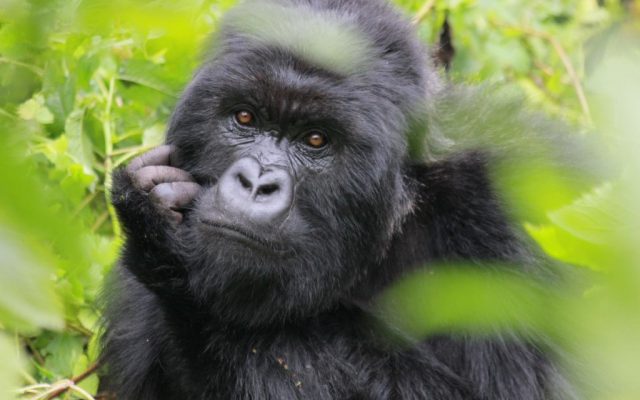
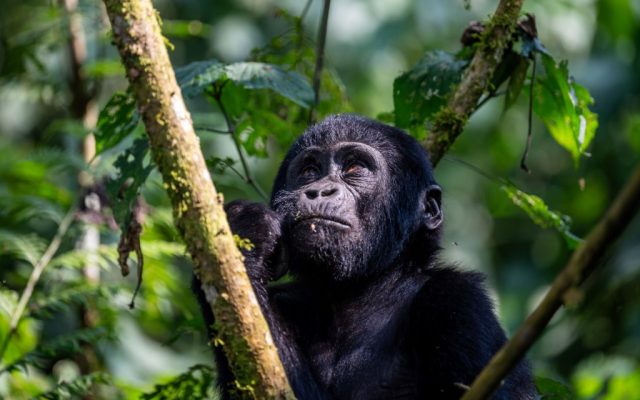
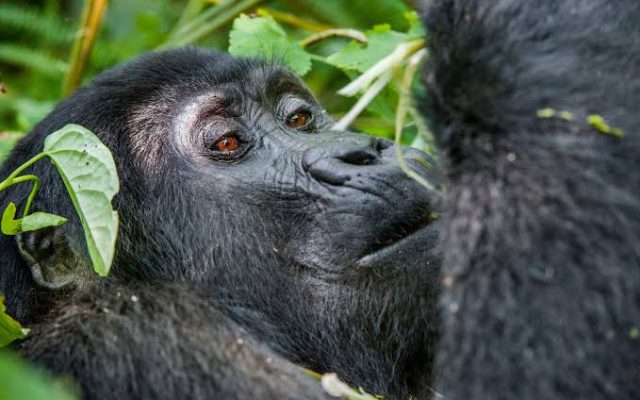
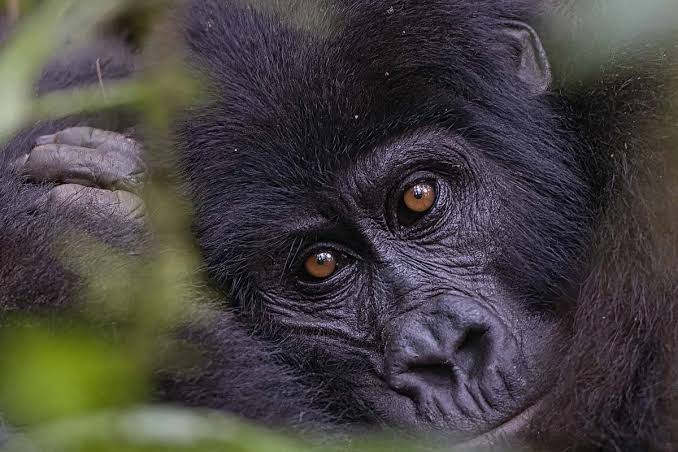
Bwindi holds roughly half of the world’s remaining mountain gorillas, spread across about 19 habituated families in the four sectors. Terrain ranges from moderate valley walks to steep ridge descents above the Albertine Rift. Altitude varies from around 1,880 metres in parts of Rushaga to roughly 2,350 metres in Ruhija. Rain falls year-round; trails are often muddy regardless of season. Your sector choice is really a choice about comfort, challenge, and how you want to spend the nights before and after the trek.
Buhoma Sector (Northern Bwindi)
Buhoma, on the park’s northern edge, is where organised gorilla tourism in Uganda began. It remains the most established sector, with the widest range of lodges—from comfortable midrange options to properties like Buhoma Lodge and Mahogany Springs—and relatively approachable forest trails by Bwindi standards.
Habituated families in Buhoma include Mubare (Uganda’s oldest tourist gorilla group), Habinyanja, Rushegura, and Katwe. Treks here are often described as easy to moderate, though “easy” in Bwindi still means hours on uneven, root-strewn paths. Buhoma suits first-time trekkers, travellers combining gorillas with Queen Elizabeth National Park, and anyone who wants strong infrastructure plus optional community visits and Batwa cultural experiences after the trek.
Access is typically via the Kabale–Ruhija–Buhoma road or flights into Kihihi airstrip followed by a short drive. If you are unsure which sector to pick, Buhoma is the conventional starting point—and for good reason.
Ruhija Sector (Eastern Bwindi)
Ruhija sits in the park’s northeast at some of Bwindi’s highest elevations, often cool and misty even when the sun shines elsewhere. It feels quieter than Buhoma, with fewer vehicles at the trailhead and a birding atmosphere that appeals to naturalists. The African green broadbill and numerous Albertine Rift endemics draw serious birdwatchers here alongside gorilla trekkers.
Gorilla families in Ruhija include Bitukura, Oruzogo, Mukiza, and Kyaguriro (the latter is primarily a research group and may not always be open to tourism). Treks are moderate to challenging: the altitude adds breathlessness, and ridges can be long. Accommodation is more limited but includes intimate lodges such as Bakiga Lodge and Gorilla Mist Camp. Ruhija works well for return visitors who want fewer crowds and do not mind a slightly more remote feel. Many guests stay near Lake Bunyonyi or in Kabale and drive in on trek morning.
Rushaga Sector (Southern Bwindi)
Rushaga, southeast of the park near Kisoro and Lake Mutanda, has the highest concentration of habituated gorilla families in Bwindi. Names you may hear include Nshongi, Mishaya, Bweza, Bikingi, Kahungye, Busingye, and Mucunguzi. More families mean more permits released from this sector on busy days, which can help when peak-season dates are sold out elsewhere.
Crucially, Rushaga is where Uganda’s gorilla habituation experience operates alongside standard treks. If you want four hours with semi-habituated gorillas rather than one hour with a fully habituated family, Rushaga is the sector to book. Terrain here is moderate to challenging: steep slopes, dense undergrowth, and treks that can run long when families range deep into the forest.
Rushaga is also convenient for travellers arriving from Kigali via the Cyanika or Gatuna border—a popular routing for short gorilla safaris. Lodges include Rushaga Gorilla Havens, Four Gorillas Lodge, and Clouds Mountain Gorilla Lodge on the higher ridges.
Nkuringo Sector (Southwestern Bwindi)
Nkuringo perches on the Nteko Ridge above steep valleys, with panoramic views toward the Virunga Volcanoes and, on clear days, as far as the peaks in Rwanda and the Democratic Republic of Congo. It is the most physically demanding sector. Treks often begin with a sharp descent into the forest and end with a strenuous climb back up—exactly when your legs are already tired.
Habituated families include Nkuringo, Christmas, and Bushaho. The sector suits fit hikers, photographers who want dramatic scenery, and travellers who value solitude over convenience. Luxury options such as Nkuringo Bwindi Gorilla Lodge and Clouds Mountain Gorilla Lodge cater to guests who accept the challenge in exchange for exclusivity. Porters are strongly recommended here; many lodges treat them as standard rather than optional.
Comparing the Four Sectors
Buhoma is the best all-round choice for first-time visitors who want established trails and the broadest lodge selection. Ruhija rewards birders and those seeking a cooler, quieter forest. Rushaga offers the most permit flexibility and the only habituation experience. Nkuringo delivers the toughest hikes and the finest views for adventurous trekkers in good shape.
None of the sectors guarantees a short trek. Gorillas move daily; your hike might last ninety minutes or five hours in any region. What you can control is where you sleep, how you get there, and whether your itinerary leaves room for recovery the next day.
Permits, Booking, and Practical Tips
Standard gorilla trekking permits for foreign non-residents cost USD 800 (2026 UWA tariff). You must book your permit for a specific sector and date. Full payment is typically required to secure the permit, and peak months—June through August and December through February—sell out months ahead. See our guide on best time for gorilla trekking in Uganda for seasonal detail.
Always lodge in the same sector as your permit. A pre-dawn drive from Buhoma to Rushaga can take three hours or more on rough roads, and UWA briefings start early. If you are comparing Bwindi with Mgahinga Gorilla National Park, note that Mgahinga has one habituated group and a different landscape entirely—only one permit region, no sector choice.
Still deciding? Contact Lion on the Rocks Safaris with your travel dates, fitness level, and whether you are flying in or driving from Kampala or Kigali. We will recommend the sector that fits your trip—not the one that is merely available on a spreadsheet.
 Read