What to Pack for Gorilla Trekking — Gorilla trekking in Bwindi Impenetrable National Park is not a nature walk on a boardwalk. It is a full morning—or an entire day for gorilla habituation—in a steep, muddy, nettle-filled rainforest where the weather changes without warning. What you wear and carry matters as much as your permit. Pack wrong and you will still see mountain gorillas; pack right and you will enjoy the journey there and back.
This guide covers practical planning for What to Pack for Gorilla Trekking, with tips you can use when comparing options.
A clear plan around What to Pack for Gorilla Trekking helps you book permits, lodges, and transport with fewer surprises.
This guide covers what to put in your daypack for a standard gorilla trek in Uganda, with notes for Bwindi’s four sectors and optional Mgahinga. Your main luggage stays at the lodge; everything below goes with you into the forest.
Footwear: The Non-Negotiable Item
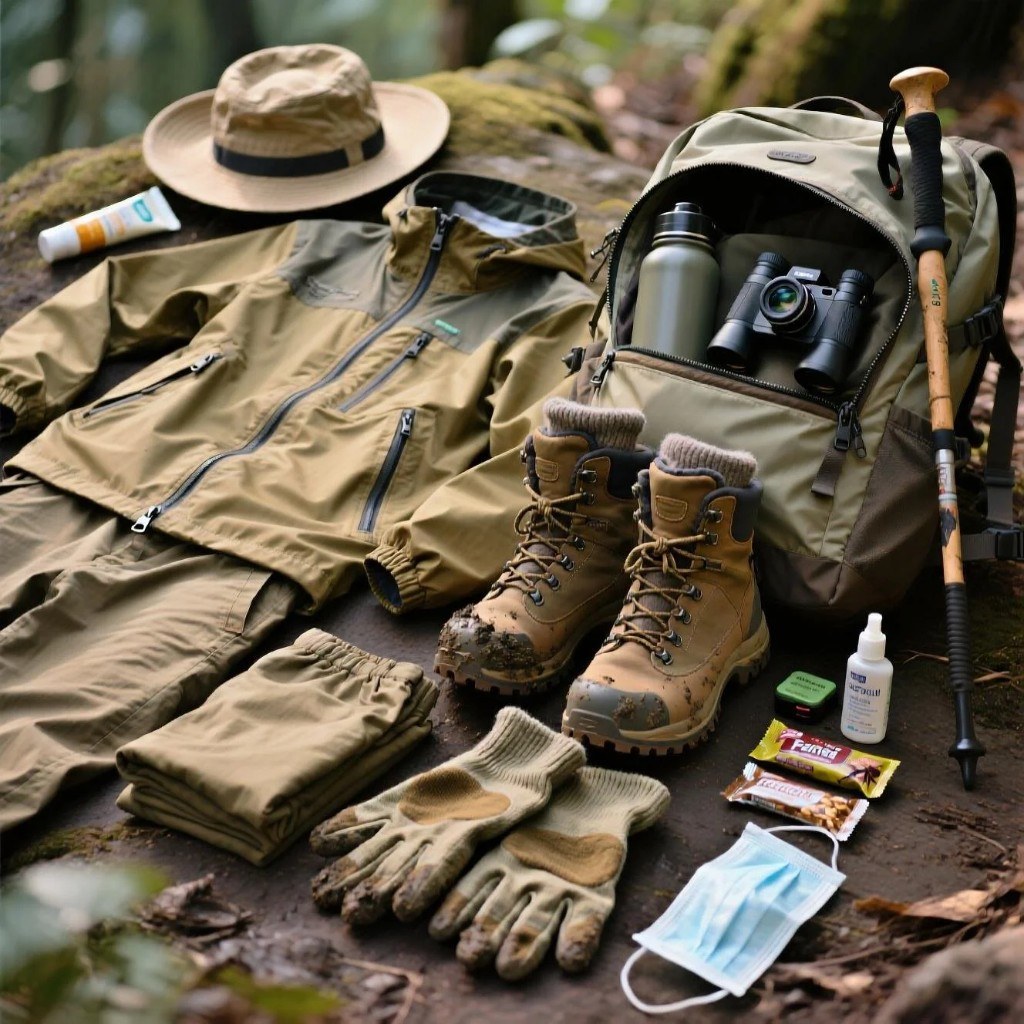
Waterproof hiking boots with ankle support are the single most important piece of gear. Bwindi’s trails include slick mud, exposed roots, loose volcanic soil, and stream crossings. Low trainers or fashion boots are a reliable route to blisters and rolled ankles.
Break your boots in before you fly to Uganda—at least several long walks on uneven ground. Gore-Tex or equivalent waterproof membranes help, but no boot stays dry forever in knee-deep mud; that is what gaiters and spare socks are for. Deep lug soles grip better on slopes, especially in the Nkuringo and Rushaga sectors where descents can be brutal.
Pack a second pair of shoes for the lodge: sandals or light trainers you can slip into after the trek when your boots are caked in red clay.
Clothing for the Forest
Wear long trousers and a long-sleeved shirt, even when the day looks warm. Stinging nettles line many trails, and you will grab branches for balance on steep sections. Lightweight, quick-drying fabrics work best—cotton stays wet and cold at altitude.
Stick to neutral colours: olive, khaki, brown, or forest green. Bright colours and camouflage patterns are discouraged. Avoid black if you can; it attracts tsetse flies in some areas. Layers are essential. Mornings at the trailhead, particularly in Ruhija at around 2,350 metres, can feel chilly before sunrise. By midday in the valley you may be warm. A fleece or light down jacket in your pack covers the cold start.
A waterproof rain jacket with a hood beats a poncho, which snags on branches and offers poor ventilation. Rain can fall in any month; the forest canopy drips long after showers pass. For the best seasons and weather patterns, see best time for gorilla trekking in Uganda.
Gloves, Gaiters, and the Details Trekkers Forget
Simple gardening gloves—cotton with rubber grip dots—are one of the most underrated items on any packing list. You will haul yourself up slopes using vegetation that bites back. Gloves protect against nettles, thorns, and soldier ants. Bring a spare pair; wet gloves are miserable.
Knee-high waterproof gaiters keep mud out of your boots and stop trouser legs from wicking water upward. In Bwindi’s red clay, gaiters earn their space in your bag. Trekking poles or walking sticks help on descents; lodges and park gates often provide wooden sticks, though lightweight collapsible poles travel better if you already own them.
Daypack Essentials
Carry a 20–30 litre daypack with a rain cover or internal dry bags. Inside, pack:
At least two litres of water in a reusable bottle or bladder. Plastic single-use bottles are discouraged in the park. Energy snacks—nuts, dried fruit, granola bars—because breakfast may be early and the trek can run past midday. Insect repellent (DEET or picaridin) applied before entering the forest; sunscreen for exposed skin at briefing. A small towel or bandana, lip balm, and any personal medication including blister plasters.
Keep your passport copy and permit confirmation in a waterproof pouch. Rangers verify identity and age at briefing. Cash in Ugandan shillings for porter fees (typically USD 15–20, paid locally) and tips for guides and trackers. Hiring a porter is optional but wise on long or steep treks; they carry your bag and know the terrain. Porters also create employment for neighbouring communities—a direct benefit of gorilla tourism.
Photography and Electronics
Bring a camera or phone you are comfortable using one-handed on a slope. Flash photography is strictly forbidden near gorillas—it can provoke a silverback. Pack extra batteries; cold, humid mornings drain power quickly. A rain sleeve or zip-lock bag protects gear in downpours.
Binoculars (8×42 is a practical size) reward birders, especially in Ruhija. A headlamp is useful if your lodge has uneven paths at night, though it is not needed during the trek itself.
Health and Hygiene Items
UWA may require a face mask during the one hour with gorillas to reduce disease transmission—carry a clean disposable or reusable mask in your pack. Mountain gorillas are vulnerable to human respiratory infections; if you feel unwell on trek morning, inform your guide immediately. You may be asked to stand down to protect the animals. See gorilla trekking rules and age limits for the full health policy.
Hand sanitiser is useful before snacks on the trail (never eat near the gorillas themselves). Toilet facilities at trailheads are basic; some trekkers carry tissue and a small trowel for emergencies far from facilities, though most hikes pass near enough to manage before or after the forest section.
What to Leave at the Lodge
Do not bring valuables you cannot carry securely. Leave jewellery, heavy laptops, and large amounts of cash in your room safe. Scented toiletries and perfume are pointless in the forest and can attract insects. Drones are not permitted in the national park.
Pack your main safari bag with neutral lodge-appropriate clothing for evenings. After the trek, hot showers and clean clothes at properties like those in Buhoma or near Lake Bunyonyi feel especially good.
Packing by Sector and Experience Type
All sectors share the same core list. Nkuringo and Rushaga demand the sturdiest boots and strongest knee support. Ruhija requires warmer layers for cold mornings. Habituation trekkers should double water and snacks and carry an extra shirt—four hours in the forest is a long day. If you are flying into Kihihi or Kisoro for a short gorilla safari, pack trekking gear in carry-on in case checked luggage is delayed.
Quick Checklist Before You Leave Home
Waterproof broken-in hiking boots. Two pairs of thick hiking socks. Long trousers and long-sleeved shirt. Rain jacket and warm mid-layer. Gardening gloves and gaiters. Daypack with rain cover. Two litres of water capacity. Snacks, repellent, sunscreen. Camera without flash, spare batteries. Passport, permit, cash for porters. Mask and hand sanitiser.
Still building your itinerary? Contact Lion on the Rocks Safaris for a tailored packing note based on your sector—Buhoma, Ruhija, Rushaga, or Nkuringo—and season. The gorillas are worth the mud. Your feet should not pay the price for poor preparation.
 Read
Read