
Gorilla Trekking Rules and Age Limits — Standing a few metres from a wild mountain gorilla is among the most moving experiences in African travel. It is also one of the most regulated. The Uganda Wildlife Authority (UWA) enforces strict gorilla trekking rules at Bwindi Impenetrable National Park and Mgahinga Gorilla National Park to protect endangered gorillas and the people who visit them. These are not suggestions whispered by guides—they are conditions of your permit, explained at the morning briefing and monitored in the forest.
This guide covers practical planning for Gorilla Trekking Rules and Age Limits, with tips you can use when comparing options.
A clear plan around Gorilla Trekking Rules and Age Limits helps you book permits, lodges, and transport with fewer surprises.
Understanding the rules before you travel prevents disappointment at the gate, especially around age limits and health screening. At Lion on the Rocks Safaris, we verify passport details when booking permits so families are not caught off guard on trek day.
Why the Rules Exist
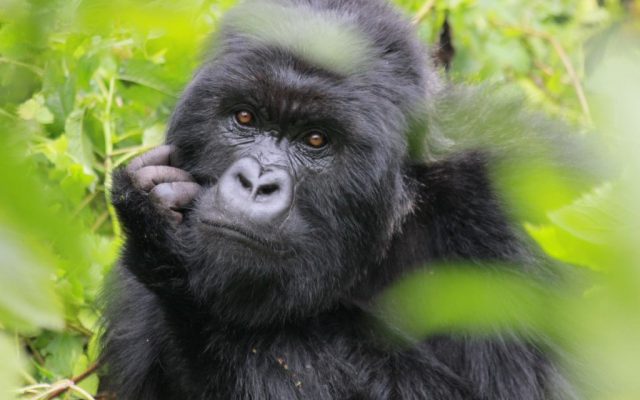
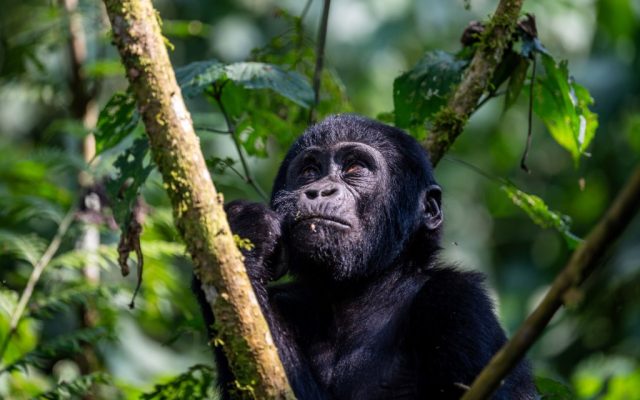
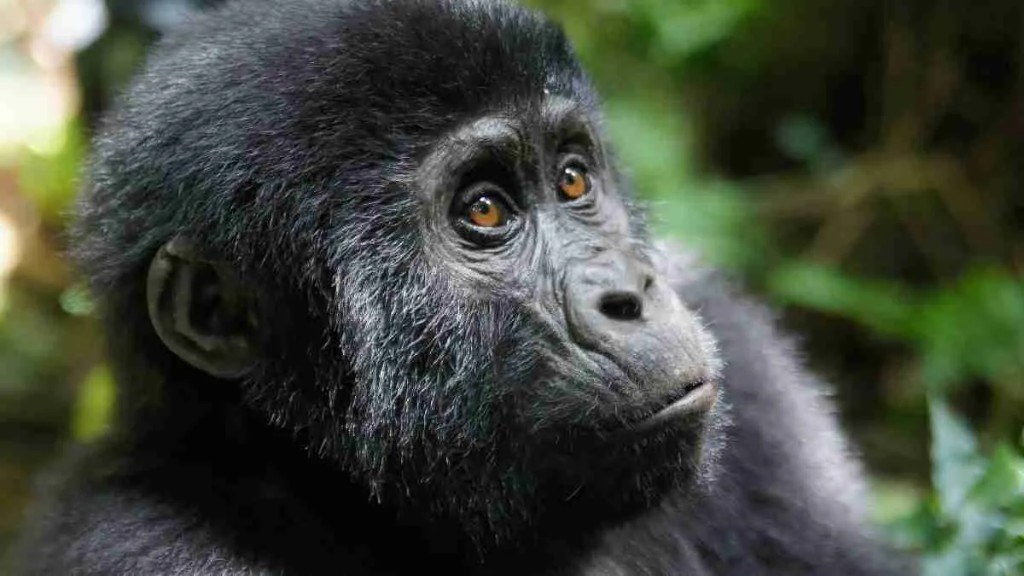
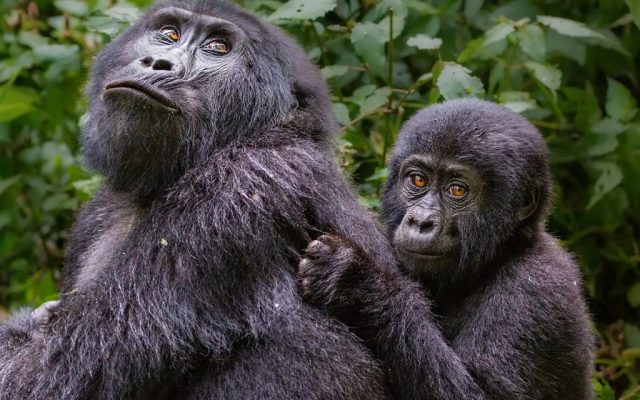
Mountain gorillas number just over 1,000 individuals worldwide. They are classified as endangered, and habituated families tolerate humans only because decades of careful contact taught them we are not a threat. That trust is fragile. Gorillas share roughly 98 percent of human DNA, which means our common cold, flu, or intestinal illness can kill them. Stress from careless behaviour—loud voices, crowding, flash cameras—can push a silverback to charge or force a family to flee into dangerous terrain.
UWA’s guidelines align with international great ape tourism standards. Breaking them can end your trek immediately, invalidate future visits, and harm conservation efforts that depend on responsible gorilla tourism in Uganda.
Minimum Age: Fifteen Years
The official minimum age for gorilla trekking in Uganda is fifteen years on the day of the trek—not the day you book. Rangers check passports at the briefing centre before groups enter the forest. Children under fifteen are not issued permits and cannot join, even if they are tall for their age or experienced hikers.
The rule exists for practical reasons. Treks can last from one to eight hours on steep, muddy terrain. Younger children tire quickly, may react unpredictably near a 200-kilogram silverback, and are more likely to carry—or spread—infectious diseases. Rwanda enforces the same fifteen-year limit with little flexibility. Uganda is slightly more nuanced.
Exceptions for Fourteen-Year-Olds
In rare cases, UWA may grant written permission for a mature fourteen-year-old who is close to their fifteenth birthday, physically fit, and accompanied by a parent. This is not automatic. Parents must submit a formal request to UWA with the child’s passport copy and recent photographs demonstrating stature and maturity. If approved, a parent signs an indemnity waiver at park headquarters accepting full responsibility. The child is usually assigned to a gorilla group nearer the trailhead to shorten the hike.
Do not book a permit for a fourteen-year-old assuming approval will follow. Plan alternative activities—community walks, Lake Bunyonyi canoe trips, or golden monkey tracking in Mgahinga—for younger family members while adults trek. For chimpanzee tracking in Uganda, the minimum age is twelve, which helps families with mixed-age children.
Maximum Age and Fitness
There is no upper age limit. Trekkers in their seventies and eighties complete gorilla hikes regularly, often with porters and sedan chairs—woven carriers lifted by teams of porters on the steepest sections. If mobility is a concern, discuss options when booking your sector; Buhoma and some Rushaga trails are less punishing than Nkuringo’s ridge descents. Read Bwindi sectors explained for terrain comparisons.
Distance, Time, and Group Size
During the encounter with gorillas, visitors must stay at least seven metres away—UWA briefing materials often cite seven metres, though rangers may ask for more if gorillas move closer. Never attempt to close the gap for a photograph. If a gorilla approaches, you slowly back away while following ranger instructions.
Standard trekking allows one hour with the gorilla family once contact is made. The clock starts when the group settles near the animals. When time expires, you leave—no extensions. A maximum of eight visitors per gorilla group per day, plus rangers and trackers, keeps pressure low.
The gorilla habituation experience permits four visitors for up to four hours with semi-habituated families in Bwindi’s Rushaga and Nkuringo sectors. Separate rules and pricing apply; the age limit remains fifteen.
Health Rules: When You Must Not Trek
Anyone with signs of a contagious illness must not participate. This includes cold, flu, cough, fever, diarrhoea, or any respiratory infection. Rangers observe trekkers at briefing and may exclude you to protect the gorillas—even without a refund. If you feel unwell the night before, inform your guide immediately. Rescheduling depends on permit availability and UWA policy, not tour operator discretion.
Visitors may be asked to wear a face mask during the hour with gorillas to reduce airborne transmission. Carry a clean mask in your daypack alongside other essentials from our packing guide. Turn your head away and cover your mouth if you need to cough or sneeze near the group.
Behaviour in the Forest
Speak quietly. Sudden movements and loud noises disturb gorillas and other wildlife. Eating, drinking, and smoking near the animals are prohibited. Do not touch gorillas under any circumstance—even a curious juvenile reaching toward you. Do not mimic gorilla sounds or stare directly into a silverback’s eyes during a tension moment.
Flash photography is strictly forbidden. Turn off camera flash and phone autoflash before you enter the clearing. Tripods are usually impractical on slopes; monopods are acceptable if they do not obstruct others.
Stay with your group and follow the lead ranger. Toilet needs must be handled buried at least 30 centimetres deep, far from water sources—your guide will direct you if necessary. All litter, including organic waste, must leave the forest with you.
What Happens at the Briefing
Every trek begins with a registration and briefing at sector headquarters—Buhoma, Ruhija, Rushaga, Nkuringo, or Mgahinga’s Ntebeko. Rangers explain the day’s rules, assign you to a gorilla family based on fitness and tracking reports, and split you into groups of up to eight. Porters are hired here. Walking sticks are often available free or for a small tip.
Your permit is checked against your passport. Age verification happens at this stage. Arrive on time; late arrivals forfeit the trek without refund. Briefings typically start between 7:00 and 8:00 am depending on sector.
Penalties and Conservation Impact
Violating gorilla trekking rules can result in immediate termination of your visit, fines, and bans from UWA-managed parks. More importantly, reckless tourism has caused gorilla groups to become nervous or aggressive, forcing rangers to suspend visits while families recover—a loss for conservation revenue and local employment.
Permit fees fund anti-poaching patrols, veterinary care, and community revenue-sharing projects. The USD 800 standard permit (2026 foreign non-resident rate) is expensive because it buys protection, not merely an hour with animals. Treat the rules as part of that investment.
Planning a Compliant Safari
Book permits through a registered operator who submits passport details correctly. Choose a sector that matches your fitness—especially for families with older teenagers or seniors. Pack properly, rest the night before, and be honest about your health at briefing.
Questions about age waivers, habituation versus standard treks, or combining Bwindi with a short gorilla itinerary? Contact Lion on the Rocks Safaris. We handle UWA correspondence, lodge logistics, and the details that let you focus on the gorillas—not the paperwork at the gate.
 Read
Read