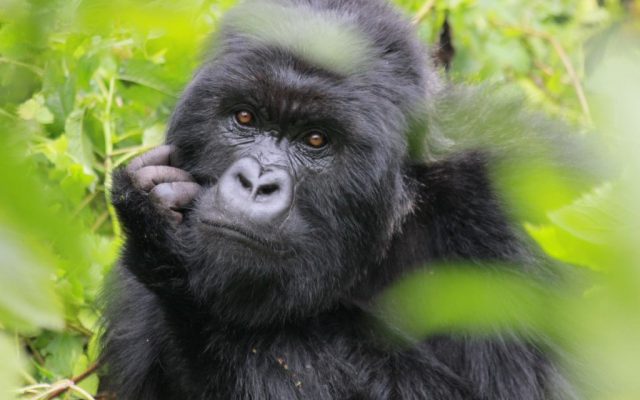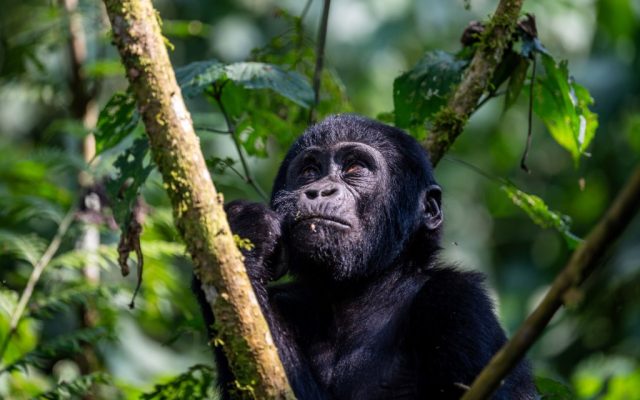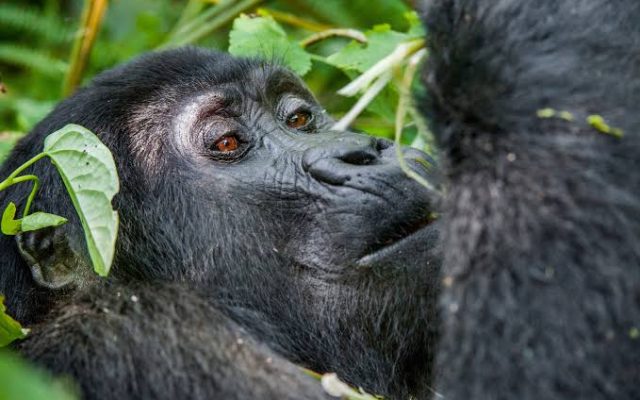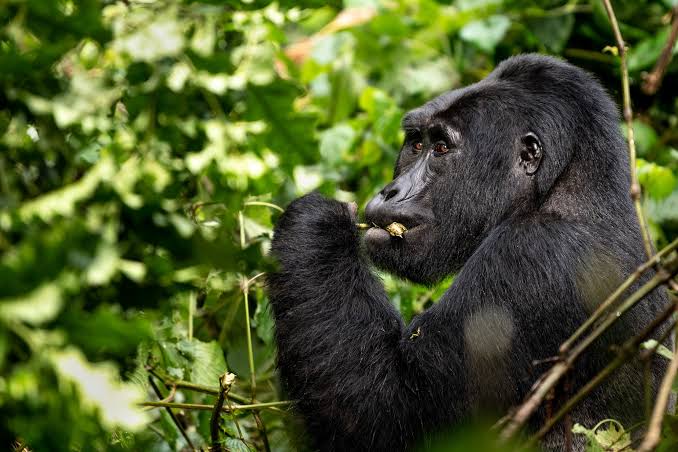
Gorilla Habituation Experience Uganda — Most travellers who reach Bwindi Impenetrable National Park have one hour in mind: the standard visit with a habituated mountain gorilla family, then back to the lodge for a celebratory drink. The gorilla habituation experience is something else entirely. Instead of a brief encounter with gorillas already comfortable around people, you spend up to four hours alongside researchers and rangers with a family still learning to tolerate human presence. Uganda is the only country where tourists can participate in this process. Rwanda and the Democratic Republic of Congo offer excellent gorilla trekking, but not habituation.
This guide covers practical planning for Gorilla Habituation Experience Uganda, with tips you can use when comparing options.
A clear plan around Gorilla Habituation Experience Uganda helps you book permits, lodges, and transport with fewer surprises.
UWA launched the programme on 1 January 2014. It was designed as a conservation tool—not a luxury add-on—giving a handful of visitors deeper insight while funding the slow, careful work of habituation. If you are a photographer, a primatology enthusiast, or simply someone who wants more than sixty minutes with the great apes, this is the experience to understand before you book.
How Habituation Differs from Standard Trekking
Standard gorilla trekking assigns you to a fully habituated family. After a briefing and hike through the forest, you receive one hour with the gorillas. The group is limited to eight trekkers plus rangers. The permit costs USD 800 for foreign non-residents under the 2026 tariff.
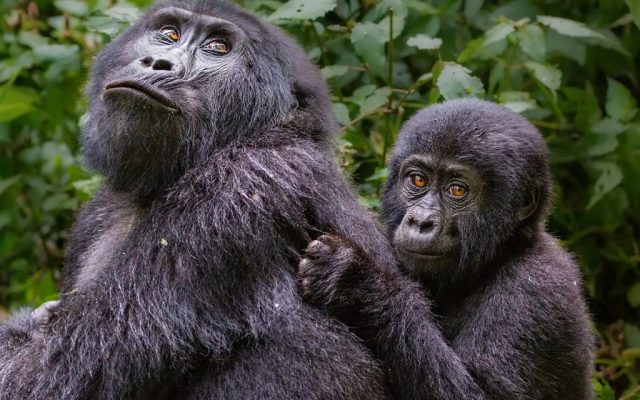
The habituation experience targets semi-habituated families—groups midway through the multi-year process of accepting daily human observers. Only four visitors per day join the team. Once trackers locate the family, you may remain with them for up to four hours. That time excludes the hike in and out; a full day in the forest is realistic. The permit costs USD 1,500 for foreign non-residents.
The pace is different, too. Habituated gorillas during a standard trek often rest, feed, or move predictably within view. Semi-habituated families may be warier. You might sit quietly for long stretches while a silverback decides whether to stay or leave. Rangers and researchers narrate behaviour in real time. You are witnessing conservation as it happens, not only the polished end result.
Where It Happens in Bwindi
Gorilla habituation treks operate only in Bwindi, on the southern side of the park in the Rushaga and Nkuringo sectors. Two families have been set aside for the experience. Your permit is booked for that region, and you must stay at a lodge within practical driving distance—same rule as standard trekking. Crossing Bwindi between sectors on trek morning is not feasible.
Rushaga is the sector most associated with habituation and also holds the largest number of standard trekking families, which helps if you are combining experiences across multiple days. Nkuringo offers the habituation option in a dramatic ridge-top setting with steep terrain. Read our Bwindi gorilla trekking sectors explained guide if you are weighing which southern sector fits your fitness and lodge preferences.
What a Habituation Day Looks Like
Your day starts early at the sector headquarters, similar to a normal trek briefing. Rangers explain rules that are stricter than many visitors expect: maintain distance, no flash photography, no eating near the gorillas, speak softly, and follow every instruction from the team. Because these gorillas are not fully habituated, the rangers may position you more cautiously or move the group when a silverback shows tension.
The forest search can take longer than on a standard trek. Semi-habituated families do not always stay in familiar ranges. Once contact is made, the four-hour clock begins. You might watch juveniles wrestle, observe nesting behaviour, or follow a group through thick vegetation as trackers cut a path. Photographers appreciate the extended window; casual visitors should honestly assess whether four hours of observation matches their interest level.
Physical fitness matters more here. You are on your feet longer, often in mud and on slopes. Trekking poles, porters, and proper footwear are not optional extras—they are part of making the day manageable. Our gorilla trekking packing list applies fully to habituation days, with extra emphasis on snacks, water, and spare layers.
Permits, Cost, and Availability
With only four habituation permits issued per day per family, availability is far tighter than standard trekking. UWA sells permits through registered tour operators and its reservations office. Foreign residents pay USD 1,000; East African citizens pay UGX 750,000. The fee includes park entry, ranger guides, and the conservation levy built into all gorilla permits.
Book as early as possible—six months or more ahead for peak season (June–August, December–February). Low-season months may still require three months’ lead time. Unlike some standard permits, habituation slots rarely appear last-minute. If your dates are fixed, secure the permit before flights.
For a broader cost comparison, see our pages on gorilla habituation and standard Uganda gorilla trekking packages. Habituation is not automatically “better”—it is longer, pricier, and more demanding. Many first-time visitors are happier with a standard trek plus a second day for forest walks or Lake Bunyonyi.
Who Should Choose Habituation
Choose habituation if you want extended observation time, work in wildlife photography or research, or plan a dedicated gorilla-focused itinerary such as our longer Uganda safari packages with multiple primate days. Skip it if you are unsure about hiking fitness, travelling with teenagers who meet the age limit but tire easily, or simply want a single powerful hour without committing most of a day to the forest.
The minimum age is fifteen, the same as standard trekking. Health rules are equally strict: anyone with a contagious illness—cold, flu, respiratory infection—must not participate. Mountain gorillas share roughly 98 percent of human DNA; a human virus can devastate a family group. Rangers may turn visitors away at briefing if they appear unwell.
Rules Worth Remembering
Habituation follows the same ethical framework as standard treks, with distance kept to at least seven metres where possible—sometimes more if the gorillas are unsettled. Flash photography is prohibited. Touching, feeding, or mimicking gorilla vocalisations is forbidden. When the silverback charges—a bluff in most cases—you crouch down and avert your eyes as instructed. These rules exist for the gorillas’ safety, not to dampen your experience.
For the full regulatory picture, including age limits and health requirements, read gorilla trekking rules and age limits. Planning a combined Rwanda–Uganda route? Habituation is Uganda-only; allocate the extra day on the Ugandan side of your itinerary.
Ready to book? Contact Lion on the Rocks Safaris with your preferred month and sector. We check UWA availability, match lodges in Rushaga or Nkuringo, and build the habituation day into a seamless gorilla safari or longer adventure.
 Read
Read