Explore this species across our habitat guide, where to see page, and safari planning resources — plus parks such as Lake Mburo and Kidepo Valley.
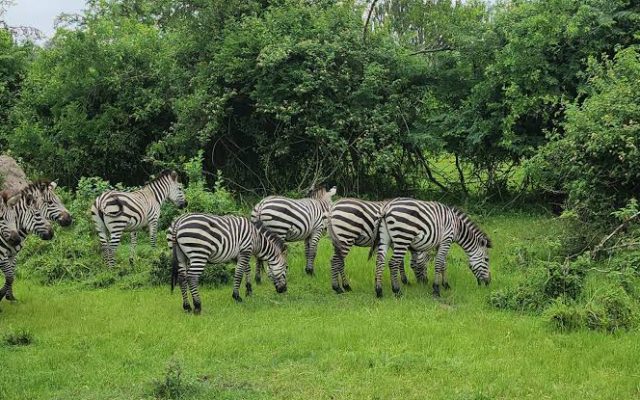
Plains zebras belong to the open country. Their world is grass, sky, scattered acacia, seasonal rain, and the constant awareness of predators watching from woodland edges. Understanding zebra habitat explains why they appear where they do on a Uganda game drive — and why certain parks deliver sightings far more consistently than others.
This guide explores plains zebra habitat across Africa and in Uganda's savannah ecosystems, including seasonal range use, water dependence, and the landscape features that support healthy herds.
Core Habitat Requirements
Plains zebras need three things in balance: grazeable grass, reliable water, and enough open visibility to detect predators early. They favour:
- Short- to medium-height grasslands
- Open savannah with scattered acacia and bush
- Floodplain margins and lake shores in dry season
- Woodland edges where grazing meets cover
- Areas with seasonal green flushes after rain
They generally avoid dense forest and extreme desert, though they tolerate semi-arid conditions when water points exist — as in parts of Kidepo Valley National Park.
African Range
Plains zebras occur across eastern and southern Africa, from Ethiopia and East Africa south through Zambia, Botswana, and northern South Africa. Populations vary from highly sedentary groups in compact ranges to vast migratory herds in ecosystems like the Serengeti–Mara, where hundreds of thousands move with rainfall and fresh grass.
Uganda's Savannah Ecosystems
Uganda sits at the northern edge of the plains zebra's continental range. Here, zebras inhabit protected savannah rather than agricultural land or montane forest. Each park offers a distinct habitat mosaic:
Lake Mburo National Park
Lake Mburo's rolling acacia woodland, open valleys, and seasonal wetlands create ideal Burchell's zebra country. Short grasses around the lake basin and eastern plains support Uganda's strongest zebra population. The park's compact size concentrates wildlife, making habitat and viewing overlap — excellent for half-day game drives.
Kidepo Valley National Park
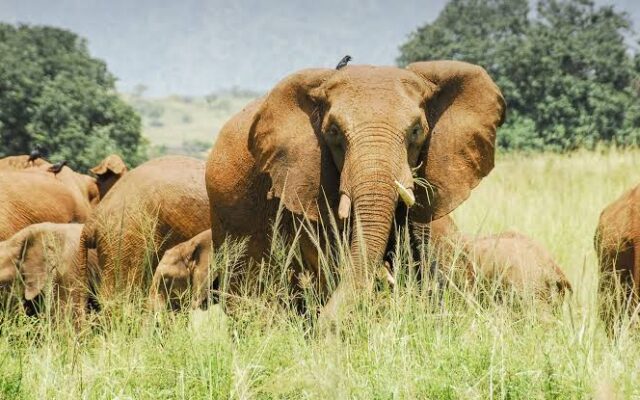
Kidepo's semi-arid Narus Valley and open plains resemble classic East African savannah. Zebras share the valley with buffalo, elephant, giraffe, and predators. Water in the Narus River and seasonal pans shapes dry-season distribution — herds gather where grazing stays green longest.
Queen Elizabeth National Park
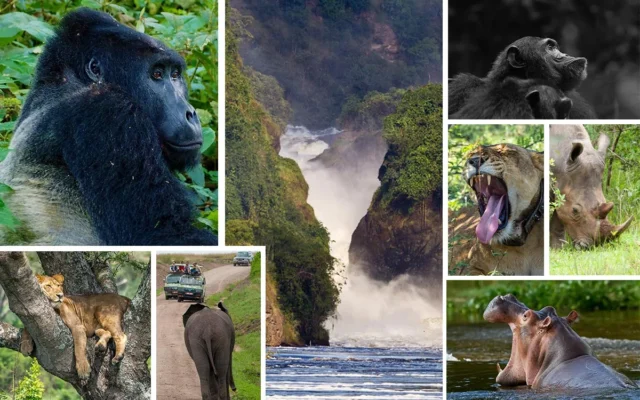
Queen Elizabeth's Ishasha plains, Kasenyi grasslands, and crater margins provide mixed savannah habitat. Zebras occur in moderate numbers alongside kob, buffalo, elephant, and predators. The park's habitat diversity means zebras may share views with tree-climbing lions and Kazinga Channel wildlife on combined itineraries.
Murchison Falls National Park
Murchison's northern savannah — Buligi Peninsula, Delta, and open plains north of the Nile — supports zebras in grassland–woodland transition zones. Herds are smaller than at Lake Mburo but add striped contrast to Uganda's largest park, often alongside Rothschild's giraffe and buffalo.
Seasonal Habitat Use
Uganda's zebras are not long-distance migrants like Serengeti populations, but they move seasonally within home ranges. During rains, herds disperse across wider grazing areas as grass grows tall and water is abundant. In dry months, they concentrate near permanent water — lake shores, river valleys, and remaining green pockets — which is when game drives often produce the densest, most photogenic encounters.
Water Dependence
Zebras drink daily when water is available and may travel several kilometres to reach it in drought. On afternoon game drives in dry season, watch track networks leading to waterholes and lake margins; herds often arrive in loose lines, stallions trailing or leading depending on perceived risk.
Grass Quality and Grazing Pressure
Zebras are bulk grazers, often feeding on coarser grasses that shorter-legged antelope avoid. Their grazing interacts with fire, rainfall, and the feeding of buffalo, waterbuck, and impala — a dynamic that keeps savannah open and productive. In Lake Mburo, zebra–impala–warthog combinations on short grass are a defining habitat snapshot.
Habitat Threats
Outside protected areas, zebras lose habitat to cultivation, livestock fencing, and settlement expansion. Inside parks, habitat remains relatively intact, though invasive species, fire suppression, and climate variability can alter grass composition over time. Conservation depends on maintaining large, connected savannah landscapes.
Habitat and Game Drives
For travellers, habitat knowledge translates directly into better game drives. Target open plains and lake margins in dry season; explore woodland edges at dawn when zebras move from cover to graze; ask your guide which valleys held herds yesterday — zebra movements often follow predictable seasonal patterns within each park. Pair this page with where to see plains zebras and best time to see for itinerary timing.