Explore this species across our habitat guide, where to see page, and safari planning resources — plus parks such as Lake Mburo and Kidepo Valley.
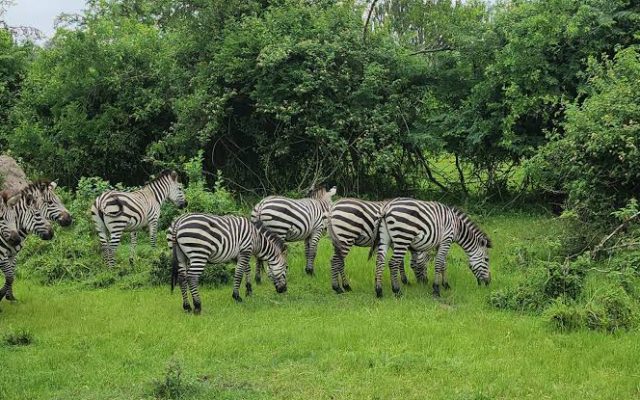
Plains zebras remain widespread across much of Africa, yet their conservation story is not one of complacency. Listed as Near Threatened by the IUCN, the species has declined significantly in some regions while remaining stable or locally abundant inside well-managed protected areas. Uganda's savannah parks play an important role in that picture — offering refuge, tourism revenue, and scientific monitoring for Burchell's zebra populations.
This guide covers conservation status, threats, protected-area management, and how responsible safari tourism supports zebra survival.
Global Conservation Status
The plains zebra (Equus quagga) is classified as Near Threatened on the IUCN Red List. Continental numbers remain substantial, but regional declines — driven by habitat loss, hunting, and competition with livestock — have reduced populations in countries where zebras once ranged freely. Conservation attention focuses on maintaining connected savannah landscapes and reducing illegal offtake outside reserves.
Uganda Populations
Uganda hosts Burchell's zebra in several protected savannah ecosystems. Populations are considered stable within:
- Lake Mburo National Park — the country's primary zebra stronghold
- Kidepo Valley National Park — remote northern savannah herds
- Queen Elizabeth National Park — Ishasha and Kasenyi grasslands
- Murchison Falls National Park — northern sector plains
The Uganda Wildlife Authority monitors large mammal trends through aerial and ground surveys. Zebra counts inform management decisions on fire, water provision, and anti-poaching deployment.
Major Threats
Habitat Loss and Fragmentation
Conversion of savannah to farmland and settlement removes grazing range and blocks seasonal movement corridors. Fencing for livestock is particularly damaging where it prevents access to water and dry-season refuges.
Hunting and Poaching
Zebras are hunted for meat and skins in some parts of Africa. Inside Uganda's parks, anti-poaching patrols and tourism presence reduce pressure, though snares and illegal entry remain ongoing management challenges.
Human–Wildlife Conflict
Where zebras range near community land, crop raiding is less common than with elephant or buffalo, but competition for water and grazing can create tension. Revenue-sharing from park tourism helps align community interests with wildlife protection.
Disease and Drought
Drought concentrates animals at water, increasing disease transmission risk and predator pressure. Extreme climate variability tests savannah carrying capacity across East Africa.
Protected Area Management
National parks provide the core of zebra conservation in Uganda. Management tools include:
- Ranger patrols and intelligence-led anti-poaching
- Fire management to maintain grassland quality
- Water point monitoring in dry season
- Research on population trends and range use
- Tourism regulation to minimise vehicle stress on herds
Lake Mburo's relatively compact ecosystem allows intensive monitoring — zebra health here often signals wider savannah condition in western Uganda.
Reintroduction and Range Restoration
Uganda has undertaken wildlife restocking projects in some reserves to restore species where local extinction occurred. Such efforts require long-term habitat security and community support. Zebras serve as visible indicators of restored savannah function when populations establish and breed successfully.
Tourism as a Conservation Tool
Every park entrance fee and safari booking contributes to Uganda's conservation economy. Zebras — highly visible on game drives — help attract visitors whose spending funds rangers, roads, and community programmes. Choosing licensed operators, respecting park rules, and avoiding harassment of herds from vehicles are direct conservation actions travellers can take.
Research and Monitoring
Stripe patterns allow individual identification in photo-mark-recapture studies. Researchers track mare fidelity, foal survival, and range size across seasons. Genetic work has shown Uganda's zebras among the more distinct northern populations of the species — underscoring the value of protecting them as more than a generic savannah backdrop.
What Travellers Can Do
- Book safaris through reputable Uganda operators
- Follow guide and ranger instructions on vehicle distance and speed
- Never encourage off-road driving to chase herds
- Share conservation-minded safari stories that support park funding
- Explore plains zebra safari experiences that combine multiple parks responsibly
Looking Ahead
Regional Context
Across East Africa, plains zebra numbers have fallen in countries where rangeland was converted to agriculture or where unregulated hunting removed animals from community land. Uganda's advantage is a network of gazetted parks with statutory protection, ranger capacity, and a tourism industry that treats zebras as marquee savannah wildlife rather than bushmeat. Maintaining that model requires continued investment in patrols, community revenue sharing, and research that tracks whether foal survival and dry-season body condition remain healthy year on year.
Plains zebra conservation succeeds where savannah stays open, water remains accessible, and human communities benefit from wildlife. Uganda's game-drive parks offer a workable model — visible herds, active management, and tourism demand that keeps rangers on the ground. Protecting zebras means protecting the grasslands they share with lions, antelope, and the classic safari experience itself.