
Plains Zebra FAQs and Answers — quick answers on biology, stripes, herd behaviour, where to see zebras in Uganda, game drives, and safari planning. Explore best time to visit, plains zebra safari experiences, and Uganda safari packages for deeper guides — or request a quote for a tailored itinerary.
- What is a plains zebra?
The plains zebra (Equus quagga) is the most widespread zebra species in Africa — a medium-sized wild horse of savannah grasslands. In Uganda, the Burchell's zebra subspecies (E. q. burchellii) occurs on game drives in Lake Mburo, Kidepo, Queen Elizabeth, and Murchison Falls national parks.
- What is the difference between plains zebra and Burchell's zebra?
Burchell's zebra is a subspecies of the plains zebra, not a separate species. It shows the classic black-and-white striping with brownish shadow stripes on the lower legs and fainter inter-stripes on the body — the form most visitors see on Uganda safaris.
- Why do zebras have stripes?
Researchers propose several functions: confusing predators at speed, deterring biting flies, social recognition between herd members, and possibly thermoregulation. Each zebra's stripe pattern is unique, like a fingerprint — useful for identification on safari and in research.
- Where can I see plains zebras in Uganda?
The best zebra viewing is on game drives in Lake Mburo National Park (most reliable), Kidepo Valley National Park, Queen Elizabeth National Park, and Murchison Falls National Park. See our where to see plains zebras guide for park comparisons.
- Which Uganda park is best for zebra game drives?
Lake Mburo National Park is Uganda's top zebra destination — abundant Burchell's zebras, compact savannah, and excellent half-day game drives from Kampala or Entebbe. Kidepo offers the most dramatic wilderness setting.
- How much does a plains zebra weigh?
Adult plains zebras typically weigh between 200 and 350 kilograms, with stallions generally heavier than mares. They are smaller than horses but powerfully built for running.
- How tall is a plains zebra?
Plains zebras stand roughly 1.2 to 1.4 metres at the shoulder — about the height of a pony, but with the lean muscular build of a wild equid adapted to predator-rich savannah.
- How fast can a zebra run?
Plains zebras can reach speeds of up to 65 kilometres per hour (40 miles per hour) over short distances — fast enough to outrun many predators when the herd scatters and stallions defend the group.
- What do plains zebras eat?
Zebras are primarily grazers, feeding on a wide range of grasses. They may occasionally browse leaves or stems when grass is scarce. Learn more on our plains zebra diet page.
- How long do plains zebras live?
In the wild, plains zebras generally live around 20 to 25 years, depending on predation, drought, disease, and habitat conditions inside protected areas.
- Do plains zebras live in herds?
Yes. Zebras are highly social. Their basic unit is the harem — one stallion, several mares, and offspring — which may join other harems and bachelor groups to form larger herds. Read more on our plains zebra behaviour page.
- What is a zebra harem?
A harem is a stable family group led by one dominant stallion, with adult mares and their foals. Mares often form the strongest bonds within the group. Stallions defend harems from rivals and predators.
- What are zebra bachelor groups?
Bachelor groups are bands of young or non-breeding males expelled from harems. They graze together, practise sparring, and may trail behind larger herds — behaviour often visible on Lake Mburo game drives.
- Do zebras migrate in Uganda?
Uganda's zebras are not part of the Serengeti–Mara Great Migration. They make shorter seasonal movements within park home ranges — dispersing in wet season and concentrating near water in dry months. See best time to see plains zebras for seasonal game-drive planning.
- What predators hunt zebras in Uganda?
Lions are the main predator of adult zebras in Uganda's savannah parks. Leopards, hyenas, and African wild dogs may target foals and weaker individuals where present — especially in Queen Elizabeth, Murchison, and Kidepo.
- How do zebras defend against predators?
Zebras rely on speed, kicking, collective vigilance, and alarm calls. Stallions defend harems; the herd's striped patterns may confuse predators during a chase. Watching tension rise before a lion approach is a highlight of patient game drives.
- What is the best time to see zebras in Uganda?
Zebras are visible year-round. Dry seasons (roughly June–August and December–February) generally offer shorter grass, herd concentrations near water, and the best photography light on dawn game drives. See our best time to see guide.
- Do I need a special permit to see zebras?
No separate zebra permit is required. Viewing is included with national park entry on standard game drives. Unlike gorilla trekking, zebra safaris need only your park fees and a guided vehicle circuit.
- Can I see zebras on a walking safari?
Lake Mburo National Park offers guided walking safaris (where permitted by Uganda Wildlife Authority), providing a rare ground-level perspective on zebra herds. Most zebra viewing elsewhere is from a vehicle on game drive.
- Are plains zebras endangered?
The plains zebra is listed as Near Threatened on the IUCN Red List. Populations remain stable in Uganda's protected savannah parks, but habitat loss and hunting threaten the species in some parts of Africa. Learn more on our conservation page.
- How do zebras communicate?
Zebras use barks and snorts as alarm calls, whinnies for contact, ear position and body posture for threat displays, and mutual grooming to strengthen social bonds within harems.
- When do zebras give birth?
Mares typically produce one foal after roughly 11–12 months of gestation. Birthing often peaks during or after rainy seasons when grass quality supports lactating mothers — a rewarding season for foal photography on game drive.
- How soon can zebra foals walk?
Foals can stand within minutes of birth and run within hours — essential survival in lion country. They stay close to their mothers while learning herd routes and alarm responses.
- What habitats do plains zebras prefer?
- Can zebras and wildebeest be seen together in Uganda?
Mixed zebra–wildebeest herds are iconic in Tanzania and Kenya. In Uganda, zebras more often graze alongside impala, buffalo, waterbuck, and Uganda kob — especially at Lake Mburo and Queen Elizabeth.
- What role do zebras play in savannah ecosystems?
Zebras are important grazers and prey species. Their grazing helps maintain open savannah, and they support lion and other predator populations — making them ecologically and economically valuable for safari tourism.
- How should I photograph zebras on game drive?
Prioritise dawn and late afternoon for side-light on stripes. Approach feeding herds slowly, use a telephoto lens for stallion portraits, and pause to capture behaviour — not just static groups. Dry-season dust can add atmospheric backlit shots.
- Are zebras good for first-time safari travellers?
Absolutely. Zebras are highly visible, photogenic, and approachable from vehicles — often among the first large mammals on a Uganda game drive. Lake Mburo is an ideal first park for zebra-focused introductions to safari.
- Can I combine zebra safaris with gorilla trekking?
Yes. Uganda pairs savannah and primate experiences well. A common route includes Lake Mburo zebras or Queen Elizabeth game drives with Bwindi gorilla trekking — explore Uganda safari packages for combined itineraries.
- What conservation efforts protect zebras in Uganda?
Protection inside national parks, anti-poaching patrols, habitat management, wildlife monitoring, and tourism revenue shared with communities all support zebra conservation. Responsible game-drive behaviour helps minimise stress on herds.
- Why are zebras important to Uganda safari tourism?
Zebras embody the classic savannah safari — instantly recognisable, exciting on game drive, and accessible without special permits. They anchor memorable moments at Lake Mburo and complement predator and primate experiences on longer Uganda itineraries.
Safari packages to see Plains Zebra
Bookable itineraries below include parks and activities where you are most likely to encounter Plains Zebra in the wild.
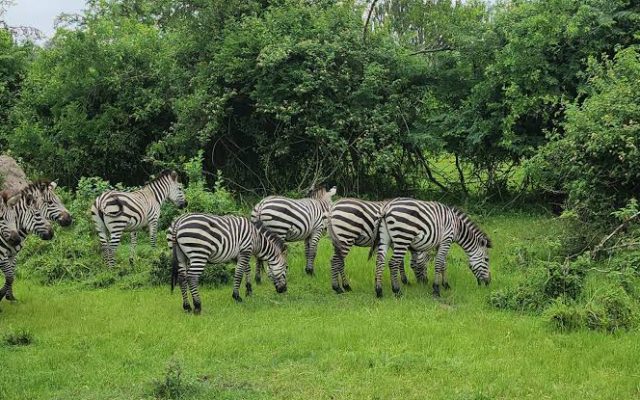
1 Day Lake Mburo Safari
You visit
Uganda Equator, Kayabwe, Lake Mburo, Kampala or Entebbe
This compact 1-day Lake Mburo safari is the closest national-park wildlife experience to Kampala and Entebbe. Lake Mburo is Uganda’s smallest savannah park but one of the most rewarding for a short tr…
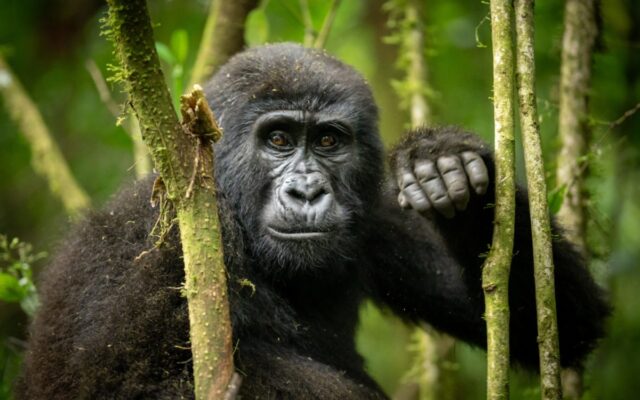
12 Days Uganda Wildlife and Gorillas Safari
You visit
Murchison Falls, Kibale Forest, Queen Elizabeth NP, Bwindi Forest, Lake Mburo, Entebbe
A comprehensive 12-day wildlife and gorillas safari combining Uganda’s northern savannah giants with southwestern primate forests. Murchison Falls delivers elephant, giraffe and the Nile launch; Queen…
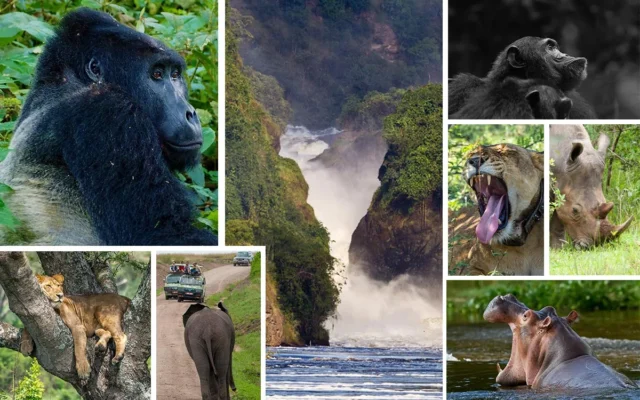
18 Days Uganda Wildlife Safari
You visit
Entebbe (Start, End)
The ultimate 18-day Uganda wildlife safari — every savannah park, both chimp forests, gorillas, and the remote northeast. After Murchison and Kidepo, the route sweeps through Kibale, Queen Elizabeth,…
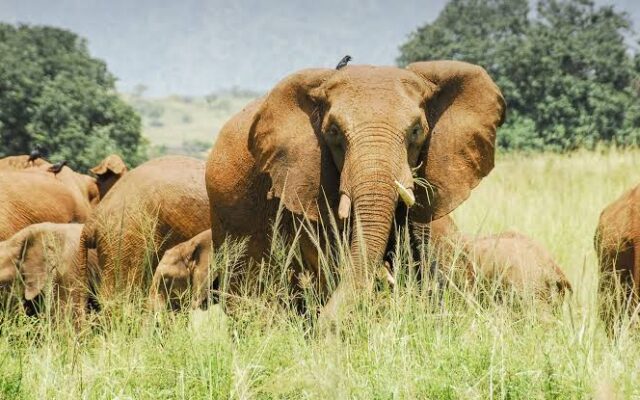
4 Days Kidepo Valley Safari
You visit
Entebbe (Start, End)
Kidepo Valley is Uganda's most remote park — semi-arid savannah against the Morungole Mountains near the South Sudan border. Cheetah, ostrich and large lion prides roam the Narus Valley; the drier Kid…