Best time to see plains zebra — expert Uganda safari guide from local planners who know permits, parks, and realistic routing.
Explore this species across our habitat guide, where to see page, and safari planning resources — plus parks such as Lake Mburo and Kidepo Valley.
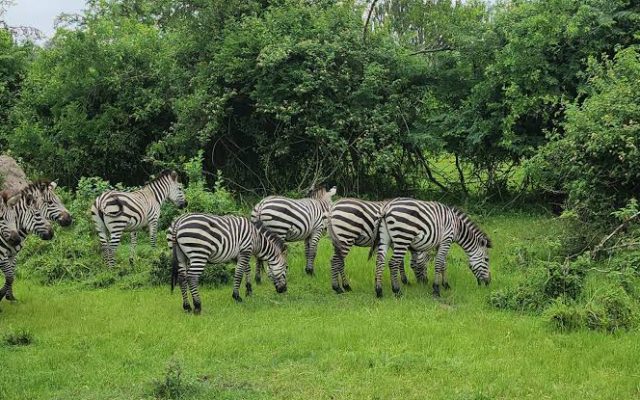
Plains zebras can be seen year-round in Uganda's savannah parks — there is no single month when they disappear. But seasons change grass height, water distribution, herd concentration, foaling activity, and the quality of light on a game drive. Choosing when to travel can mean the difference between scattered sightings and striped herds filling your viewfinder.
This guide explains the best times to see plains zebras in Uganda, month by month considerations, and how dry and wet seasons shape game-drive success.
Year-Round Viewing
Unlike species tied to fruiting trees or river crossings, zebras are resident in Lake Mburo, Kidepo, Queen Elizabeth, and Murchison Falls. Any month offers realistic zebra encounters on game drives. The question is not whether you will see zebras, but how close, how numerous, and in what landscape context.
Dry Seasons: Peak Game Drive Conditions
Uganda's primary dry windows — roughly June to August and December to February — generally deliver the finest zebra viewing for most travellers.
Why Dry Season Works
- Shorter grass makes zebras visible at greater distance
- Herds concentrate near lakes, rivers, and remaining green pockets
- Less road challenge on savannah tracks in many parks
- Predators active near water — zebra behaviour more dramatic
- Clearer skies for dawn and dusk photography
Park Notes
Lake Mburo: Dry months pull herds to lake margins and northern grasslands — often the year's densest gatherings. Morning drives from Rwonyo frequently encounter zebra within minutes.
Kidepo: Narus Valley wildlife compresses toward the river and waterholes. Zebras on open plains against mountains — exceptional for wide-angle photography.
Queen Elizabeth: Ishasha and Kasenyi offer reliable zebra with shorter grass and active lion movement on morning drives.
Murchison: Northern savannah drives benefit from dry-track access and herbivores near Nile-side water.
Wet Seasons: Lush Landscapes and Foals
Rainy periods — broadly March to May and September to November — bring different rewards.
Wet Season Advantages
- Emerald savannah and dramatic cloud skies for photography
- Foaling peaks often align with rain-fed grass quality
- Fewer vehicles in some parks — quieter game drives
- Zebras dispersed but often relaxed, grazing on fresh growth
Wet Season Challenges
- Taller grass can partially hide animals at distance
- Some tracks in softer condition — pacing may slow
- Herds spread across wider habitat — less predictable clustering
- Afternoon showers may interrupt drive schedules
Travellers who prioritise atmosphere and newborn foals over maximum density often love wet-season safari.
Time of Day on Game Drive
Within any season, time of day matters as much as month:
- Dawn (6:00–9:00): Cool temperatures, active grazing, golden side-light on stripes — best photography window
- Midday: Herds often rest in shade; behaviour slower but grooming and foal play visible
- Late afternoon (16:00–18:30): Second feeding peak, warm light, predators stirring — excellent for behaviour
Book at least one dawn drive per park for zebra-focused itineraries.
Monthly Planning Snapshot
- January–February: Dry, hot, strong concentrations — excellent overall
- March–May: Long rains, lush scenery, foals possible, dispersed herds
- June–August: Peak dry season for many travellers — top zebra viewing
- September–November: Short rains, mixed conditions, fewer crowds
- December: Holiday dry window — popular, book lodges early
Photography Timing
Stripes demand good light. Harsh midday sun blows highlights on white bands; dawn and dusk add depth and warmth. Dry-season dust can create atmospheric backlit shots when herds move. After rain, wet coats darken stripes and saturate backgrounds — a different but equally striking palette.
Combining Parks by Season
On multi-park itineraries, dry-season travellers often open with Lake Mburo zebras (guaranteed impact), then north to Murchison or east to Kidepo for landscape variety. Wet-season routes can weight Queen Elizabeth — combining zebra drives with boat cruises when afternoon rain is possible.
Migration Context
Uganda's zebras do not undertake Serengeti-scale migration, but seasonal movement within parks mirrors the dry/wet pattern: contract in drought, expand in rain. Guides anticipate these shifts — share your travel dates when planning safari experiences so drives target the right valleys and lake margins.
Practical Advice
If zebra photography is a trip highlight, prioritise dry-season mornings at Lake Mburo or Kidepo. If you prefer lush landscapes and fewer vehicles, wet season still delivers zebras — with patience and skilled guiding. Travellers on fixed holiday dates should not avoid rainy months; instead, plan longer game-drive windows and flexible afternoon scheduling when showers are possible.
See where to see plains zebras for park-specific game-drive routes and safari experiences to match seasonal timing with the right lodge locations near prime zebra habitat.