Introduction: Uganda Travel Facts
Uganda Travel Facts provide key information every traveler should know before visiting Uganda. From geography and wildlife to culture, climate, and safety, understanding these facts helps you prepare for a smooth and enjoyable safari experience.
Uganda is known as the “Pearl of Africa” due to its incredible biodiversity, friendly people, and diverse landscapes.
General Facts About Uganda
- Official Name: Republic of Uganda
- Capital City: Kampala
- Population: Over 45 million people
- Official Language: English
- Currency: Ugandan Shilling (UGX)
- Location: East Africa
Geography of Uganda
Uganda is a landlocked country located in East Africa, bordered by Kenya, Tanzania, Rwanda, South Sudan, and the Democratic Republic of Congo.
- Home to Lake Victoria (Africa’s largest lake).
- Source of the River Nile in Jinja.
- Diverse landscapes: mountains, forests, savannahs, and lakes.
- Equatorial climate with moderate temperatures.
Climate and Weather
- Two rainy seasons: March–May and September–November.
- Dry seasons: June–August and December–February.
- Temperatures range from 20°C to 30°C in most regions.
Wildlife in Uganda
Uganda is one of Africa’s richest wildlife destinations.
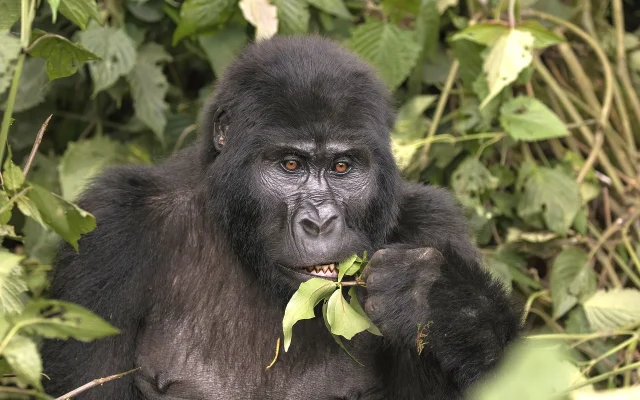
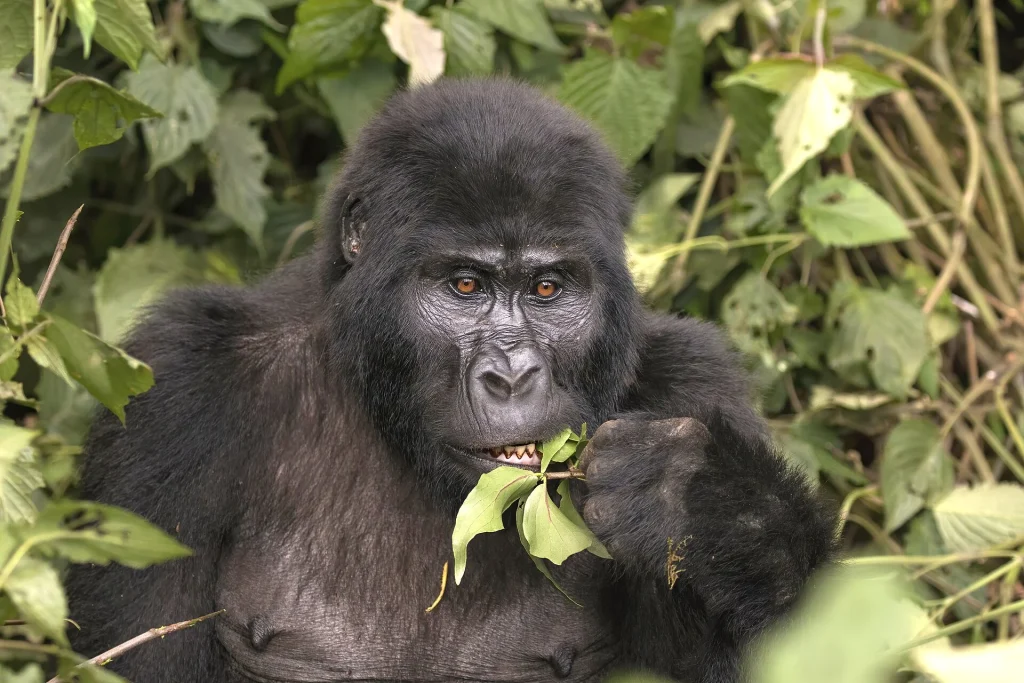
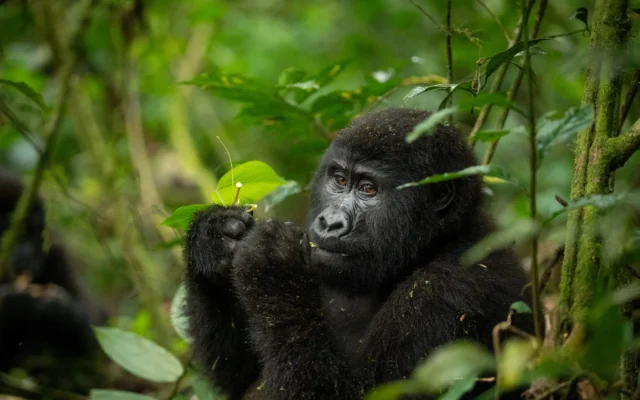
- Mountain gorillas in Bwindi and Mgahinga.
- Chimpanzees in Kibale Forest.
- Over 1,000 bird species.
- Big game in Queen Elizabeth and Murchison Falls National Parks.
Top Tourist Attractions
- Bwindi Impenetrable National Park
- Murchison Falls National Park
- Queen Elizabeth National Park
- Kibale Forest National Park
- Lake Bunyonyi
- Jinja (Source of the Nile)
Cultural Facts
- Uganda has over 50 ethnic groups.
- Rich traditions in music, dance, and storytelling.
- Buganda is the largest traditional kingdom.
- Strong community and family values.
Visa and Entry Requirements
- Most visitors require an e-visa.
- Yellow fever vaccination certificate is mandatory.
- Passport must be valid for at least 6 months.
Safety in Uganda
- Uganda is generally safe for tourists.
- Use registered tour operators for safaris.
- Follow park rules and guide instructions.
- Avoid traveling alone at night in remote areas.
Currency and Payments
- Currency: Ugandan Shilling (UGX).
- US dollars widely accepted in tourism services.
- Mobile money is widely used.
Best Time to Visit Uganda
- June to August (best wildlife viewing).
- December to February (dry and comfortable season).
Transportation in Uganda
- 4×4 safari vehicles recommended for tours.
- Domestic flights available to remote parks.
- Road network connects major tourist destinations.
Unique Facts About Uganda
- Home to half of the world’s remaining mountain gorillas.
- Source of the Nile River begins in Uganda.
- One of the most biodiverse countries in Africa.
- Known for warm hospitality and friendly people.
Frequently Asked Questions
What is Uganda famous for?
Gorilla trekking, wildlife safaris, and the source of the Nile.
Is Uganda safe for tourists?
Yes, with proper planning and guided tours.
What language is spoken in Uganda?
English is the official language.
Do I need a visa to visit Uganda?
Yes, most travelers require an e-visa.
Conclusion
Uganda Travel Facts provide essential insights for anyone planning a visit. With rich wildlife, diverse culture, and welcoming people, Uganda remains one of Africa’s most rewarding travel destinations.
Geography and Biodiversity
Uganda spans the Equator with Lake Victoria to the south, the Albertine Rift to the west, and semi-arid Karamoja to the northeast. Ten national parks protect mountain gorillas, chimps, tree-climbing lions, hippos, and over 1,000 bird species—among Africa’s highest country totals.
People and Languages
About 45 million residents across 50+ ethnic groups; English and Swahili are official languages with Luganda widely spoken in the central region. Kampala is the capital; Entebbe hosts the international airport 40 km away.
Practical Travel Facts
Currency: Ugandan shilling (UGX); USD widely accepted for visas and safaris. Time zone: East Africa Time (UTC+3), no daylight saving. Driving is left-hand. Tourism peaks June–August and December–February. Dig deeper via travel guide, culture, and weather.
Economy and Tourism
Tourism employs guides, porters, lodge staff, and community associations nationwide—your permit and park fees fund conservation alongside private sector wages.
UNESCO and Conservation
Bwindi Impenetrable Forest and Rwenzori Mountains carry UNESCO World Heritage status. Uganda hosts half the world’s mountain gorillas—tourism revenue funds anti-poaching and community revenue-sharing schemes mandated by law.
History Snapshot
Uganda gained independence in 1962; kingdoms like Buganda retain cultural influence. Stability returned after 1980s conflict—today’s tourism infrastructure rebuilt over three decades with growing conservation success stories.
Lake Victoria fisheries and Nile hydropower shape rural economies alongside tourism—understanding this context enriches village conversations beyond wildlife talk alone.
Planning Your Next Steps
Uganda rewards travelers who book permits early, pack for equatorial weather swings, and choose realistic drive times between parks. Cross-check this guide with our Uganda travel guide, safari planning workflow, and travel tips before you confirm flights. Gorilla and chimp dates should anchor your calendar; everything else—lodges, vehicles, cultural stops—fits around those fixed permit mornings.
Licensed operators provide itemised quotes separating park fees, permits, and lodging so you compare offers fairly. Shoulder seasons often deliver excellent wildlife with fewer vehicles on savannah tracks and more permit flexibility in the forest. Travel insurance, yellow fever documentation, and a working local SIM remain essentials regardless of month or budget tier.
 Read
Read