

Dry & green
Safari seasons
12
Months covered
Gorillas
Year-round trekking
10+
Park weather guides
The best time to visit Uganda depends on the activities you wish to enjoy, the destinations you plan to visit, your travel style, budget, and wildlife interests. Often referred to as the Pearl of Africa, Uganda is one of the most diverse travel destinations on the continent, offering mountain gorilla trekking, chimpanzee tracking, wildlife safaris, birdwatching, cultural tourism, hiking adventures, boat cruises, photography expeditions, and luxury safari experiences throughout the year.
Unlike many African safari destinations that are heavily dependent on seasonal migrations or extreme weather conditions, Uganda remains a year-round destination. Its equatorial location, combined with high elevations and diverse landscapes, creates relatively moderate temperatures throughout the year. This means visitors can enjoy unforgettable experiences in every season, although certain periods are better suited to specific activities.
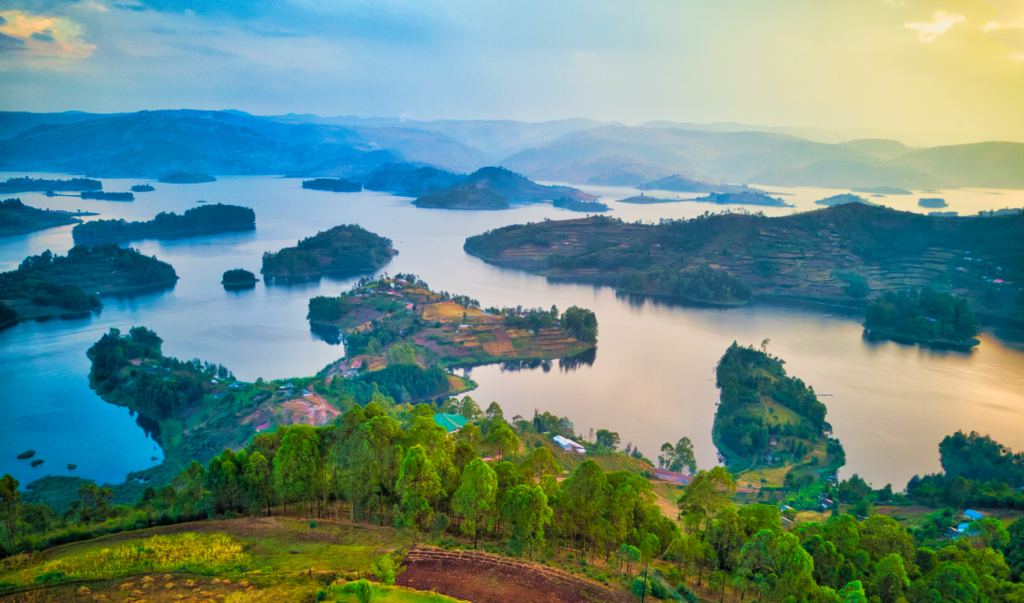
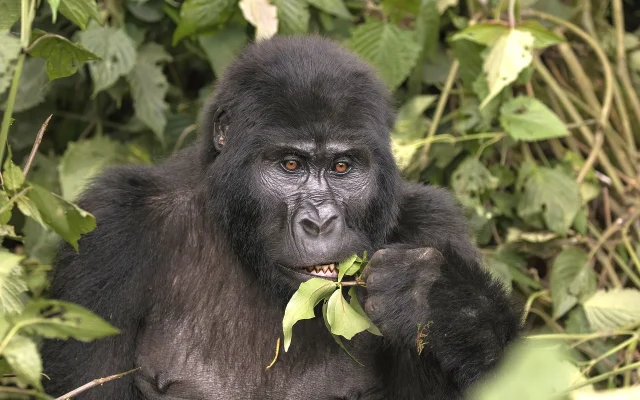
Uganda is home to the world-famous mountain gorillas of Bwindi Impenetrable National Park, the chimpanzees of Kibale Forest National Park, the wildlife-rich savannahs of Murchison Falls National Park, the tree-climbing lions of Queen Elizabeth National Park, the wilderness of Kidepo Valley National Park, the scenic beauty of Lake Bunyonyi, the hiking trails of Mount Elgon and the Rwenzori Mountains, and over 1,090 bird species spread across forests, wetlands, lakes, and grasslands.
Because different regions experience slightly different weather patterns, understanding Uganda’s seasons can help travelers maximize their safari experience and choose the most suitable time to visit.
Why Uganda is a Year-Round Destination
One of Uganda’s greatest advantages is that tourism activities are available throughout the year. Mountain gorillas can be tracked every month, wildlife safaris operate continuously, birdwatching remains productive year-round, and cultural experiences can be enjoyed regardless of season.
Uganda’s climate is generally mild compared to many equatorial countries because much of the country lies at relatively high elevations. Daytime temperatures typically range between 22°C and 30°C, depending on location and altitude.
Travelers can therefore plan Uganda safaris based on their preferred activities rather than being restricted to a narrow tourism season.
Understanding Uganda’s Climate
To understand the best time to visit Uganda, it is important to understand the country’s seasonal weather patterns.
Uganda experiences four primary seasons:
- Major Dry Season: June to August
- Short Dry Season: December to February
- Long Rainy Season: March to May
- Short Rainy Season: September to November
Rainfall patterns vary by region, but these seasonal divisions generally apply across much of the country.
Because Uganda contains mountains, forests, wetlands, and savannah ecosystems, local conditions can differ significantly from one destination to another.
Best Time to Visit Uganda During the Dry Seasons
June to August
The period from June through August is widely regarded as one of the best times to visit Uganda. This is the peak tourism season because weather conditions are generally favorable for a wide range of activities.
Advantages include:
- Excellent wildlife viewing.
- Good gorilla trekking conditions.
- Comfortable chimpanzee tracking.
- Clear hiking trails.
- Improved road conditions.
- Excellent photography opportunities.
- Reliable travel logistics.
This period is ideal for travelers planning comprehensive Uganda itineraries that combine wildlife, gorillas, culture, and adventure.
December to February
The second dry season is equally popular and offers similar benefits. Many visitors choose this period because it coincides with international holidays and winter travel periods.
Wildlife viewing remains excellent, trekking conditions are favorable, and scenic visibility is often outstanding.
Because demand is high, travelers should book permits and accommodation well in advance.
Visiting Uganda During the Rainy Seasons
The rainy seasons from March to May and September to November offer a different but equally rewarding perspective on Uganda.
Advantages of rainy-season travel include:
- Fewer tourists.
- Lower accommodation rates.
- Lush green landscapes.
- Excellent birdwatching.
- Beautiful photography conditions.
- Greater permit availability.
Although some roads may become muddy and hiking trails more challenging, many experienced travelers specifically choose these periods because of the reduced crowds and spectacular scenery.
Best Time for Gorilla Trekking in Uganda
Mountain gorilla trekking is Uganda’s most famous tourism activity. The experience takes place in Bwindi Impenetrable National Park and Mgahinga Gorilla National Park.
While gorilla trekking operates year-round, the dry seasons from June to August and December to February generally provide easier hiking conditions.
Benefits of dry-season gorilla trekking include:
- Less muddy trails.
- Easier forest navigation.
- More comfortable trekking.
- Excellent photography opportunities.
However, gorillas can be successfully tracked throughout the year.
Related Internal Link: Best Time for Gorilla Trekking in Uganda
Best Time for Wildlife Safaris in Uganda
Wildlife safaris are possible throughout the year because Uganda’s animal populations are largely resident rather than migratory.
The dry seasons generally provide the best wildlife visibility because vegetation becomes less dense and animals gather near water sources.
Top safari destinations include:
- Murchison Falls National Park.
- Queen Elizabeth National Park.
- Kidepo Valley National Park.
- Lake Mburo National Park.
- Pian Upe Wildlife Reserve.
Related Internal Link: Best Time for Wildlife Safaris in Uganda
Best Time for Chimpanzee Tracking
Chimpanzee tracking is another highlight of Uganda tourism. The most popular destination is Kibale Forest National Park, which supports one of Africa’s highest densities of chimpanzees.
Dry-season tracking is generally easier because trails remain less muddy. However, chimpanzees can be tracked successfully year-round.
Other chimpanzee destinations include:
- Budongo Forest.
- Kyambura Gorge.
- Kalinzu Forest.
Related Internal Link: Best Time for Chimpanzee Trekking in Uganda
Best Time for Birdwatching in Uganda
Uganda is one of Africa’s premier birding destinations with over 1,090 recorded bird species.
Birdwatching is productive throughout the year, but many birders prefer the rainy seasons because:
- Migratory birds are present.
- Breeding activity increases.
- Birds display breeding plumage.
- Wetland habitats become more active.
Top birding destinations include Mabamba Swamp, Bwindi, Kibale Forest, Murchison Falls, Queen Elizabeth, and Semuliki National Park.
Related Internal Link: Best Time for Birding in Uganda
Best Time for Shoebill Tracking
The Shoebill is one of Uganda’s most sought-after birds. Tracking opportunities are available year-round, particularly at:
- Mabamba Swamp.
- Murchison Falls Delta.
- Ziwa Rhino Sanctuary.
Dry seasons generally provide easier viewing and photography conditions.
Related Internal Link: Best Time for Shoebill Tracking
Best Time for Cultural Tours
Uganda’s cultural diversity is one of its greatest attractions. Visitors can explore traditional kingdoms, pastoral communities, indigenous forest cultures, music, dance, cuisine, and historical sites.
Dry seasons generally provide the most comfortable conditions for community visits and outdoor cultural activities.
Popular cultural experiences include:
- Batwa Cultural Experience.
- Karimojong Cultural Tours.
- Buganda Heritage Tours.
- Ankole Cultural Experiences.
- Community Tourism Projects.
Related Internal Links:
- Best Time for Cultural Tours in Uganda
- Best Time for Cultural Tours Uganda
Best Time for Hiking and Mountain Climbing
Uganda offers exceptional hiking opportunities ranging from nature walks to major mountain expeditions.
Major hiking destinations include:
- Rwenzori Mountains.
- Mount Elgon.
- Sipi Falls.
- Virunga Volcanoes.
- Lake Bunyonyi Hills.
- Fort Portal Crater Lakes.
The dry seasons generally provide the safest and most comfortable hiking conditions.
Related Internal Links:
- Best Time for Hiking in Uganda
- Best Time for Mount Elgon Hiking
- Best Time for Rwenzori Trekking
- Best Time for Sipi Falls Tours
Best Time for Boat Safaris
Boat safaris provide a unique perspective on Uganda’s wildlife and landscapes.
Popular boat safari destinations include:
- Murchison Falls National Park.
- Kazinga Channel.
- Lake Mburo.
- Lake Victoria.
- Nile Delta.
Boat safaris can be enjoyed throughout the year, although dry seasons often provide calmer conditions and excellent wildlife visibility.
Related Internal Link: Best Time for Boat Safaris in Uganda
Best Time for Hot Air Balloon Safaris
Hot air balloon safaris are primarily conducted in Murchison Falls National Park.
The dry seasons provide:
- Better visibility.
- Stable weather conditions.
- Excellent wildlife viewing.
- Outstanding photography opportunities.
Related Internal Link: Best Time for Hot Air Balloon Safaris Uganda
Best Time for Walking Safaris
Walking safaris offer a unique opportunity to explore Uganda’s wilderness on foot.
Top walking safari destinations include:
- Lake Mburo National Park.
- Ziwa Rhino Sanctuary.
- Kidepo Valley National Park.
- Kibale Forest.
- Bwindi Impenetrable National Park.
The dry seasons generally provide the best walking conditions.
Related Internal Link: Best Time for Walking Safaris Uganda
Month-by-Month Guide: Best Time to Visit Uganda
| Month | Overall Travel Conditions |
|---|---|
| January | Excellent |
| February | Excellent |
| March | Very Good |
| April | Good |
| May | Good |
| June | Excellent |
| July | Excellent |
| August | Excellent |
| September | Very Good |
| October | Very Good |
| November | Very Good |
| December | Excellent |
Dry Season vs Rainy Season Travel
| Factor | Dry Season | Rainy Season |
|---|---|---|
| Wildlife Viewing | Excellent | Very Good |
| Gorilla Trekking | Excellent | Good |
| Birdwatching | Very Good | Excellent |
| Photography | Excellent | Very Good |
| Road Conditions | Excellent | Variable |
| Crowds | Higher | Lower |
| Accommodation Rates | Higher | Often Lower |
| Landscape Beauty | Very Good | Excellent |
Frequently Asked Questions About Visiting Uganda
What is the absolute best month to visit Uganda?
July and August are often considered the best months because they provide excellent conditions for gorilla trekking, wildlife safaris, hiking, and photography.
Can Uganda be visited year-round?
Yes. Uganda is a year-round destination with tourism activities available in every season.
When is the cheapest time to visit Uganda?
The rainy seasons often offer lower accommodation rates and greater availability.
When should I book gorilla permits?
For peak seasons, permits should ideally be booked six to twelve months in advance.
Conclusion
The best time to visit Uganda depends on your travel goals, but the dry seasons from June to August and December to February generally provide the most favorable conditions for wildlife safaris, gorilla trekking, chimpanzee tracking, hiking, cultural tours, and photography.
However, Uganda remains one of Africa’s few truly year-round destinations. Whether you visit during the lush green rainy seasons or the popular dry months, you will discover extraordinary wildlife, spectacular landscapes, welcoming people, rich cultural heritage, and unforgettable adventures. From the mountain gorillas of Bwindi to the wildlife of Murchison Falls and the peaks of the Rwenzori Mountains, Uganda offers experiences that rival any destination on the continent.
 Read
Read